
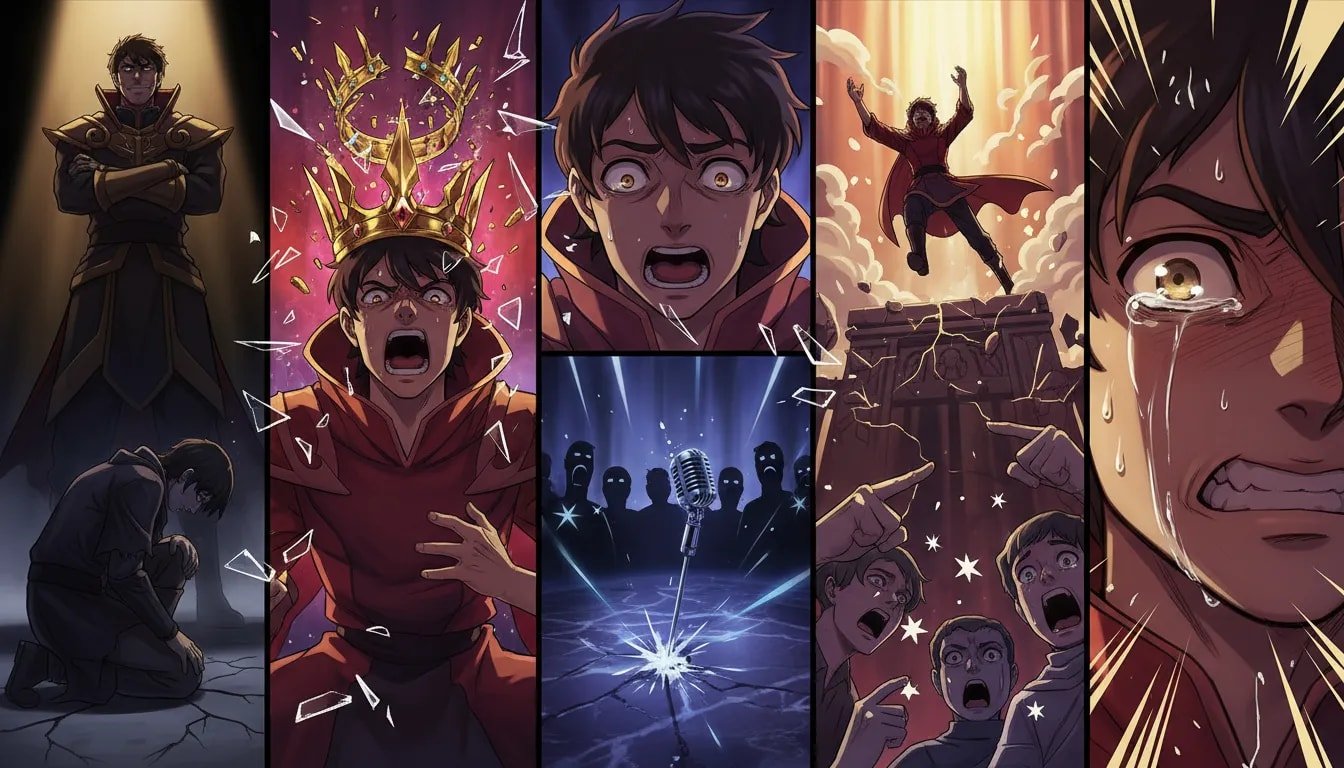
I collect and analyze the most outrageous DISRESPECTFUL MOMENTS IN ANIME to explain what makes them land so hard, why fans react the way they do, and how writers and animators craft scenes that sting. If you want a concise, critical look at five standout moments and practical insight into their design and impact, this is the guide I use when I break scenes down.
What counts as a “disrespectful moment” in anime?
A disrespectful moment is a beat where a character is publicly humiliated, dismantled, or subverted in a way that feels personal and intentional. These moments usually combine strong animation, timing, sound design, and a reversal of expectations. When done well they shock, amuse, or provoke; when done poorly they can feel mean-spirited.
Below I list five signature DISRESPECTFUL MOMENTS IN ANIME, explain why each works, and highlight the storytelling and technical choices that make the humiliation memorable.
1. Osaragi’s shrine humiliation and brutal takedown

Why it stands out: The scene flips a ritual setting into a personal execution of dominance. The antagonist arrives expecting a hit, but the protagonist uses ritual gestures and deadpan behavior to humiliate before delivering decisive violence. The contrast between the sacred setting and the brutal outcome heightens the shock.
Key elements that work:
- Contrast of tone: calm, almost ceremonial behavior before the strike makes the violence feel colder.
- Prop-driven choreography: using everyday objects as defenses and weapons sells resourcefulness and contempt.
- Escalation: a teasing sequence followed by an irreversible finish seals the humiliation.
2. Nagumo’s psychological teardown and final flourish
Why it stands out: The scene mixes mind games with physical spectacle. Instead of a straight punchfest, the antagonist toys with an opponent—digging through a phone, creating illusions, and forcing a choice that leads to a gruesome finale. The disrespect comes from the theatricality and the opponent’s helplessness.
Key elements that work:
- Psychological one-upmanship: embarrassing an opponent by exposing private information or insecurities.
- Unexpected tools: using bizarre weapons or tricks keeps the audience off-balance and heightens the sting.
- Varied pacing: comedic taunt moments followed by brutal payoff create emotional whiplash.
3. Chisu’s single blow that obliterates pride
Why it stands out: A single, perfectly timed strike that not only defeats a foe but also strips them of dignity—literally and figuratively—becomes a viral image. The moment’s disrespect is amplified by the aftermath: stunned reactions, lingering embarrassment, and the visible physicality of the hit.
Key elements that work:
- Timing and anticipation: building tension before a clean, decisive move maximizes impact.
- Visual payoff: animation exaggeration (how far the body flies, torn clothing) sells the moment.
- Social consequence: the character’s public shaming makes the beat feel more meaningful to the world of the story.
4. Precise humiliation before the fight: calling ambulances in advance
Why it stands out: This is disrespect delivered as a confident prelude. Calling for multiple ambulances before engaging means the fighter is so sure of the outcome that they choreograph the aftermath. The insult is not just violence but the pure swagger and planning behind it.
Key elements that work:
- Confidence as insult: swagger and premeditation can be as humiliating as the fight itself.
- Audio cues: a snarky line, a ringing phone, or a calm voice delivering a threat increases the theatricality.
- Group dynamics: turning a would-be ambush into a solo showcase magnifies the humiliation.
5. A hero publicly exposed and dominated (Korra vs. Kuvira sequence)
Why it stands out: Publicly besting a central hero strips away legacy and reputation, which is deeply destabilizing for fans. The opponent’s mastery of counters and mix-ups makes the hero look incompetent, and the crowd’s reaction compounds the shame. The emotional layer—trauma or hesitation—adds dramatic teeth.
Key elements that work:
- Professional dismantling: showing technique and variety in counters makes the domination feel earned.
- Emotional vulnerability: the hero’s struggle or PTSD elevates the scene from spectacle to tragic.
- Stakes in public: the humiliation is amplified when an audience witnesses it, altering the hero’s social standing.
How creators design effective DISRESPECTFUL MOMENTS IN ANIME
- Set a clear emotional baseline so the reversal is meaningful. Calm scenes make the blow colder; celebratory scenes make the fall harsher.
- Use props and environment to reinforce humiliation—objects that symbolize status being broken carries symbolic weight.
- Vary pacing between taunts, setbacks, and payoff to create tension and release.
- Lean on sound design and silence; a single well-placed beat or line of dialogue lands harder than continuous shouting.
- Respect character logic: a humiliating beat should feel consistent with the characters to avoid cheapness.
Common mistakes and pitfalls
- Mean-spirited execution: humiliation that serves no narrative purpose feels cruel rather than compelling.
- Overuse: constant public shaming desensitizes the audience and reduces emotional stakes.
- Cultural misreading: what reads as comedic disrespect in one culture may be deeply offensive in another; context matters.
- Lack of consequence: humiliation with no follow-up reduces believability and character growth.
People also ask — quick answers
- Are disrespectful moments common in anime? They appear regularly because they produce strong emotional reactions, but their frequency depends on tone—comedies use them differently than dramas.
- Do these scenes hurt character arcs? Not necessarily. When used responsibly, humiliation can catalyze growth, reveal weakness, or deepen a villain’s menace.
- How can I find more examples? Search for fight breakdowns, scene analyses, and curated lists focused on memorable reversals and public humblings.
How to discuss these scenes responsibly
I recommend keeping commentary focused on craft rather than cruelty. Ask whether the beat advances plot or theme, examine the animation and sound, and consider alternatives the creators could have taken. Avoid mockery that targets real-world identity or trauma.
Takeaway
DISRESPECTFUL MOMENTS IN ANIME are powerful when they combine technical skill with narrative purpose. They work best when the humiliation reveals something about the characters or raises stakes rather than serving only as a cheap laugh. When I analyze or recommend scenes, I look for contrast, pacing, and consequence—those are the design choices that turn an insult into an unforgettable moment.