Is Pokemon better than Animal Crossing? That question has been bouncing around every gaming corner since Nintendo announced that Pokémon Pokopia sold 2.2 million copies in its first four days. For me, the answer is not a straight yes or no. Instead, Pokopia proves that the strengths of both franchises can be combined into something new and deeply satisfying. It gives collectors the joy of discovering creatures while delivering the cozy life-sim comforts Animal Crossing players love.
What Pokopia got right
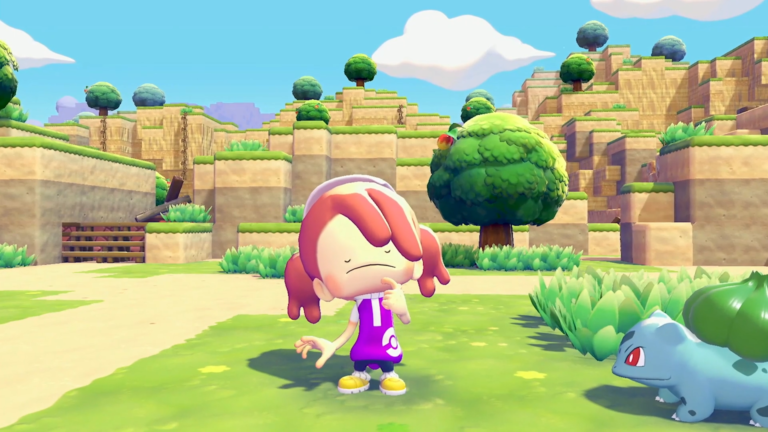
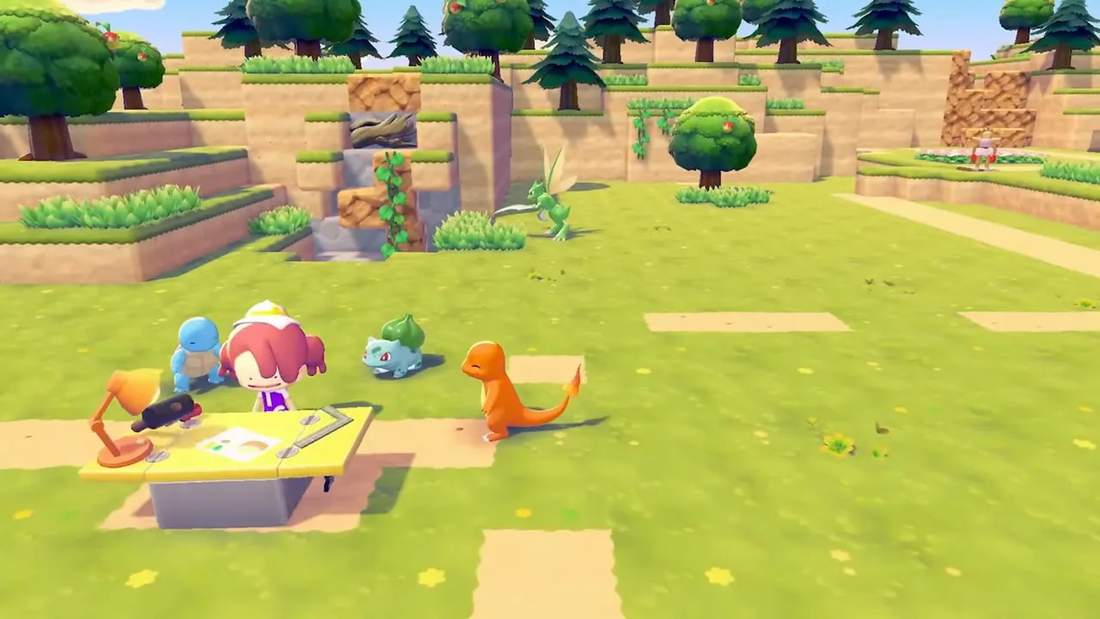
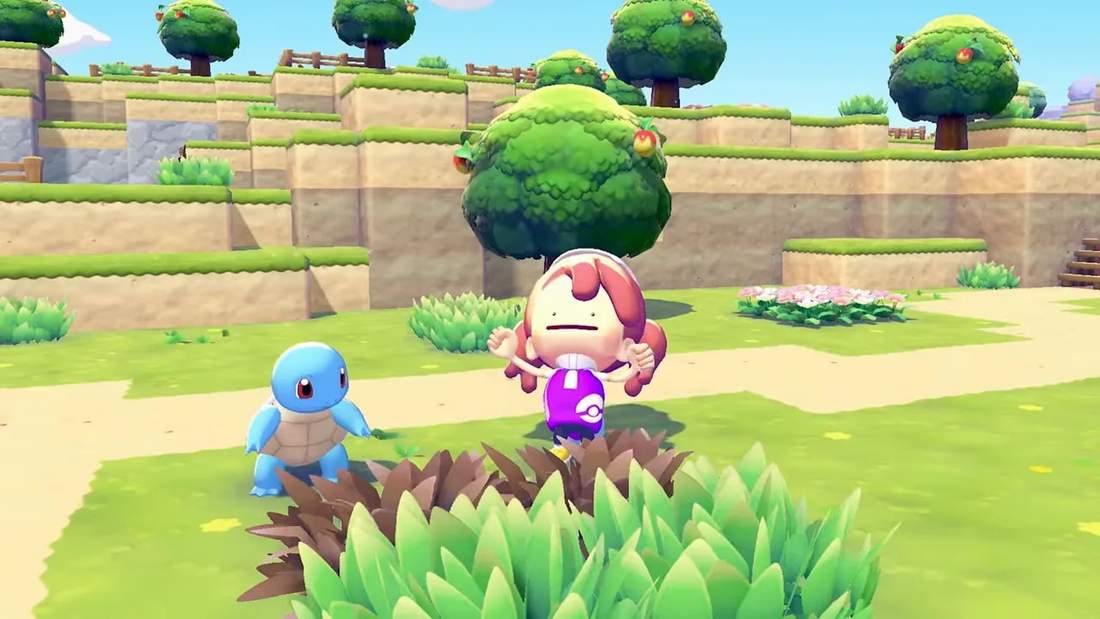
At its core, Pokopia is a Pokémon collecting life simulator. But the way it places collecting and companionship ahead of strict combat progression makes it feel like the cozy game many of us have been waiting for. Instead of chasing gym badges or optimizing competitive teams, you build habitats, tend crops, decorate, learn skills, and genuinely get to know the Pokémon that live on your island.
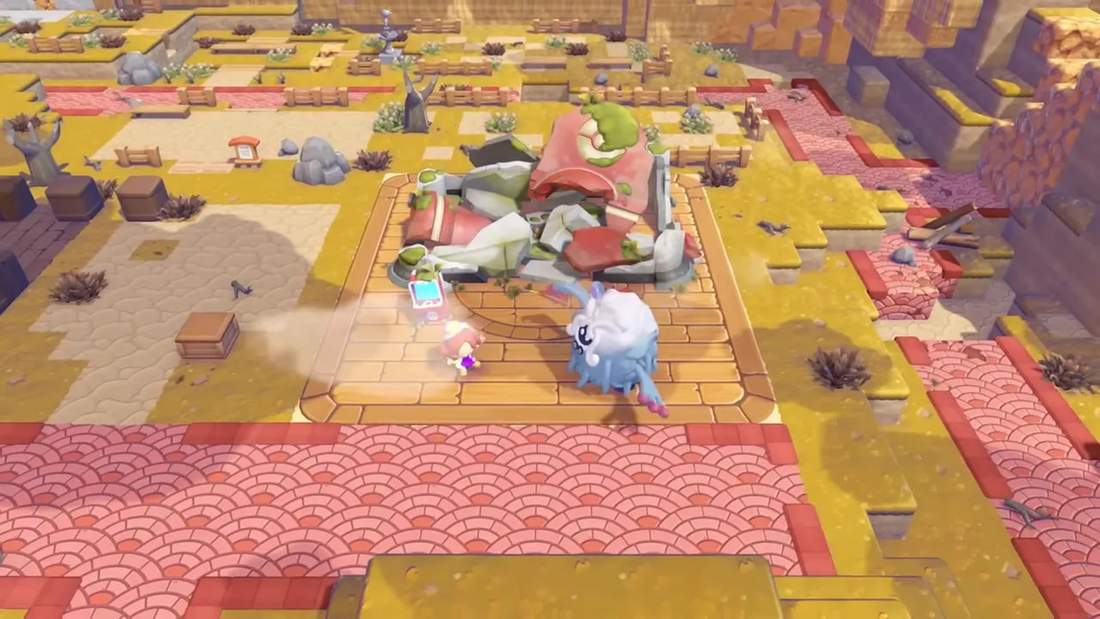
Pokopia nails three things that Animal Crossing fans and Pokémon collectors have been missing: a sense of purpose beyond pure decoration, deeper systems that feel meaningful, and an option for slower, more deliberate play. Every day brings quests, crops to tend, and new areas to uncover. Rooms and zones unlock gradually, so exploration never feels finished.
How it blends the best parts of both franchises
People often ask, “Is Pokemon better than Animal Crossing?” That framing misses the point a little. Pokopia doesn’t try to replace either game. It borrows Animal Crossing’s cozy pace and social features, then adds Pokémon’s world-building and creature variety. The result is a hybrid that feels more alive than either could alone.
- Creature companionship: Pokémon in Pokopia feel like pets and friends rather than battle tools.
- Meaningful progression: Skills, habitat upgrades, and collectible furniture matter to the way your island functions.
- Social play: Optional multiplayer lets you visit and share islands, bringing community into a calming loop.
Why the community is obsessed
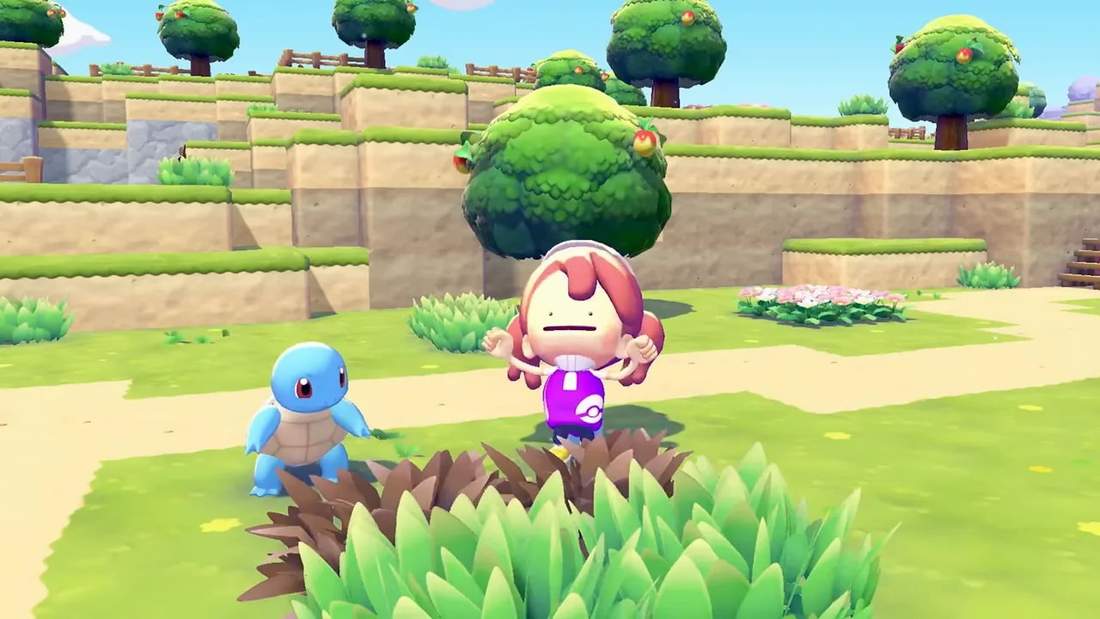
The internet has exploded with pictures of cozy islands, cute builds, and tiny Pokémon families. The reaction is wholesome because Pokopia scratches a very specific itch: the desire to create a home for the creatures you love. People who loved both Pokémon and Animal Crossing suddenly have a reason to merge those hobbies into one experience.
That said, the obsession isn’t just nostalgia. Pokopia fixes many of the pain points players have had with Animal Crossing. It gives you more things to do outside of decoration. It gives deeper systems that reward long-term play. It removes the rush to “finish” and encourages you to build a world you want to live in.
Gameplay loops that keep you coming back
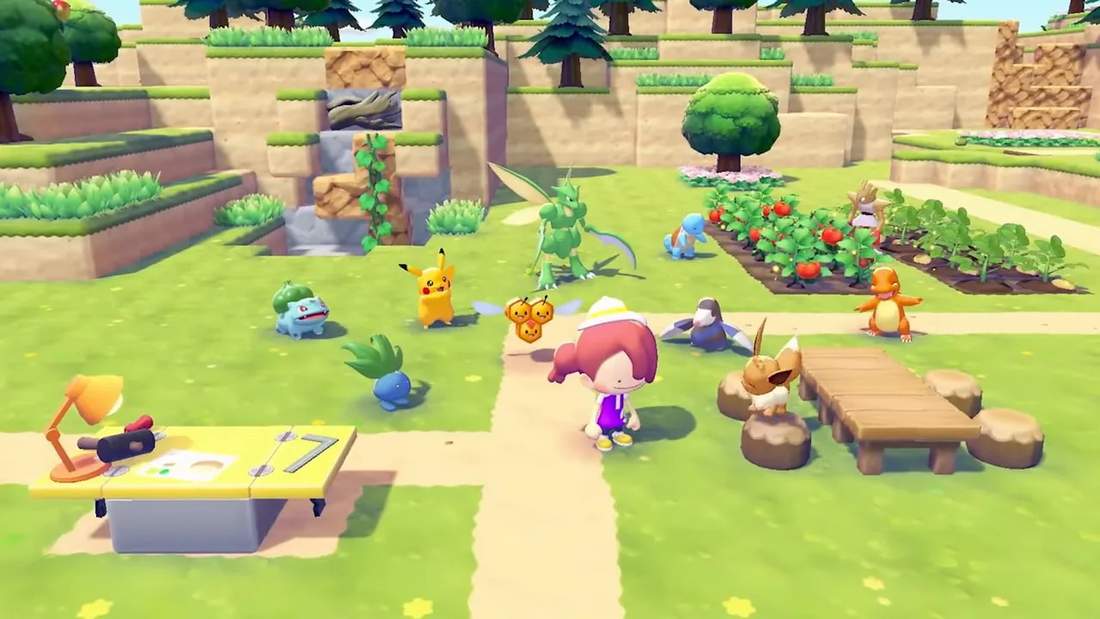
Pokopia combines daily rhythms with larger exploration goals. Here’s the loop that makes the game feel huge and never done:
- Daily quests and chores like tending crops and training skills.
- Collecting Pokémon and furniture, each with thematic aesthetic value.
- Unlocking new areas that lead to more secrets and new build options.
Because new areas appear just when you think you have everything, the world never feels complete. That sense of ongoing discovery makes it easier to slow down and enjoy the process.
Collection without the pressure
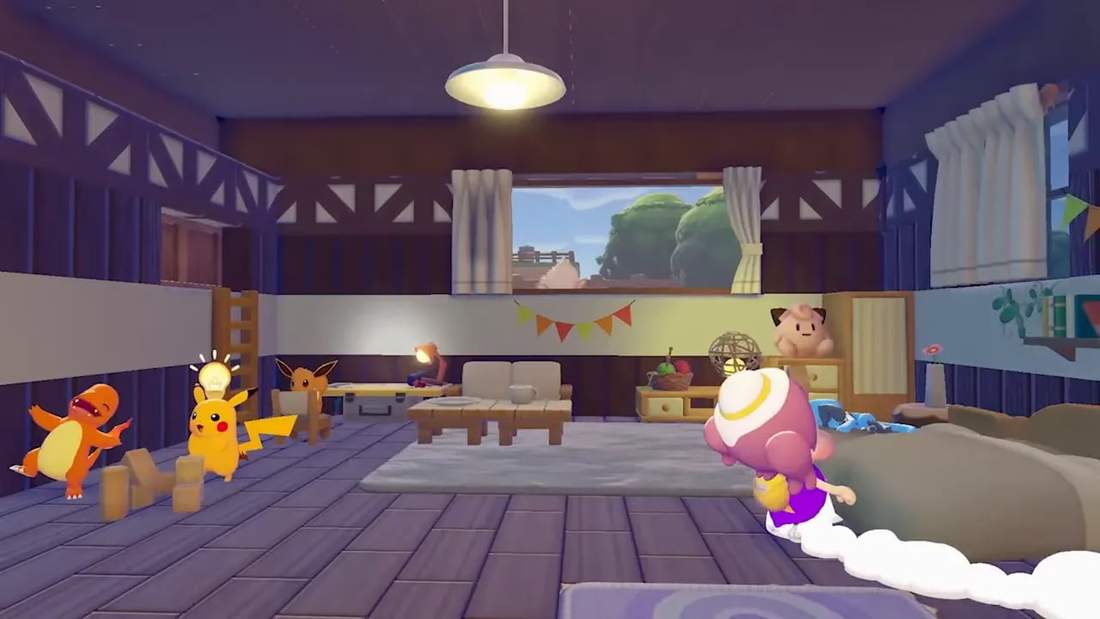
One of the biggest shifts is how Pokopia reframes the Pokémon themselves. Instead of being trophies for competitive play, they become companions. You bond with them, decorate habitats suited to their personalities, and care for them the way you would a pet. That change alone is huge for players who love Pokémon but prefer a calmer experience.
This is where the question “Is Pokemon better than Animal Crossing” starts to have nuance. If you measure “better” by how relaxed, social, and creative an experience is, Pokopia might be closer to that ideal than either original franchise on its own. If you measure “better” by competitive gameplay and structured progression, classic Pokémon still holds its ground.
Multiplayer: optional but powerful
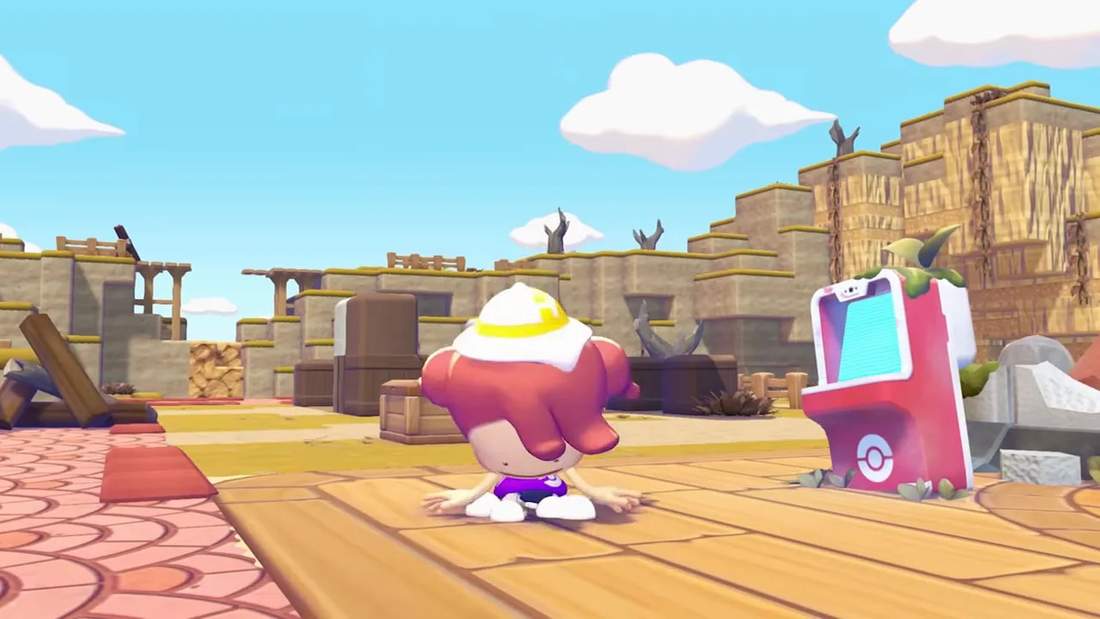
Pokopia includes multiplayer features that let players visit each other’s islands. Those visits feel like the best parts of Animal Crossing: showing off your creations, borrowing ideas, and spending time in a shared cozy space. The multiplayer is entirely optional, which is smart design. If you want to play solo and sink into personal projects, you can. If you want community and collaboration, that option is there.
The social aspect turns single-player relaxation into a small, meaningful social fabric. It gives the game longevity and a reason to keep crafting spaces that others will want to see.
Design lessons Pokopia teaches both communities
From my perspective, Pokopia shows how to blend systems from different genres while keeping a cohesive tone. These lessons are helpful whether you make games or just love playing them:
- Center the loop on emotion: Make systems that provoke attachment, not just optimization.
- Give purposeful constraints: Depth beats endless options. Meaningful systems make choices matter.
- Offer scalable social features: Allow players to opt into community elements without forcing them.
These are the kind of design choices that make players feel invested in their islands and their Pokémon families.
Practical tips for new Pokopia players
If you’ve just joined Popia Island, here are a few tips that helped me enjoy the game more:
- Prioritize habitats: Build themed areas for the Pokémon you love. It makes the island feel lived in.
- Keep a slow pace: There is no need to rush. Many rewards come from consistent daily play and exploration.
- Visit friends: Even if you prefer single-player, a quick visit can spark fresh ideas.
- Collect furniture thoughtfully: Choose decorations that tell a story rather than hoarding everything.
Will the hype last?
The big question: will Pokopia become a long-term staple or fade after the initial rush? I think its chances are good. The combination of deep collecting systems, daily routines, and social features creates reasons to come back beyond novelty. If the developers continue adding meaningful content and quality-of-life improvements, Pokopia could easily sustain a dedicated community.
The challenge will be maintaining momentum without diluting what makes the game cozy and intimate. If updates focus on new areas, meaningful Pokémon interactions, and community tools, I expect players will still be invested a year from now.
So, is Pokemon better than Animal Crossing now?
I keep coming back to that phrase, “Is Pokemon better than Animal Crossing.” The best answer I can give is this: Pokopia is not strictly better in an absolute sense. It is better for a certain kind of player — the one who wants creature companionship, cozy world-building, and optional social interaction. For those players, Pokopia is the perfect synthesis of both games.
If you crave competitive depth and classic Pokémon structure, Animal Crossing will not replace that. If you loved Animal Crossing for its social rituals and decoration-first gameplay, Pokopia will feel familiar but enriched by the emotional heft of caring for Pokémon.
Final thoughts
I’ve always adored the Pokémon themselves, even when the mainline games’ pace didn’t suit me. Pokopia solves that by letting the creatures be companions in a world you can shape and inhabit. It brings together two passionate fan communities and gives them a space to create, bond, and share.
So when someone asks, “Is Pokemon better than Animal Crossing,” I think it’s more useful to ask: which elements of each game do you want most? Pokopia answers that by offering both sets of elements in a single, surprisingly deep package.
FAQ
Is Pokemon better than Animal Crossing for casual players?
For casual players who enjoy decorating, slow progression, and creature companionship, Pokopia often feels better. It reduces competitive pressure and provides relaxing daily activities while still rewarding exploration and collection.
Does Pokopia replace Animal Crossing?
No. Pokopia complements Animal Crossing by adding creature-based systems and deeper progression, but Animal Crossing still offers unique social rituals and a distinct aesthetic that many players prefer.
Can you play Pokopia solo or is multiplayer required?
Multiplayer is entirely optional. The game supports solo play fully, but visiting friends is a great way to share ideas and see creative island builds.
Will Pokopia have long-term updates?
The game launched strong, and its staying power depends on future content updates. If developers add meaningful areas, Pokémon, and social features, the community will likely stay active for years.
Where should I start building on my island?
Start with a few themed habitats for your favorite Pokémon. Create a small daily routine like tending crops and crafting furniture. Let new areas unlock naturally instead of rushing to complete everything.
Is Pokemon better than Animal Crossing for collectors?
Collectors who love both furniture and creatures will find Pokopia especially rewarding. It gives collectible items purpose through habitat design and daily systems that celebrate accumulation without feeling grindy.
If you want to discuss whether “Is Pokemon better than Animal Crossing” applies to your playstyle, consider what you enjoy most: competitive challenge or cozy companionship. Pokopia gives a compelling answer to both sets of desires by offering a calming, creature-filled world that encourages creativity over speed.