If you’re looking for 15 perfect RPGs games in 2026, here’s the bar I use in my head: an RPG should earn the time you spend in it. Not just “it’s good for the genre” or “it has a lot of content,” but actually feels worth it hour after hour.
RPGs demand serious time. Forty hours minimum is a fair baseline, and some of these are a lot more than that. A perfect RPG does something specific: it makes you want to keep going, and it never stops delivering the reasons you play RPGs in the first place. That can be world building, writing, choice, combat feel, characters, or the simple magic of getting lost somewhere you did not plan to go.
Below are 15 perfect RPGs games in 2026 that hit that standard for me. I’m treating this like a “do I recommend it, fully and confidently” list, not a “top 15 by popularity” list. Some are mainstream masterpieces. Some are cult classics. All of them are the kind of games that stick with you.
What “perfect RPG” actually means to me
Before the list, I want to explain the lens, because it changes what ends up on it.
- Meaningful progression: the game’s systems push you forward in a way that makes your build, your choices, or your knowledge matter.
- World and story that respect your curiosity: if you wander, read, experiment, or talk, the game rewards you.
- Choices with consequences: not just branching dialogue for flavor, but decisions that shape outcomes and relationships.
- Character depth: companions and party members should feel like people, not just stat sticks.
- Momentum: even when a game is slower, it should never feel like the experience is stalling out.
With that in mind, here are the RPGs that I’d happily recommend to someone who wants to lose themselves for weeks.
1) Mass Effect Legendary Edition (Mass Effect trilogy)
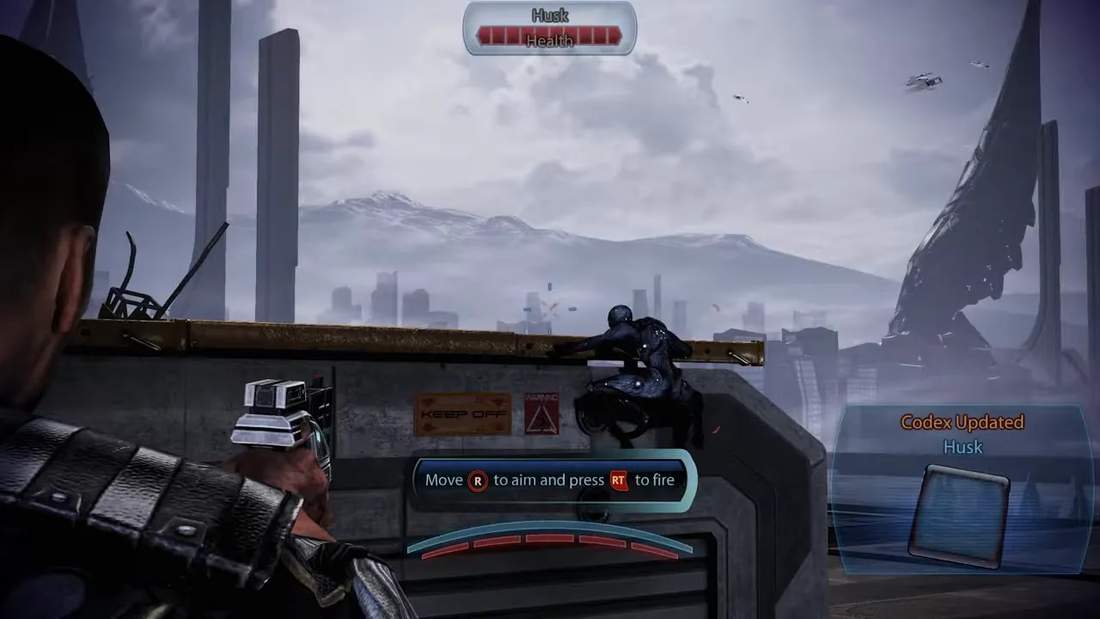
Mass Effect is one of those franchises that defined what “modern RPG” could feel like in a narrative-driven, choice-based way. The original Mass Effect released in November 2007 on Xbox 360, and even with the combat feeling dated now, the structure is still brilliant.
You play Commander Shepard, investigating a rogue spectre named Saren, whose work ties into the Reapers. These ancient machines wipe out all organic life every 50,000 years, and the writing sells the scale of that threat immediately.
The dialogue wheel was a real turning point. Instead of reading a long string of options that all sound like variations of “say something polite,” you see the emotional tone you’re selecting. That makes role-playing feel more intuitive, and it helps choices actually land.
Why it’s still a 10/10 RPG experience
- Choices carry across the trilogy: save import from Mass Effect 1 to Mass Effect 2 and 3 means your early decisions about who lives or dies affect the entire arc.
- Squad missions: you bring two companions, which keeps party chemistry and tactical variety front and center.
- Romance options: groundbreaking for 2007, and part of why the character relationships feel personal.
Yes, the combat is clunky by today’s standards. Squad AI can be poor. Cover mechanics are dated. But RPGs are not only graphics and combat. Mass Effect’s world building and soundtrack, including that blend of 80s synth and orchestral energy, still make it one of the best space operas gaming has produced.
2) The Witcher 3: Wild Hunt
If you want an RPG that makes you feel like you live in a real setting, The Witcher 3 is basically the measuring stick. It launched in May 2015 as the conclusion to Geralt of Rivia’s trilogy, and it’s still one of the best stories about hunting something worse than a monster.
Geralt is chasing the Wild Hunt, spectral riders kidnapping people while searching for Ciri. Ciri, his adopted daughter, is also the key to stopping an apocalyptic prophecy. That premise alone sounds like it could turn into melodrama, but the game keeps it grounded in atmosphere, politics, and consequences.
Open world RPG fans, take note: this isn’t empty sprawl. The game has massive regions, including Velen, Novigrad, and Skellige, and it doesn’t require you to have played the earlier Witcher games. It’s self-contained enough to start here while still feeling like part of a bigger world.
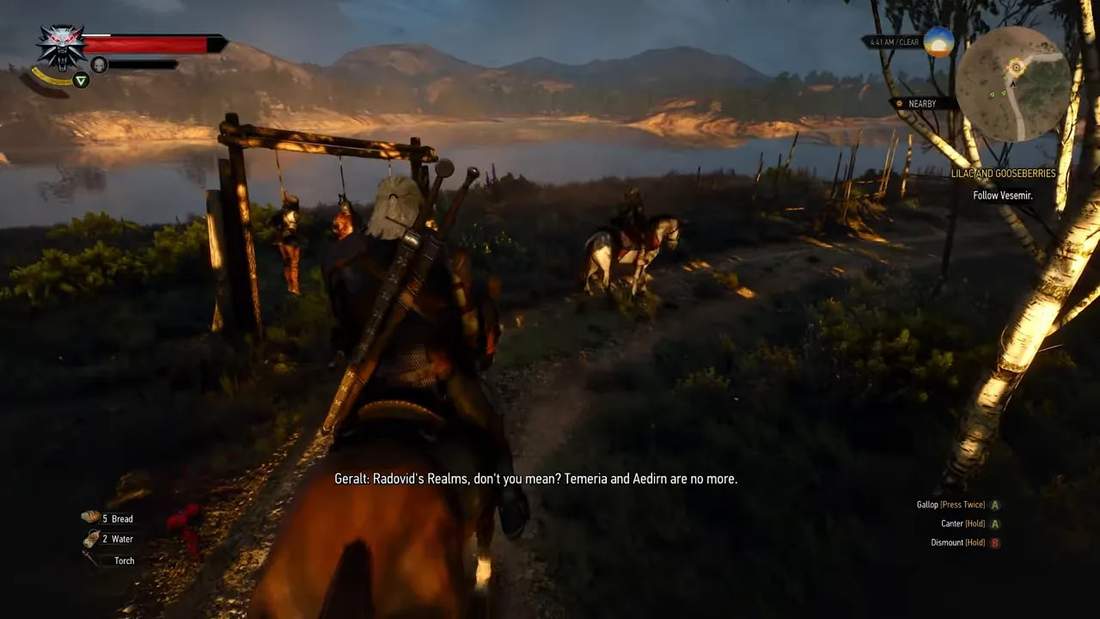
The side quests are not “filler”
One reason The Witcher 3 stays beloved is that side quests match the main quest in writing quality. The Bloody Baron quest line alone is so strong it’s better than a shocking number of games’ entire stories. And that’s the recurring theme: the world keeps telling stories even when it’s not “the main quest marker” story.
The expansions are also legit. Hearts of Stone and Blood and Wine are full experiences. Blood and Wine even adds another 20 plus hours worth of adventure, and it does so with the same obsession for character and atmosphere.
Choices and preparation
The Witcher 3 became famous partly because it lets you make questionable and hilarious choices. It perfected the art of letting you be a bit of a menace without turning the story into nonsense.
Combat is real-time with signs, magic, swords, potions, and preparation. You study monsters in your beastiary, craft oils and bombs, meditate to recover, and approach fights tactically. Movement can feel heavy, and combat lacks the precision of Souls games, but the system works well enough to stay satisfying.
On top of all that, it sold over 50 million copies and won over 250 Game of the Year awards. It’s popular for a reason. It’s also the kind of world you can get lost in for dozens of evenings.
3) Yakuza: Like a Dragon
Not every RPG has to feel serious or solemn. Yakuza: Like a Dragon is one of those “hidden gem” picks that reboots a whole series identity by changing the combat style and the protagonist perspective.
You play Ichiban Kasuga, a low-ranking Yakuza who takes the fall for his boss and spends 18 years in prison. He gets out to find his clan disbanded, his boss shot him, and he’s left homeless in Yokohama. That’s the dramatic setup.
Then comes the playful genius: the series ditches beat ’em up combat and switches to turn-based RPG battles inspired by Dragon Quest. Ichiban is obsessed with Dragon Quest, so he imagines everything as RPG-style job classes.
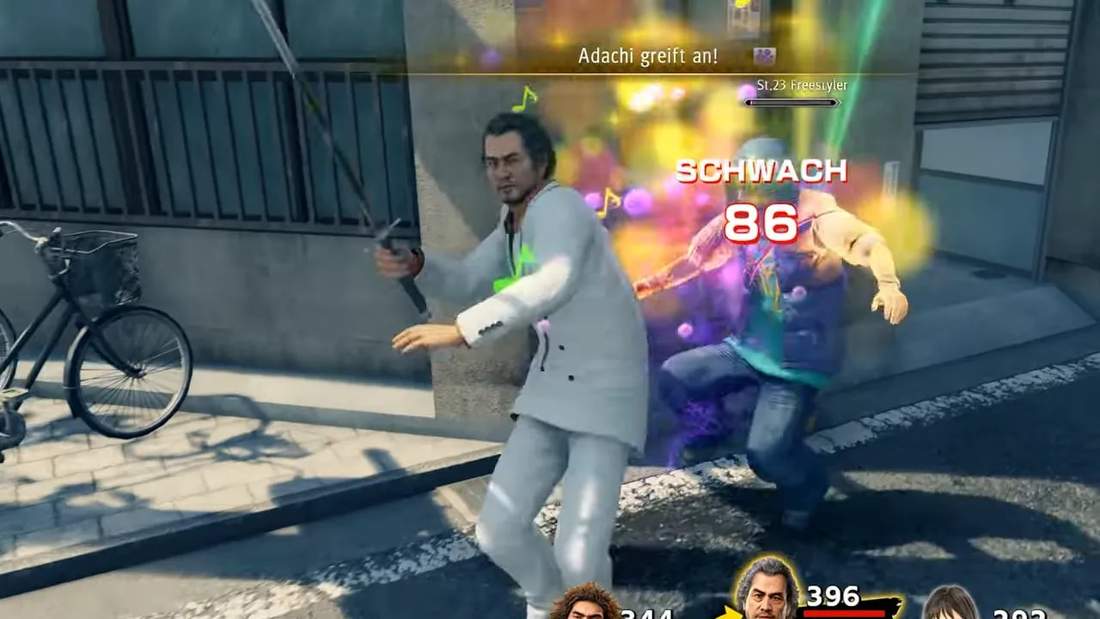
Job classes that actually change play
You can pick roles like hero, bodyguard, host, idol, chef, and many more. There are over 20 jobs, and each has unique abilities. It’s surprisingly tactical, too. Positioning, vulnerabilities, and team attacks matter.
What really makes it stand out is the tone. The story mixes serious drama with absurd humor, and the sub stories are highly entertaining. It even won Best RPG at the Game Awards in 2020.
If you want an RPG that’s easy to jump into but still smart and fun, this one earns its spot.
4) Disco Elysium
Disco Elysium is a different kind of RPG. When people talk about it, they usually mean the writing, and that’s the correct reason. The game launched and immediately got praised as one of the best written games ever made.
You wake up in a trashed hostel room with catastrophic amnesia. You have no memory of your name. Outside, there’s a corpse hanging from a tree. You’re a detective sent to investigate the murder, except you don’t remember being a detective, and your own brain feels like it is actively working against you.
It can be dialogue-heavy, but that’s part of its identity. And then there’s the biggest twist of all: Disco Elysium has zero combat.
The skill system is the hook
Everything happens through dialogue, skill checks, and dice rolls. You don’t grind loot. You don’t fight enemies. You do something rarer: you negotiate with your own instincts. The skill system uses 24 skills as voices inside your head.
It reframes what an RPG can be. Instead of optimizing damage output or chasing armor stats, it becomes a story about internal struggle and human failure. In my opinion, it’s a masterpiece about a broken man in a broken world trying to solve one murder while his psyche tears itself apart.
If you want an RPG that feels like philosophy disguised as a game, this is one of the best modern answers.
5) Elden Ring
Elden Ring is FromSoftware’s first open world game, made in collaboration with George R. R. Martin, who contributed to the world building and lore. It released as the kind of experience that makes you understand why “challenging RPG” can mean more than just difficulty for difficulty’s sake.
You are the Tarnished, trying to become Elden Lord by collecting great runes from demigods. The lands between spans six major regions with dungeons, catacombs, caves, and over 200 bosses.
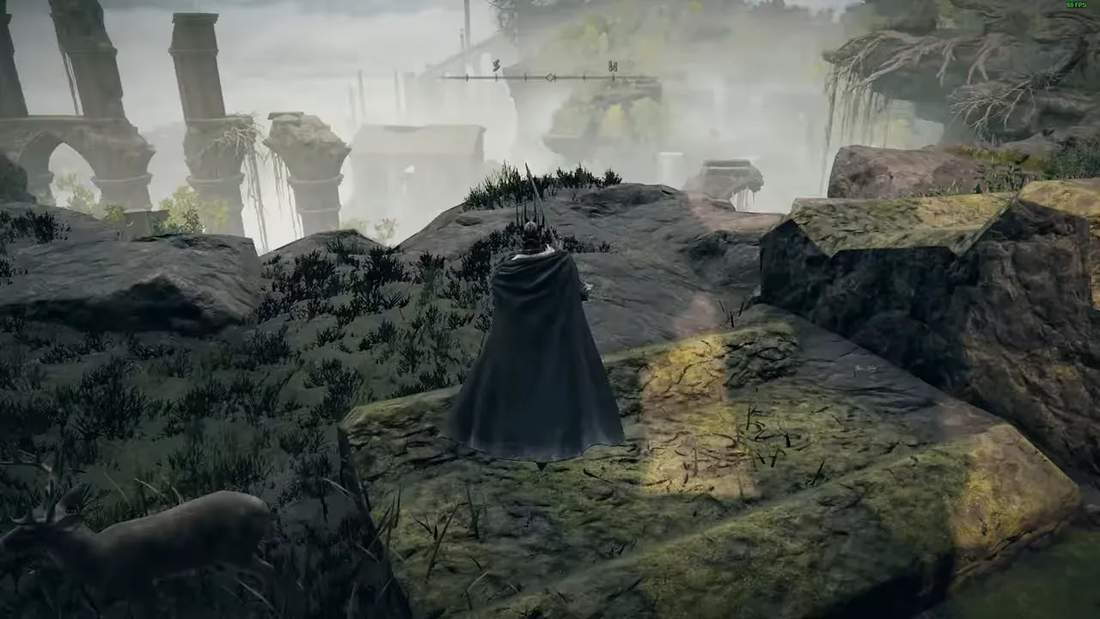
Freedom that changes how you learn bosses
The open world structure changes Souls games in a critical way. If you hit a wall with a boss, you can leave, explore elsewhere, level up, find better gear, and then come back stronger. That makes the game more flexible while still delivering the “earned victory” feeling.
Mount traversal matters, too. Torrent, your spectral horse, lets you travel fast and fight mounted enemies. Build variety is also crazy, with hundreds of weapons, spells, and play styles.
And since you’re targeting 2026, you should also know there’s a major expansion, Shadow of the Erdtree, released in 2024. It adds a huge new area with some of FromSoftware’s hardest bosses ever.
Elden Ring sold over 25 million copies and won Game of the Year in 2022. If you’ve never played Souls games, it’s one of the best entry points.
6) Cyberpunk 2077 (2.0 update + Phantom Liberty)
Cyberpunk 2077 has gone through a transformation, and it’s worth playing now in the improved form. The 2.0 update and the Phantom Liberty expansion fundamentally transformed the game, overhauling the police system, combat AI, skill trees, and cyberware.
Phantom Liberty adds Dog Town and features Idris Elba as Solomon Reed. This matters because the expansion feels like it adds story pressure instead of just adding side content.
In the base game, you play V, a mercenary in Night City with a biochip slowly killing you. The RPG mix is part action shooter, part hacking simulator, and part character-driven story. You can upgrade cyberware for abilities like slowing time, double jumping, or hacking enemy implants so they attack each other.
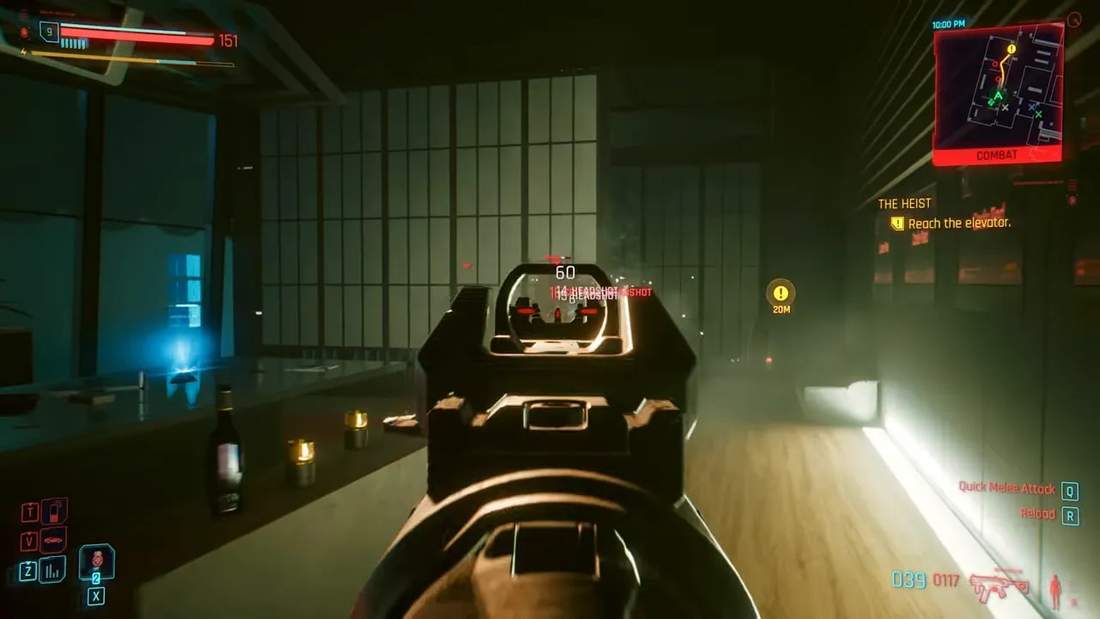
Choice, multiple endings, and excellent side stories
The story branches based on your choices, with multiple endings. And then the side quests really deserve praise. Judy, Panam, River, and Carrie’s story lines are as good as the main quest, and they make the city feel alive rather than “quest board vibes.”
It’s not as predictable as a lot of other RPGs. It also feels like the kind of game where doing different builds changes how you experience the same situations.
Also, for me, it’s hard to ignore that Keanu Reeves plays Johnny Silverhand, a rocker boy terrorist living in your head. That’s not just casting. It’s identity-level storytelling.
7) Baldur’s Gate 3
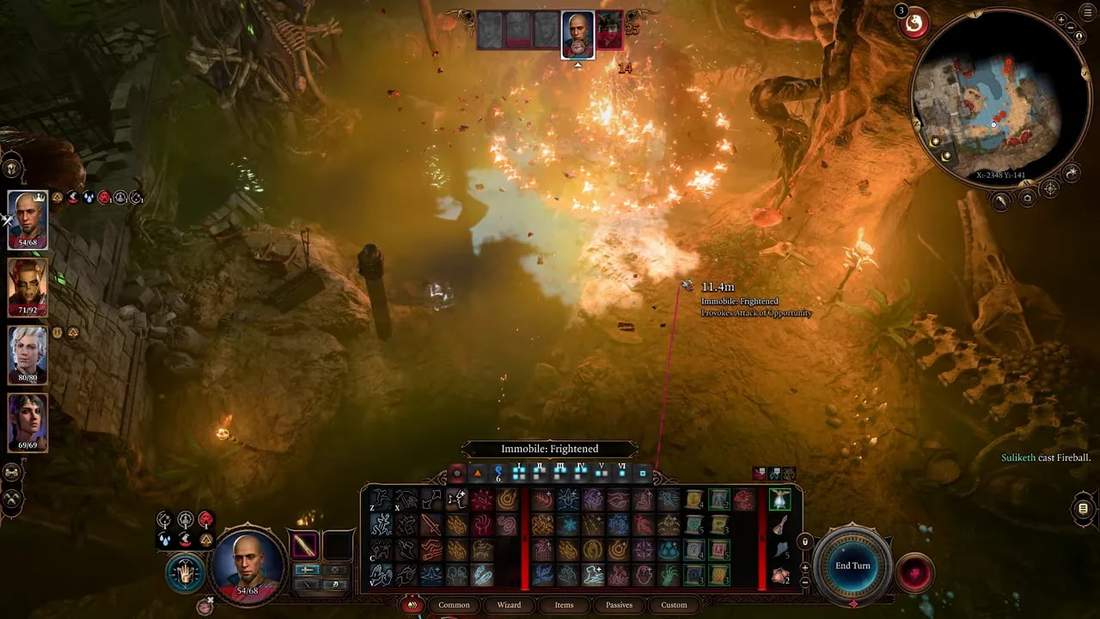
When people say “best RPG of the modern era,” Baldur’s Gate 3 is the obvious answer. It launched in August 2023 after three years in early access, and it’s widely considered the best CRPG ever made.
You’re infected with a mind flare tadpole, racing to remove it before you transform. The setup is simple, but everything spirals into chaos: cults, gods, the absolute, and choices that reshape the entire Forgotten Realms.
D and D fifth edition made into pure freedom
BG3 uses D and D fifth edition rules with turn-based combat, skill checks, and dice rules for everything. The freedom is insane. Depending on your choices, there are 17,000 ending variations. And the game gives you wildly creative ways to resolve problems.
You can talk your way out of combat, shove enemies off cliffs, recruit companions, or kill them. And even if you’re a completionist, it’s easy to miss stuff, because the game branches everywhere.
Voice acting is incredible, with over 170 hours of cinematics. Companions have depth, personal quests, romances, and even conflicts with each other that respond to what you choose.
One caution: reaching the city of Baldur’s Gate can feel like a new game entirely, and it can become overwhelming. A lot of people stop earlier, and some incredible content near the end gets missed.
Baldur’s Gate 3 won over 300 awards, including multiple Game of the Year awards, and sold over 15 million copies. It set a new standard for CRPGs.
8) Star Wars Knights of the Old Republic
Knights of the Old Republic remains one of the best Star Wars RPGs ever made. It’s set 4,000 years before the films, during the Mandalorian Wars. The Sith Empire led by Darth Malik is conquering the galaxy, and you join up with Bastila Shan, a Jedi.
And then there’s the ending twist. I won’t spoil it, but if you know, you know. The story is at BioWare’s peak, and the companions are excellent.
You recruit characters like HK47, a murderous droid, Karth, a Republic pilot with trust issues, and Jolie Bindo, a gray Jedi hermit. You can go light side or dark side, and your choices affect the ending.
D&D-inspired Star Wars combat
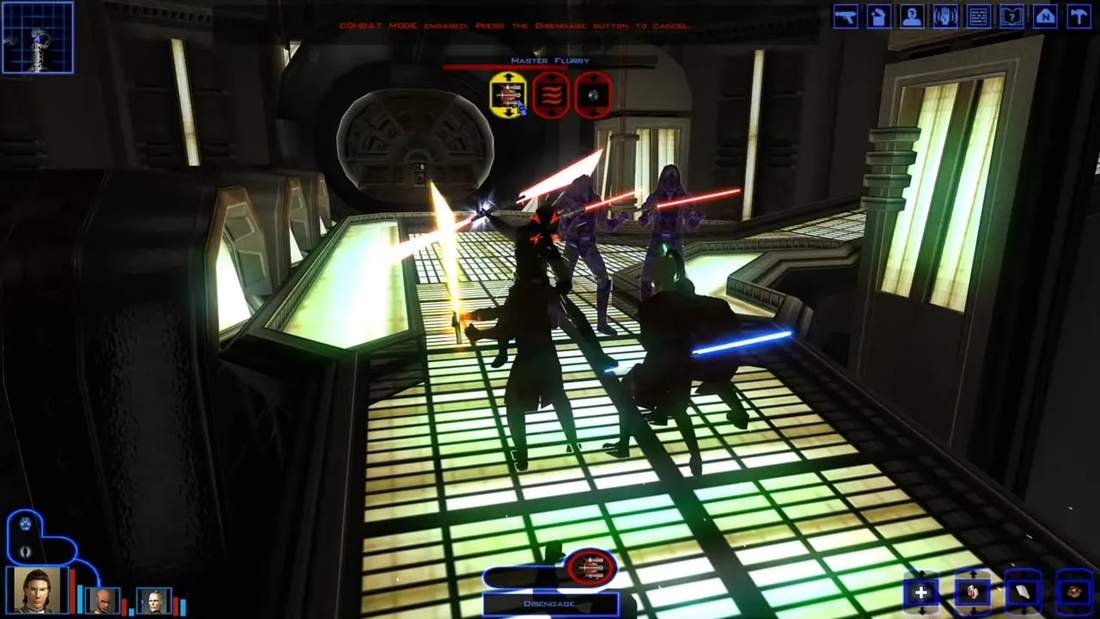
Combat is real time with pause, using D&D D20 rules adapted for Star Wars. You pick feats, force powers, and weapon specializations as you level, and lightsaber combat, force lightning, force choke, and more all feel like they belong in the setting.
The game won over 40 Game of the Year awards in its heyday. It’s also been remastered for mobile, Switch, and modern consoles.
If you love Star Wars and you haven’t played KOTOR, that’s basically a checklist violation. Fix it immediately.
9) The Elder Scrolls V: Skyrim
Skyrim is one of the most legendary RPGs ever, and it’s also one of the most played and modded games you could list. Even with its age, it still holds onto a special kind of freedom.
You play the Dragonborn, the only person who can absorb dragon souls. The setup is epic, but most players ignore the main quest at some point, because it’s too tempting to just join guilds, explore dungeons, and hoard cheese wheels.
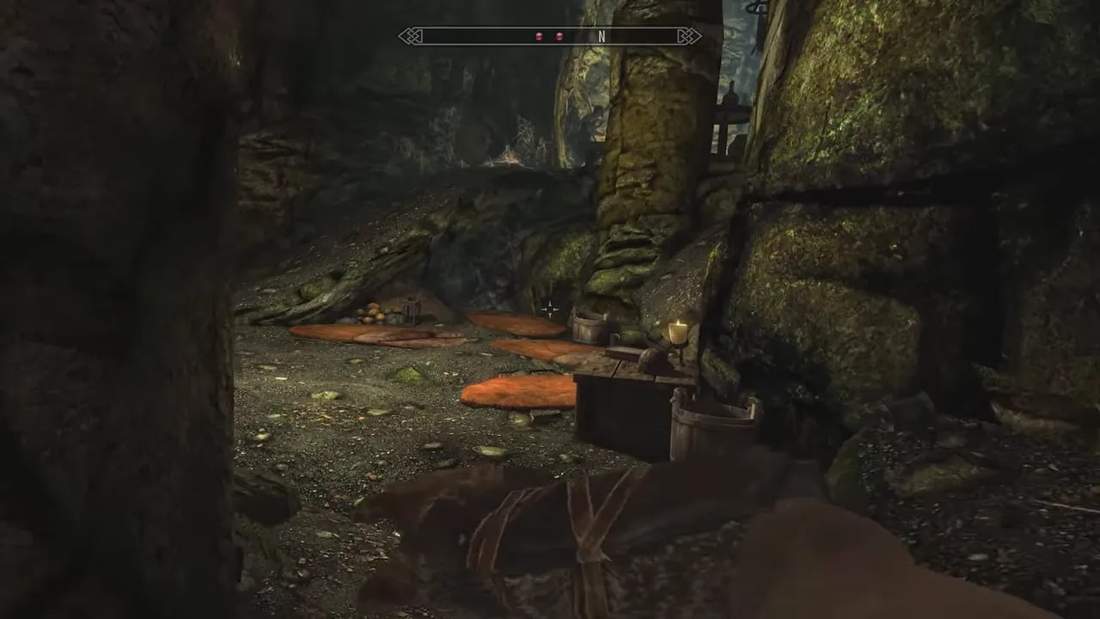
The open world is huge. Skyrim has hundreds of dungeons, caves, ruins, and unmarked locations spread across nine “holds.” You can join companions, the Thieves Guild, the Dark Brotherhood, the College of Winterhold, or pick a side in the civil war between the Empire and the Stormcloaks.
Radiant quests and infinite wandering
Skyrim’s radiant quest system generates infinite quests, though they can get repetitive. Combat is classic Bethesda RPG combat: clunky as hell, but still enjoyable. It sold over 60 million copies across all platforms and has been re-released six times, including Special Edition, VR, Switch, and Anniversary Edition.
On PC, the mod scene is legendary, with tens of thousands of mods. But even without mods, exploration and freedom make it one of the best RPGs in the world.
10) Chrono Trigger
Chrono Trigger is one of those “everyone should have played this” classic RPGs. It launched in March 1995 on Super Nintendo in Japan and August 1995 in North America.
You play Chrono, a silent protagonist who accidentally time travels and discovers Lavos, an alien parasite that will destroy the world in 1999. You assemble a party across different time periods to stop Lavos and save the future.
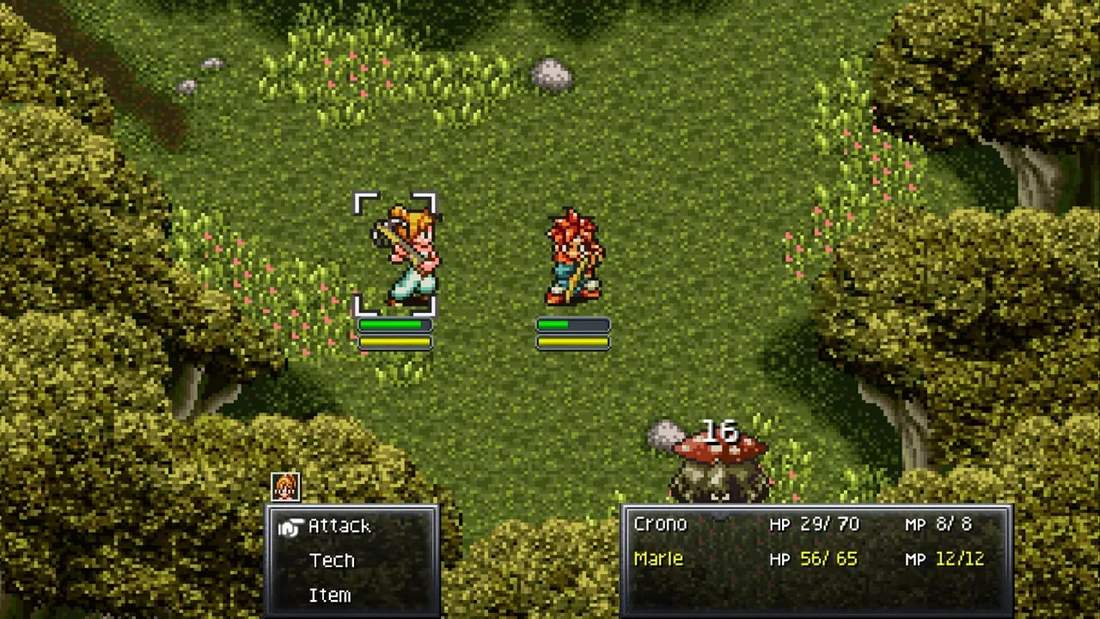
The battle system uses active time battle. Positioning matters, and you combine party member abilities for devastating attacks. It’s a dream collaboration, and you can feel it in the polish.
Made by a “dream team”
Hironobu Sakaguchi (Final Fantasy creator), Yuji Horii (Dragon Quest creator), and Akira Toriyama (Dragon Ball artist) all collaborated. The soundtrack is legendary too, with iconic tracks like Frog’s theme and Corridors of Time.
It’s only around 20 to 25 hours, but it’s incredibly replayable. It’s available on SNES, PS1, Nintendo DS, PC, and mobile. The DS version includes two new areas and a bonus dungeon.
If you’ve never played Chrono Trigger, it’s mandatory. One of the most playable retro games right now in my opinion.
11) Final Fantasy VI
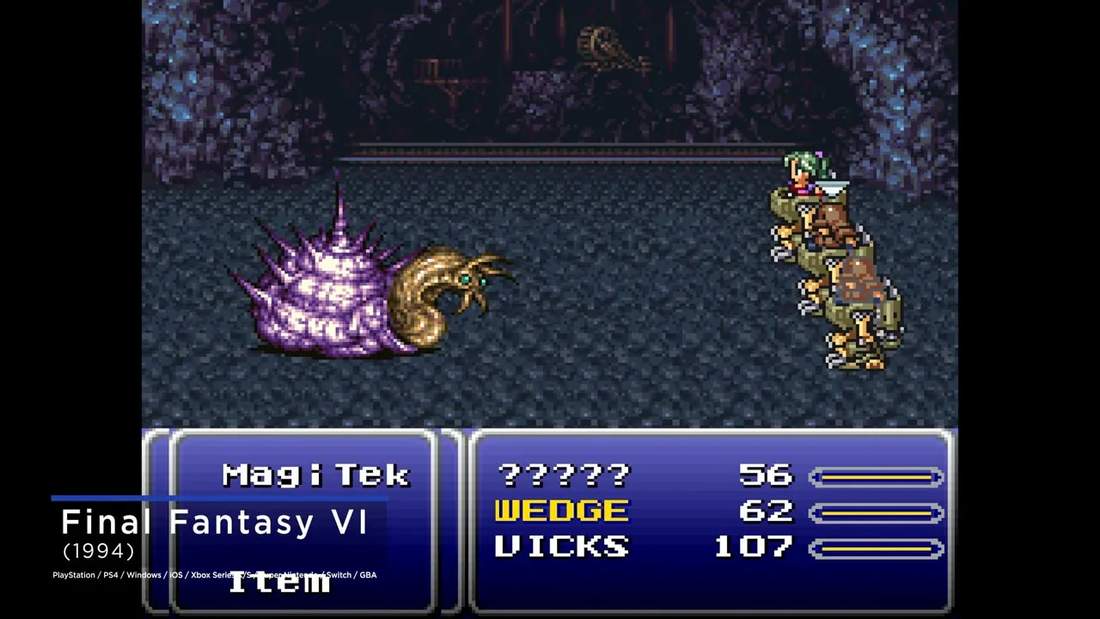
A lot of people argue that Final Fantasy VI is the best in the series, and honestly, that argument is hard to dismiss. You control a cast of 14 playable characters fighting the Gastal-lian Empire and the villain Kefka Palazzo, a nihilistic clown who becomes one of gaming’s greatest villains.
The story splits into two halves. In the world of balance, you assemble your party and fight the Empire. Then the world of ruin begins a year later with your party scattered. You reassemble them and hunt Kefka in his tower.
Active time battle and memorable music
The active time battle system returns with expanded Esper magic. You equip Espers to learn spells and boost stats, and every character has unique abilities. Customization is deep despite characters needing to find their roles.
The soundtrack is legendary. “Terra’s theme,” “Dancing Mad,” which is a 17-minute final boss theme, and even an area with an actual opera scene (Midame) show how ambitious the game is. It’s available on SNES, PS1, Game Boy Advance, and also the Pixel Remaster on modern platforms.
If you like 2D JRPGs, this one will feel like comfort food and history at the same time.
12) Persona 5 Royal
For a JRPG that feels different from a lot of the others on this list, Persona 5 is a great pick. It launched September 2016 in Japan and April 2017 worldwide on PS3 and PS4.
You play a high school student in Tokyo who gains the ability to enter the metaverse, a cognitive world where you steal the corrupt desires of evil adults by infiltrating their palaces. By day, you attend school and build relationships. By night, you’re the Phantom Thieves changing hearts.
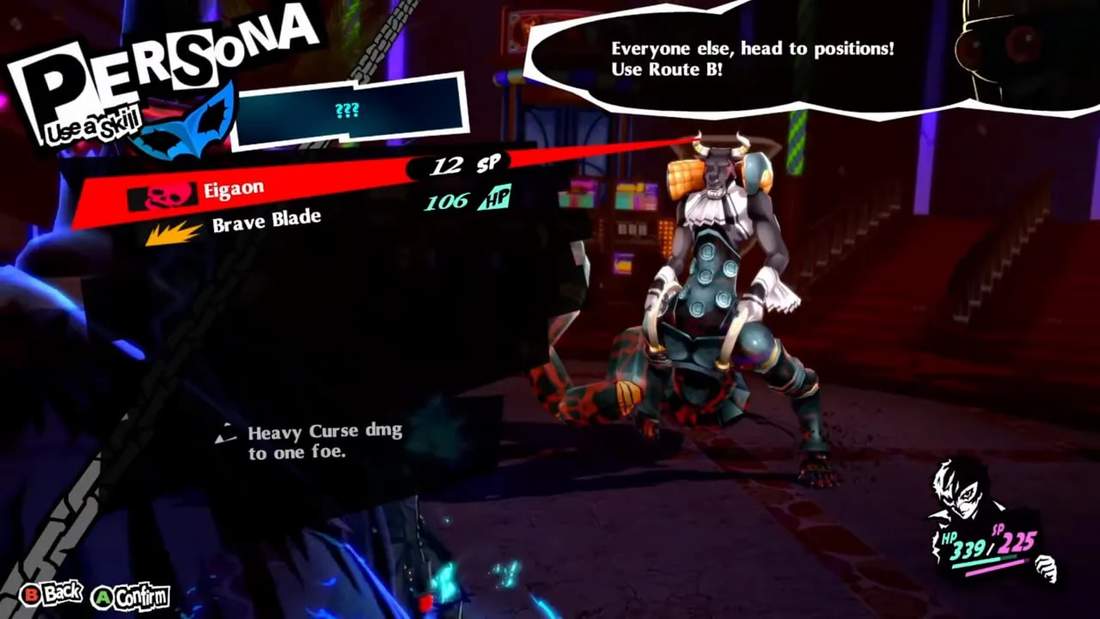
The stylish UI is iconic. Every menu, transition, and battle screen oozes personality with bold reds and blacks and jazz-infused music.
Press turn combat and “you can’t do everything” design
The turn-based combat uses the press turn system, where exploiting weaknesses gives you extra actions. You negotiate with demons to recruit them as personas, fuse them to create stronger ones, and build your team. That leveled complexity is a big part of why people enjoy it.
You also have limited days to finish palaces and max out confidant relationships. Those confidants unlock gameplay benefits. You’re juggling romancing companions, part-time jobs, studying for exams, and exploring Tokyo. Everything takes time, and you cannot do everything in one playthrough.
Persona 5 Royal released in 2019 with new characters, quality of life improvements, and expanded content. The base game is 100 plus hours, and Royal adds another 30. If you’ve never played Persona, Royal is the definitive version.
13) Morrowind
Morrowind is the OG Bethesda RPG released in 2002, and it remains one of their deepest, weirdest, most uncompromising titles. It’s the kind of game that expects you to think, not just react.
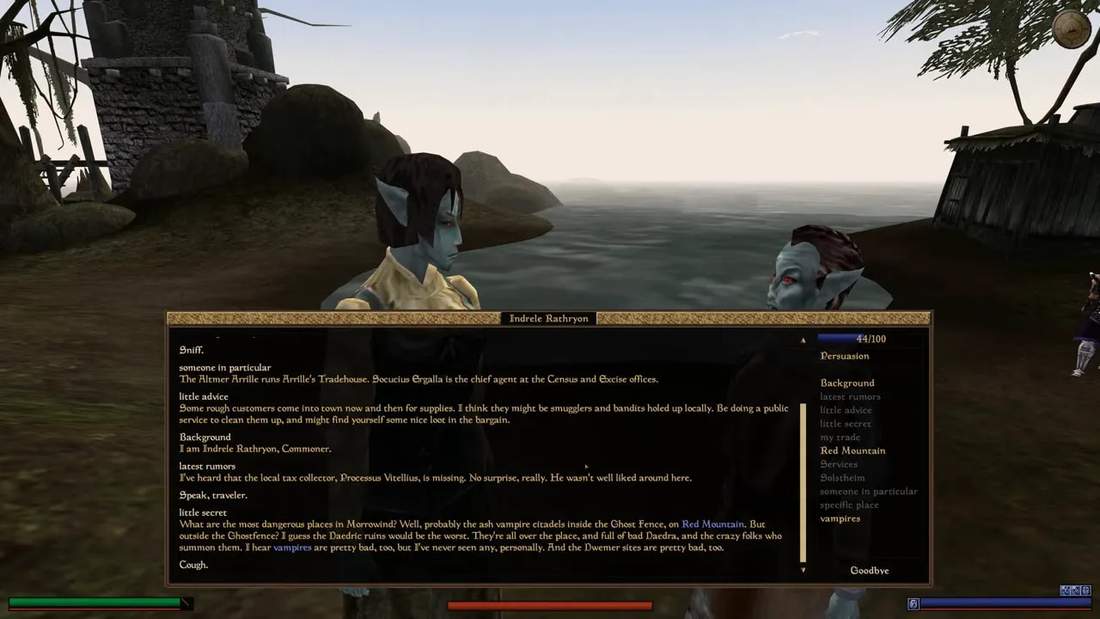
You arrive as a prisoner on a boat to Vvardenfell with vague instructions to report to a town called Balora. There are no quest markers. No glowing trails. Just a world that expects you to read dialogue, take notes, and figure things out.
The lore runs deep with tribunal gods, Dwemer ruins, great house political intrigue, and religious conflicts. It puts most fantasy novels to shame.
Freedom that breaks the main story (and still lets you play)
The freedom is unmatched. You can join House Telvanni and grow a wizard tower from mushroom spores. You can become a vampire and watch the world turn hostile. You can even kill essential quest NPCs, break the main story, and keep going anyway.
The game warns you that you created a doomed world and lets you continue anyway. That level of trust in player intelligence is why it’s still considered the best, even if the combat aged terribly.
14) Clair Obscur: Expedition 33
Clair Obscur: Expedition 33 launched in April 2025 and is a debut game worth paying attention to. It’s a turn-based RPG set in a dark fantasy version of France.
In its premise, a paintress wakes up every year, paints a number on a monolith, and everyone of that age dies. The premise is wild because you are part of Expedition 33, trying to stop her before it’s too late.
In the story you meet, she’s been counting down year by year, and tomorrow she’s painting 33. That’s the countdown ticking loud enough to get your attention immediately.
A fresh take on turn-based combat
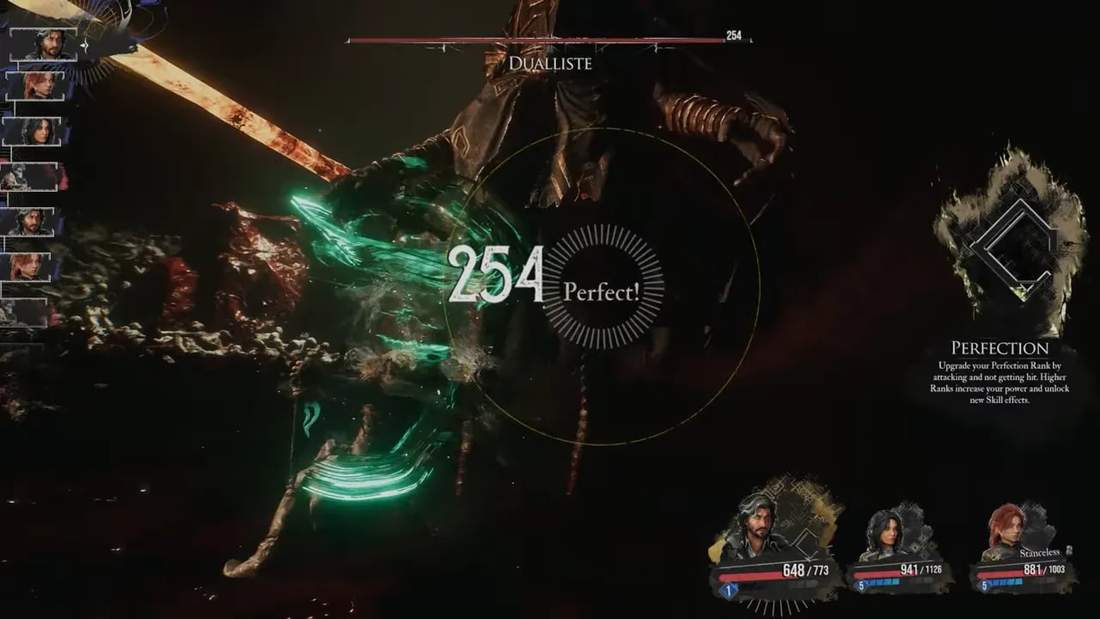
The combat mixes turn-based strategy with real-time mechanics. During your turn, you dodge, parry, and counter in real time. You chain combos by nailing attack rhythms, and you use free aim to target weak points.
Critics are calling it a masterpiece, with some claiming it revolutionizes turn-based combat. The voice cast includes Charlie Cox, Andy Serkis, and Ben Starr, and it was on Game Pass day one.
If you’ve been waiting for a turn-based RPG that feels genuinely fresh, this is a strong “try it immediately” recommendation.
15) Wizardry 8 + Planescape: Torment + Fallout 2 + Ultima IV (the old-school giants)
Here’s the thing. The “perfect RPG” list wouldn’t be complete without older games that shaped what RPGs become as a genre. Some of these are dense, slow, and not built for modern convenience. But when they’re great, they’re timeless.
So rather than pretend the older CRPG era is “just nostalgia,” I’m grouping four legendary picks here because they share a similar strength: narrative ambition and systems depth.
Wizardry 8
Wizardry 8 launched in November 2001 as the final game in the Dark Savant trilogy and the last Wizardry ever made before Cerea closed in 2003. If you want the deepest party-based tactical dungeon crawler, this is the pinnacle.
You race rival factions to reach the astral domin. The combat system is a standout: turn-based, first person, six party members, positioning that matters, and enemies that visibly approach instead of random encounters. Character creation is crazy deep with 11 races, including elves and dwarves plus exotic ones like raw wolves, felpers, and muks.
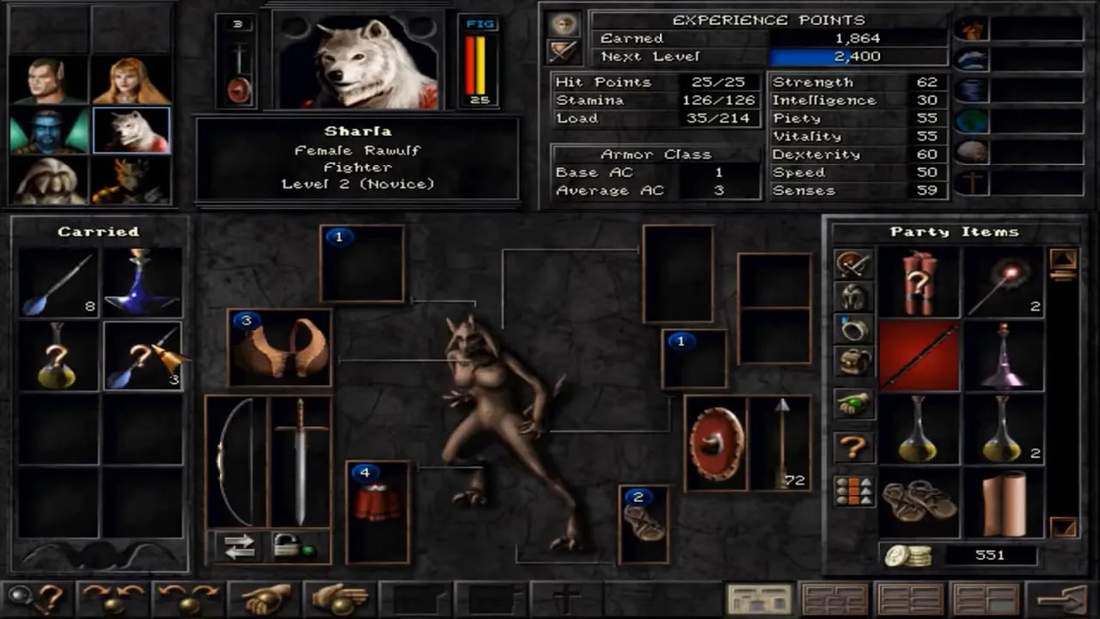
Fair warning: combat is slow and fights can take 20 minutes plus. But if you want “old-school tactical mastery” in its purest form, Wizardry 8 delivers.
Planescape: Torment
Planescape: Torment is one of the most narratively ambitious CRPGs ever created. You are the Nameless One, an immortal amnesiac covered in scars and tattoos who wakes up in a mortuary. Every time you die, you come back, but you lose your memories.
Your quest is essentially one question: what can change the nature of a man?
The game takes place in Sigil, the city of doors at the center of the multiverse. You meet factions like the Dustmen, who believe everyone is already dead, and the sensates, who seek all experiences.
Combat uses an Infinity Engine system with real-time and pause. But here’s the coolest part: if your wisdom, intelligence, and charisma are high enough, you can finish the game killing almost nothing. The game prioritizes dialogue over fighting, and it has over 800,000 words of text.
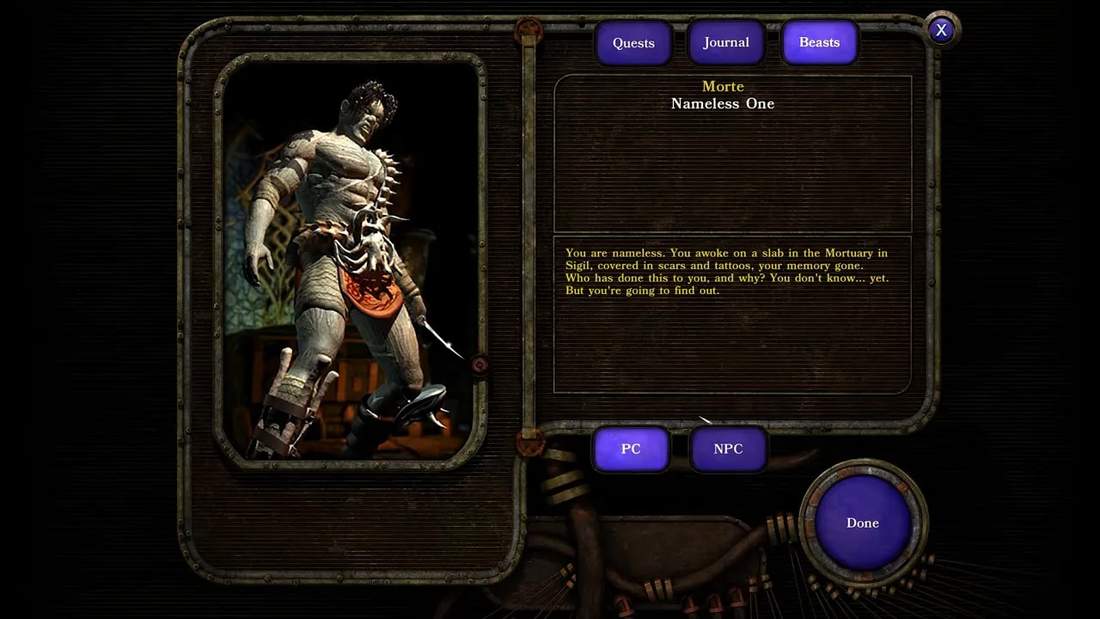
It’s basically philosophy disguised as a game, with Chris Avellone-level writing exploring identity, mortality, regret, and redemption. The enhanced edition fixes bugs, adds higher resolutions, and includes quality of life improvements.
Fallout 2
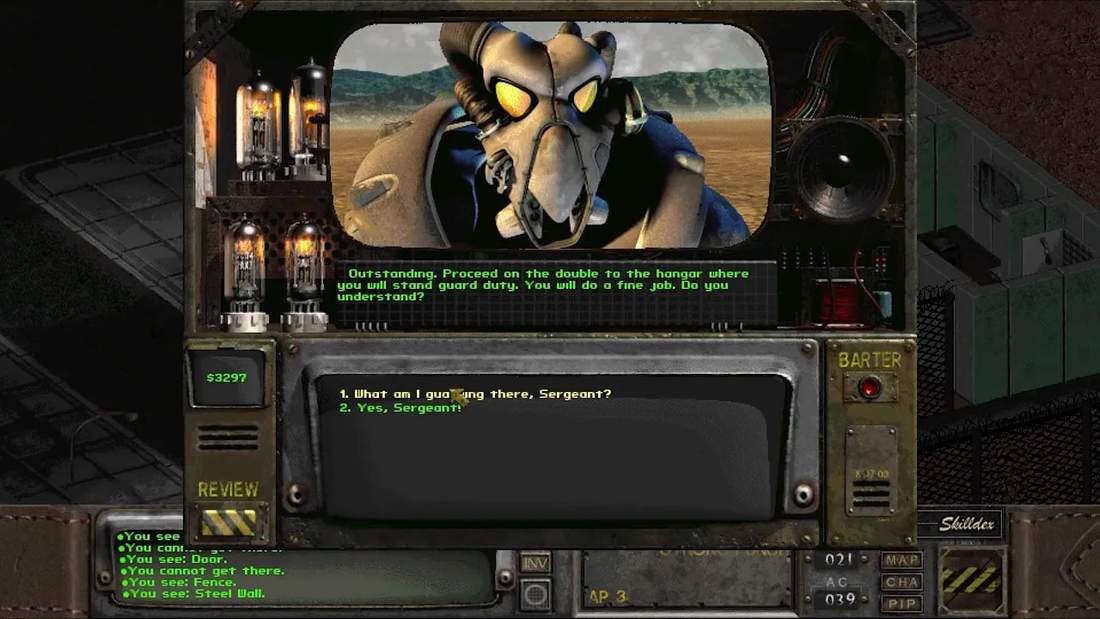
Fallout 2 released in 1998, one year after the original. You play the chosen one from Arroyo, a tribal village founded by the Vault Dweller from Fallout 1. Your mission is finding a Geck to save your dying village, which throws you into the wasteland 80 years later.
It’s bigger, edgier, and more ambitious than the original, with more cities, more factions, and more moral ambiguity. You can become a movie star, a boxer, a morally questionable individual, or a hero.
The Enclave emerges as the main antagonists, remnants of the pre-war US government gone fascist. The writing is darker and funnier, packed with pop culture references and fourth wall breaks.
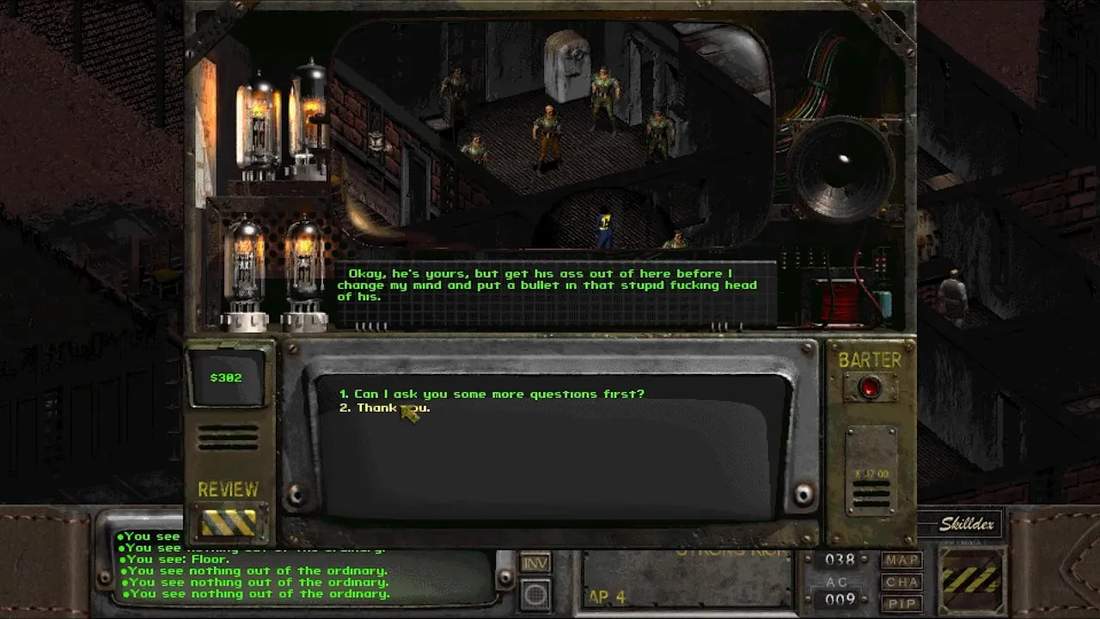
It brings back the special system with expanded perks and skills, and it offers multiple choices based on your stats and choices. Horror isn’t as intense as the first game, but it remains one of the coolest RPGs ever made.
Ultima IV: Quest of the Avatar
Ultima IV is old enough that it feels primitive at first glance. Yet it invented morality systems that echo throughout RPG history. Every alignment system in Baldur’s Gate, every paragon renegade choice in Mass Effect, every karma meter in Fallout. That all traces back to Richard Garriott deciding RPGs should make players think about ethics instead of optimizing damage output.
Quest of the Avatar released in September 1985 and reinvented what RPGs could be about. Previous Ultima games used the classic loop: evil wizard threatens world, hero kills wizard, credits roll. Ultima IV threw that out.
There’s no villain to defeat. You’re trying to become a better person. Britannia’s society is collapsing from internal moral decay, and Lord British wants someone to embody eight virtues: honesty, compassion, valor, justice, sacrifice, honor, spirituality, and humility, to become the next Avatar. The game is primitive, top-down, menudriven combat with cryptic puzzles, but the moral framework stays revolutionary.
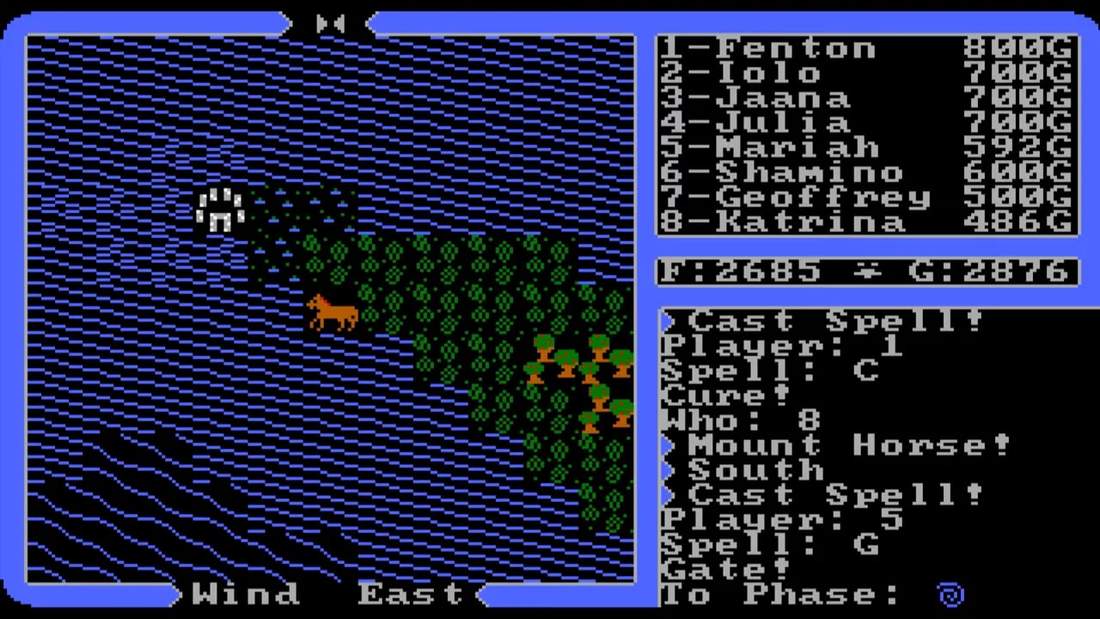
If you want to understand where modern video RPGs got some of their inspiration, this is essential.
How to pick your “perfect RPG” based on what you want right now
Maybe you want story and choice. Maybe you want mastery and challenge. Maybe you want weird exploration. Here’s a quick way to choose based on the kind of “perfect” you’re craving.
- Story with consequences: Mass Effect, Baldur’s Gate 3, Witcher 3, Cyberpunk 2077
- World building you can live inside: Skyrim, Witcher 3, Elden Ring, Morrowind
- Writing-first RPG experiences: Disco Elysium, Planescape: Torment
- Turn-based that feels tactical and fresh: Yakuza: Like a Dragon, Persona 5 Royal, Clair Obscur: Expedition 33
- Hardcore mastery: Elden Ring, Wizardry 8
- Classic RPG history lessons: Fallout 2, Ultima IV, Chrono Trigger, Final Fantasy VI, KOTOR
Final thoughts: why these 15 belong together
Every game on this list has one common ingredient: it respects the reason RPGs exist. They aren’t just “long games.” They’re games where time feels like investment, because the world, characters, and systems change how you experience the story.
That’s why I call them 15 perfect RPGs games in 2026. Not because every one is modern-perfect in graphics or UI. Some are clunky. Some are slow. Some are dialogue-heavy. But all of them earn the hours.
If you pick just one for your next playthrough, pick the one that matches your mood. Then commit. RPGs are better when you stop treating them like backlogged tasks and start treating them like worlds you’re stepping into.
More ways to keep RPG time “worth it”
If you like RPGs that respect your curiosity and reward smart decision-making, you might enjoy exploring more gaming posts like this on PopCult Daily’s gaming section, or by checking out Zedd’s author page for recent guides and recommendations.
And if you’re in the mood for a different kind of “progression addiction” (crafting loops, optimization, and event-driven goals), try bug-farming style guides—then come back and choose your next RPG from the list based on whether you want story, mastery, or world-building.