If most survival games feel like the same loop dressed up with different textures, you are not imagining it. The usual rhythm is predictable: punch trees, craft a pickaxe, build a base, get raided, and quit. I wanted survival games that break that pattern and actually change what the game is asking me to do.
So here are my picks for the 20 Best survival Games you can play right now, grouped by the kind of tension and progression you are looking for. Each one swaps in something fresher, like underwater exploration, boss-gated progression, survival horror, brutal PvP, or survival with a bigger story underneath.
Underwater, Beyond the Ocean: Subnautica
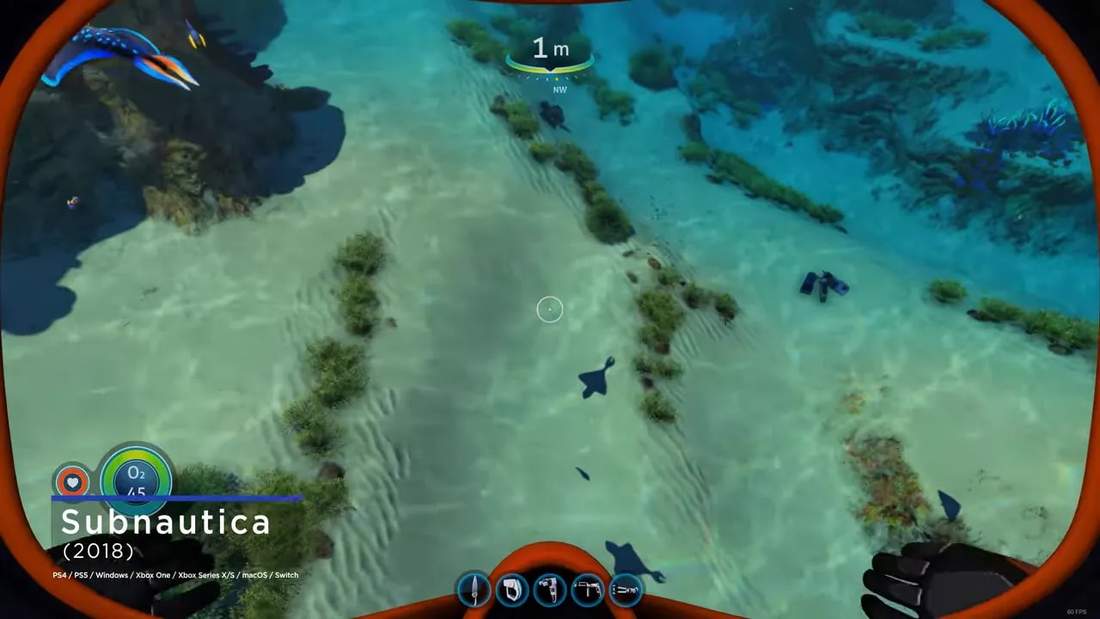
Subnautica flips the formula by making the entire world your base and your enemy. You crash-land on planet 4546b, an ocean world, and your escape pod sinks into the shallows. From there, survival is exploration-first: scavenge wreckage, build sea bases, and go deeper to unlock what you need.
The progression is driven by scanning fragments to unlock blueprints, gathering resources, and sending yourself farther into hostile biomes. It starts with safer coral reefs and escalates into terrifying depths with ghost leviathans. Even if you like building, the real satisfaction is charting a route through danger.
- Vehicles: Sea Moth submarine, Prawn Exo suit, and Cyclops as a mobile base.
- Story delivery: PDA logs that explain what happened to the previous expedition and how to cure your infection.
- Co-op roadmap: Subnautica 2 is planned for early access in 2026 with co-op up to four players.
Base Building That Moves: Soulmask (and the Shifting Sands DLC)
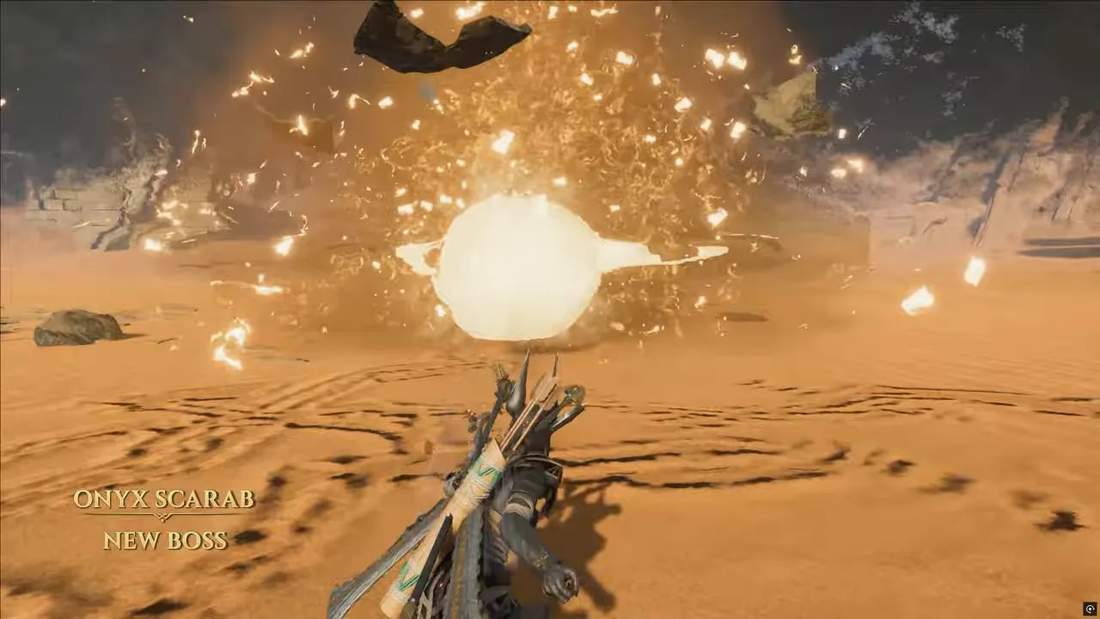
Soulmask is a survival sandbox set in ancient civilizations, where you are building bases, managing tribes, and wandering huge open worlds. The big reason I am recommending it is the feeling of “the game is still expanding,” especially with its 1.0 release and a massive Egypt DLC.
The Shifting Sands DLC is described as being as large as the base game, with 500+ hours of content and free availability if you grab it during the first month after launch. The biggest gameplay shift is an airship with anti-gravity, meaning you are not locked into building one base and defending it forever. Your “home” becomes a floating platform you live on while you explore.
- Egypt setting: pyramids, deserts, and fresh ancient civilization content.
- Blueprint system: ship building gets simpler because you can start from designed blueprints.
- Entry-friendly: you can jump into Shifting Sands even if you have not played the base game.
Progression Through Bosses and Biomes: Valheim
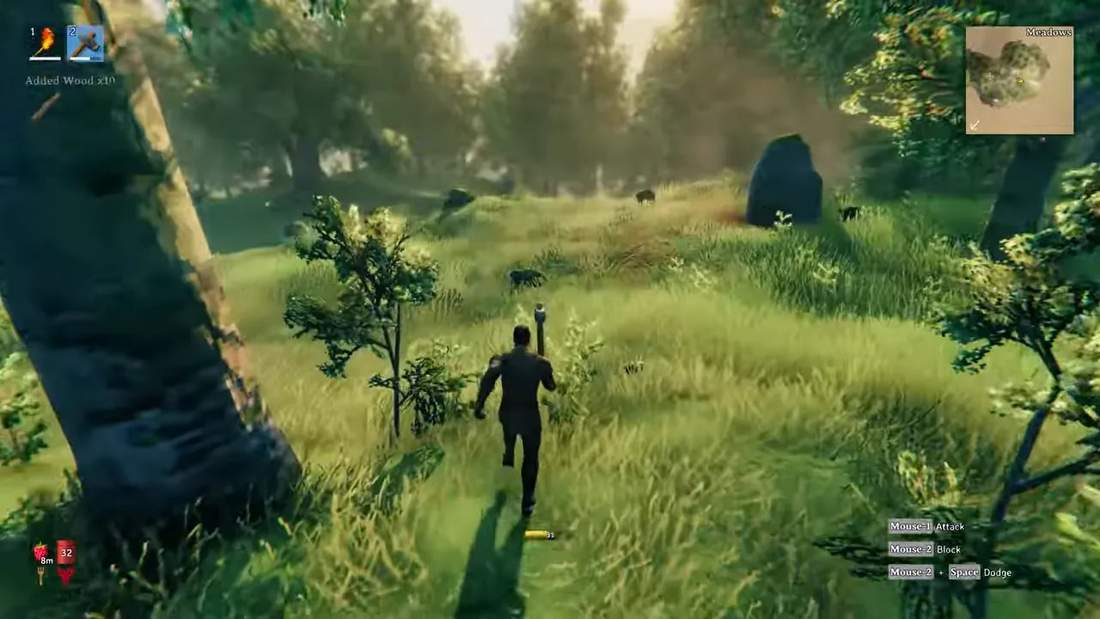
Valheim keeps survival grounded while turning it into a structured progression loop. You are a Viking warrior trying to prove you are worthy of Valhalla by defeating Forsaken bosses. Once you beat a boss, you unlock new resources, explore new biomes, craft better gear, then repeat.
What makes it feel different from “craft and grind forever” is how much the building and combat systems ask for actual planning.
- Building: physics-based with structural integrity, so unsupported bases collapse.
- Combat: stamina-based third person with blocking, parrying, and dodging.
- Food matters: cooking affects both health and stamina.
- Co-op: supports up to 10 players for sailing, raids, and group settlements.
- Recent content: Ashlands added volcanic regions in 2024.
Survival Horror With Planning: Sons of the Forest
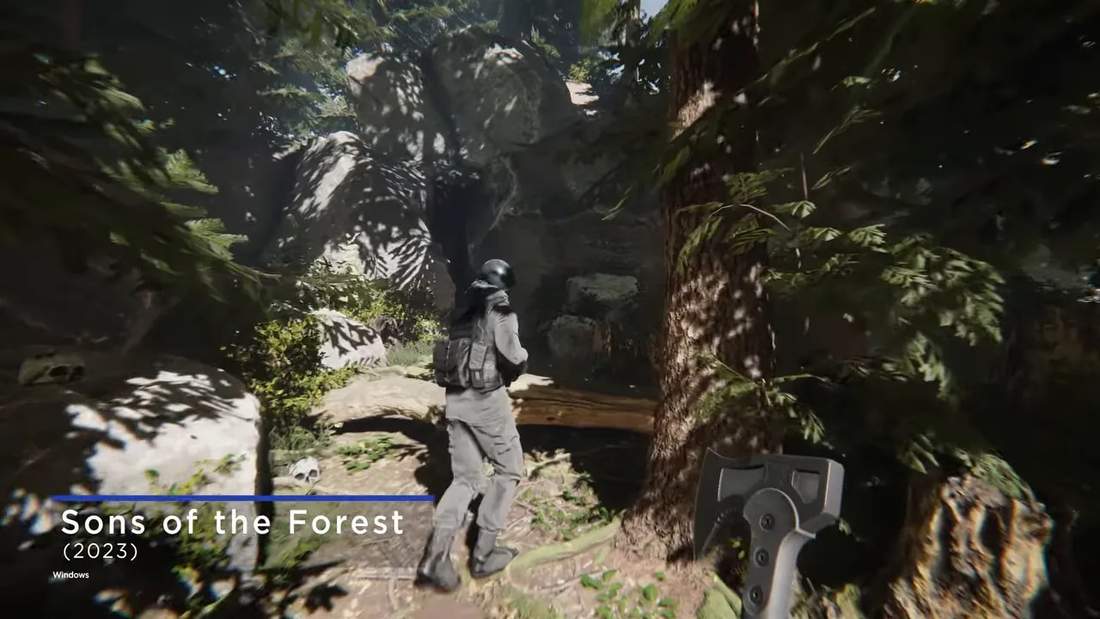
Sons of the Forest throws you onto a remote, dangerous island where survival is not just “hard,” it is constant pressure. You start with almost nothing, scavenging, crafting weapons, and building shelters while aggressive AI enemies keep you on edge.
The island’s forests, caves, and settlements hide secrets while also hiding threats. Combat and stealth work together, so you can fight, avoid, or trap enemies. And because there is a day-night cycle, night becomes extra tense. The survival horror vibe is created by combining resource management with emergent AI encounters you do not fully control.
Survival With Dinosaurs (and Multiplayer Chaos): Ark
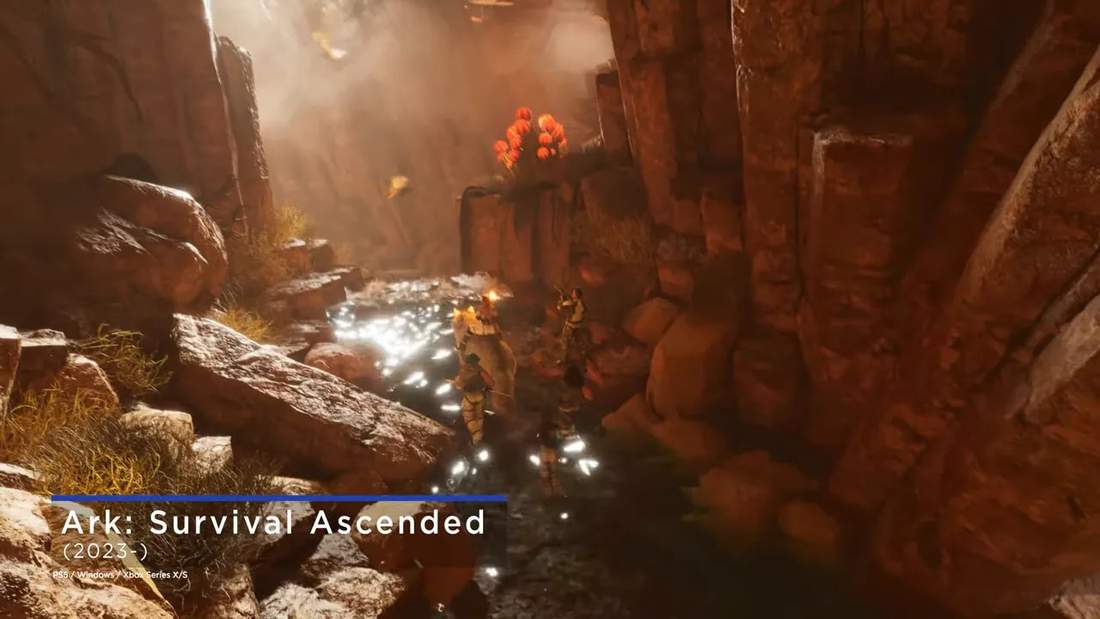
Ark is ambitious survival on a massive island where you start near the bottom of the food chain. Your early game is stone, trees, and desperately making it through the first night. Then the hook arrives: taming dinosaurs.
Raptors, triceratops, and even a full-blown T-Rex can become part of your team if you handle the process correctly. In multiplayer, that taming fantasy turns into chaos quickly, because tribes build huge bases, raise dinosaur armies, and sometimes erase other tribes from the map.
- Exploration: caves, ruins, and dangerous regions that require preparation.
- Multiplayer energy: one minute you are gathering berries, the next minute a carnivore ruins your day.
- Reality check: it can be buggy, but it runs well enough to keep the fun rolling.
Small World, Big Terror: Grounded
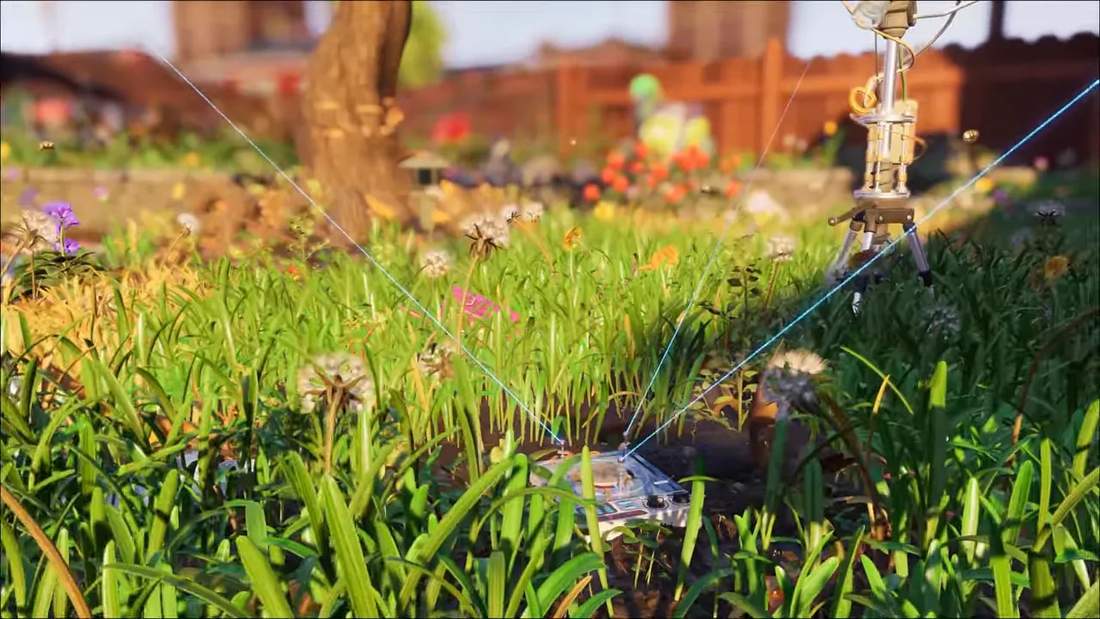
Grounded shrinks the survival formula until the backyard feels enormous. You are the size of an insect, so a blade of grass becomes a towering obstacle and creatures that seem harmless at human scale become genuinely terrifying.
Progression revolves around gathering materials, crafting tools, building shelters, and learning how to deal with wildlife. Ants are manageable, but spiders remind you that you are very far down the food chain.
Exploration is where the game really shines. Every corner can hide useful resources and research stations that unlock better equipment. And with friends, it becomes easier and funnier at the same time.
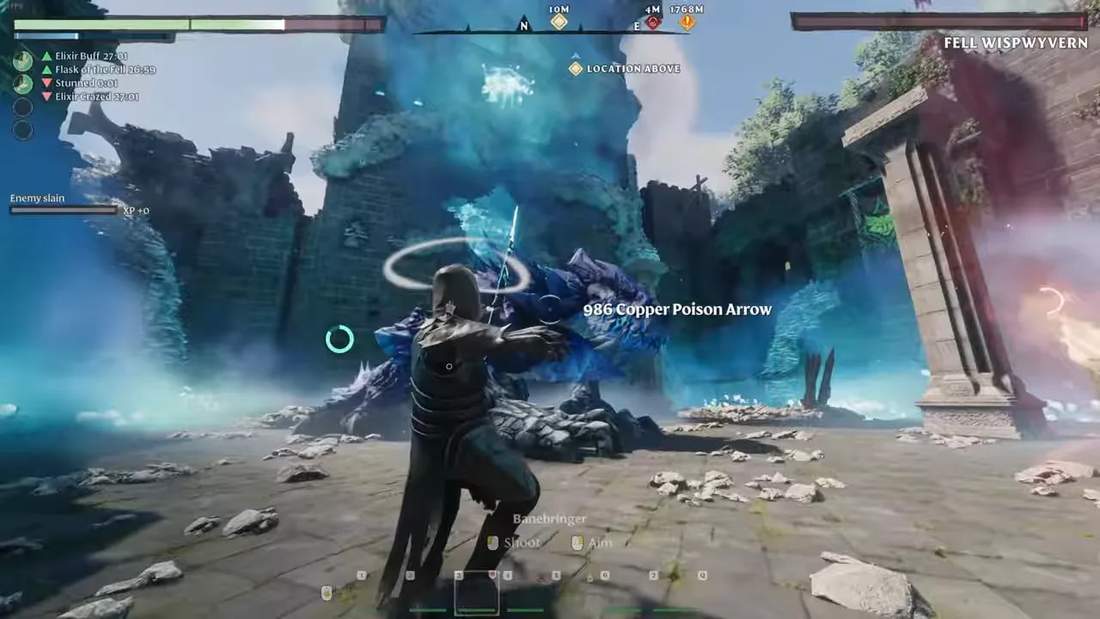
Fog-Locked Progression and Combat Timing: Enshrouded
Enshrouded blends survival mechanics with a large RPG structure, and it keeps pushing you deeper by making the world itself a threat. The dark fog called the shroud limits how long you can explore certain areas before things go very wrong.
You gather resources, craft gear, build shelters, then push farther into the map to uncover ruins and hidden locations. Compared to many survival games, combat plays a bigger role, with enemies that require timing and positioning rather than just swinging until something drops.
The unique difference for me is progression rhythm: as you unlock tools and abilities, previously dangerous regions become manageable. That makes exploration feel meaningful instead of random risk.
Survival + Tower Defense: Seven Days to Die
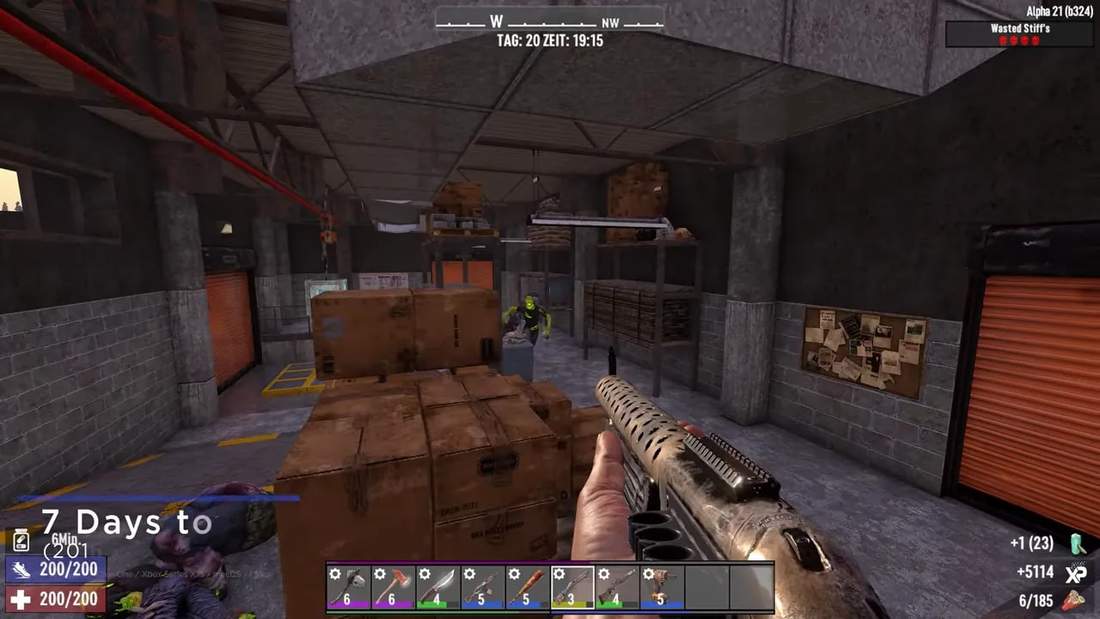
Seven Days to Die is survival, crafting, and tower defense rolled into a zombie apocalypse. By day, you scavenge for food, weapons, and building materials. By night, the horde arrives, and your fortified base becomes the line between life and a “messy death.”
It is a game that forces planning: choke points, trap placements, and supply lines matter. Fortified walls, turrets, and improvised weapons are essential. Exploration is rewarding, but risky. One careless step can summon danger that wipes out days of progress.
Co-op Survival in the Frozen Wild: The Wild Eight
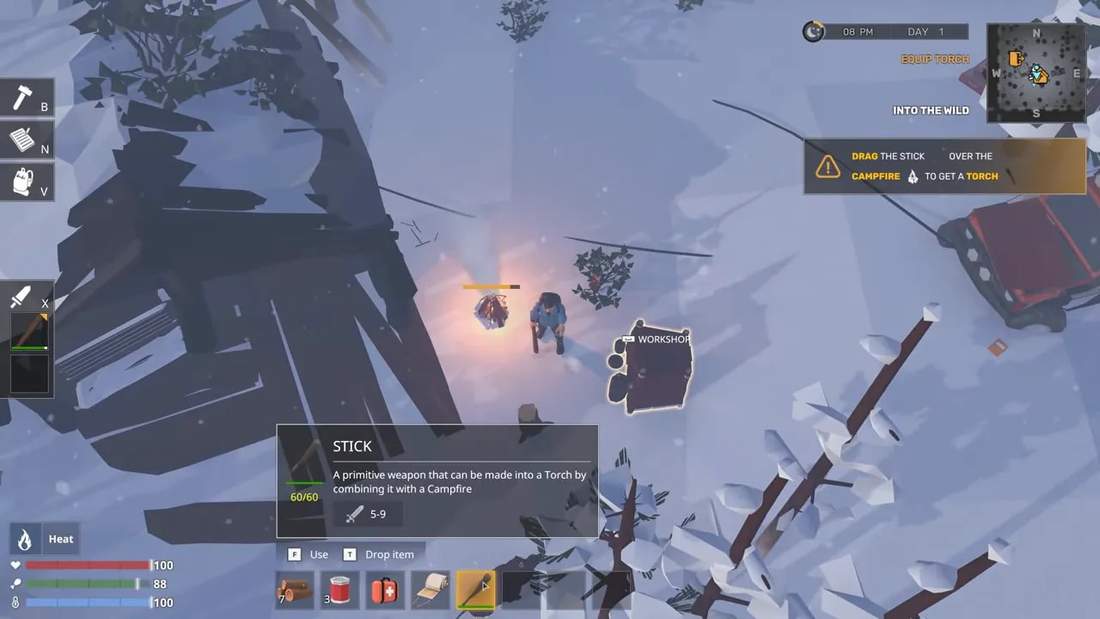
The Wild Eight drops you into the frozen Alaskan wilderness after a plane crash, and you are surviving with up to seven players. It has classic survival loops like crafting tools, building fires, and managing cold, hunger, and injuries.
The magic here is atmosphere and unpredictability. Coordinating tasks, sharing resources, and surviving disasters together makes each session feel different. Emergent events, weather hazards, and hostile wildlife keep pressure high the entire time.
No Combat Gimmicks, Just Nature: The Long Dark
The Long Dark is survival in the Canadian wilderness after a geomagnetic disaster. No zombies, no monsters, just nature. You freeze, starve, or get mauled by wolves. That simplicity is why it hits so hard.
Survival mode is the main attraction, with perma-death across five difficulty levels, from pilgrim easy to brutal. You scavenge abandoned buildings, hunt wildlife, craft clothing from animal hides, and manage calories, warmth, and fatigue. Lighting a fire warms you up, but it consumes matches you cannot replace.
- Regions: Mystery Lake, Coastal Highway, Desolation Point, Pleasant Valley.
- Dynamic weather: blizzards can reduce visibility to zero.
- Optional story mode: episodic story about bush pilot Will McKenzie searching for his ex-wife.
Brutal PvP Survival: Rust
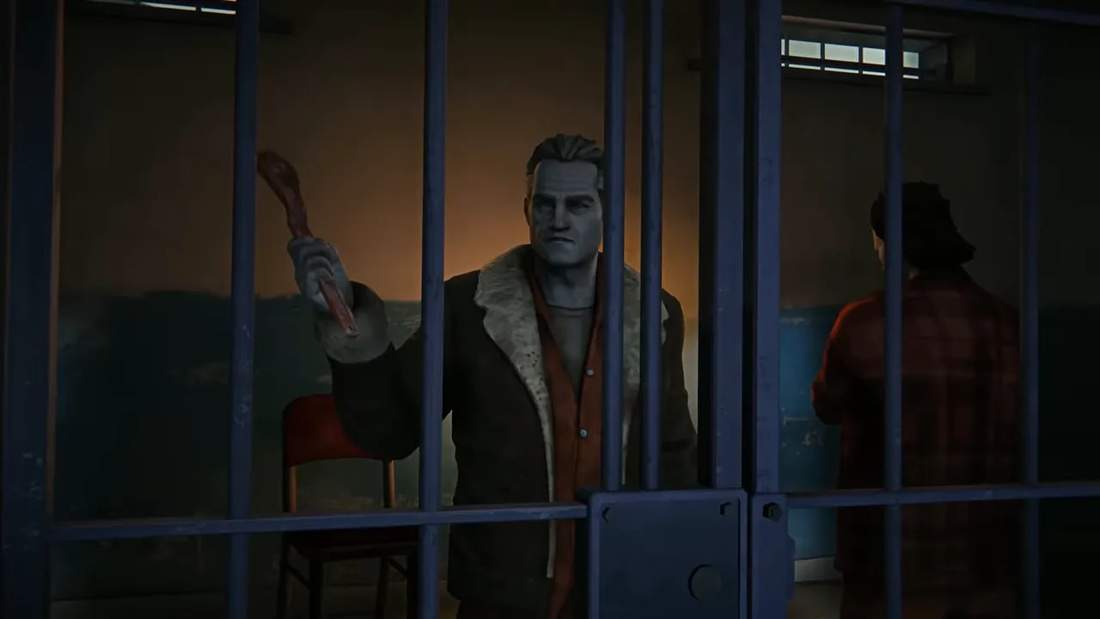
Rust is the “other players are the main threat” version of survival. You spawn naked with a rock and a torch. Other players will kill you, take your stuff, and raid your base. There are no safe zones and no mercy, and trust gets you killed.
The core loop is gather resources, build a base, craft weapons, then either join a clan or prepare to be destroyed by one. Raiding is the endgame: explosives, rockets, and C4 to break into enemy bases and steal loot.
- Wipes: monthly on official servers.
- Progression tiers: from primitive bows and spears to metal armor and rockets.
- Toxic by design: it sold over 12 million copies and is known for chaotic PvP.
- Offline raid risk: losing 40 hours of progress is “normal.”
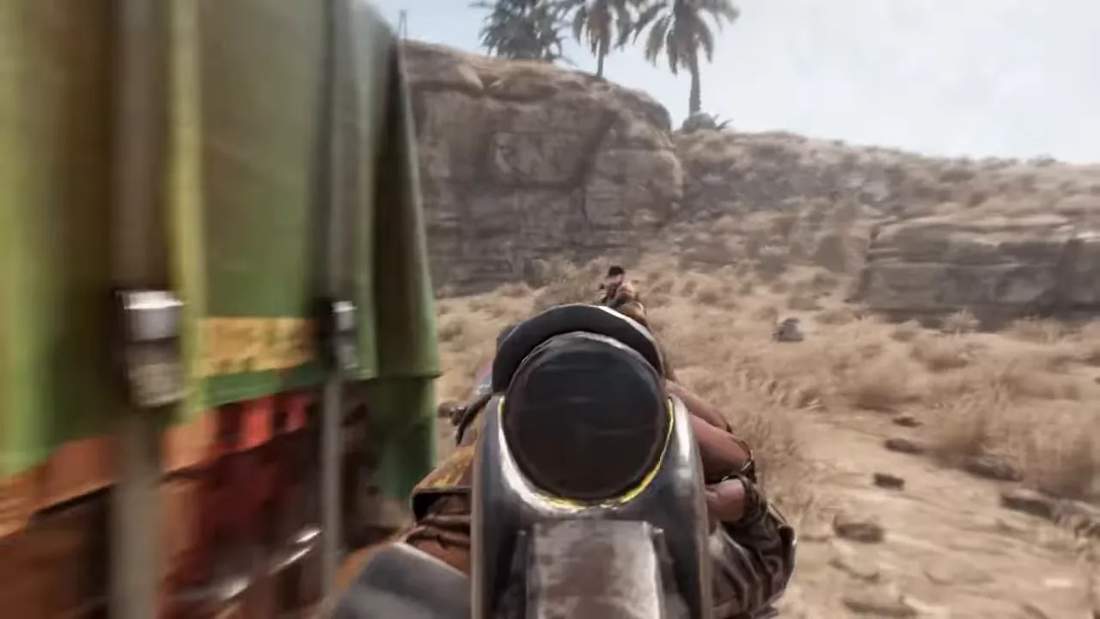
Hardcore Survival With People More Dangerous Than Zombies: DayZ
DayZ is a cult classic for a reason. You spawn on the coast with nothing in a post-S Soviet state overrun by infected. Your job is scavenging towns, avoiding infected, and not getting shot by other players who also want survival, and very likely your beans.
The survival systems run deep: hunger, thirst, temperature, disease, and blood loss. Rotten food makes you sick. Standing in rain too long can lead to hypothermia. If you get shot, you manage wounds, disinfect, and control blood loss. Death is permanent, so you lose gear and start over.
PvP feels tense because encounters can be rare. You might go an hour without seeing anyone, then suddenly you are firefighting over a can of peaches. Trust is a gamble, because teaming up with strangers can end with betrayal for loot.
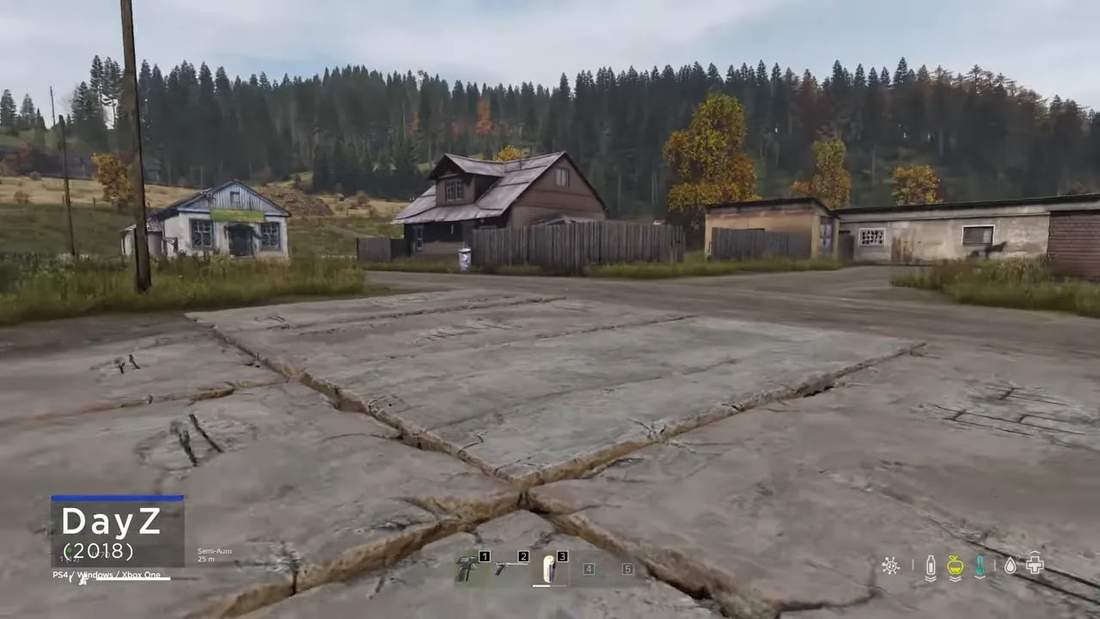
Brutal Desert MMO Energy: Dune Awakening
Dune Awakening is a survival MMO that leans into brutal Arachus-style environmental threat. You deal with blistering sun, deadly sandstorms, and hungry sandworms. You scramble for shade and water and rarely stay in one place for long.
That authenticity also limits base building and makes the world feel relentless and hostile. Combat can lack punch, and bugs pop up, but the alternate history story in a Dune without Paul adds a twist that makes the setting stand out.
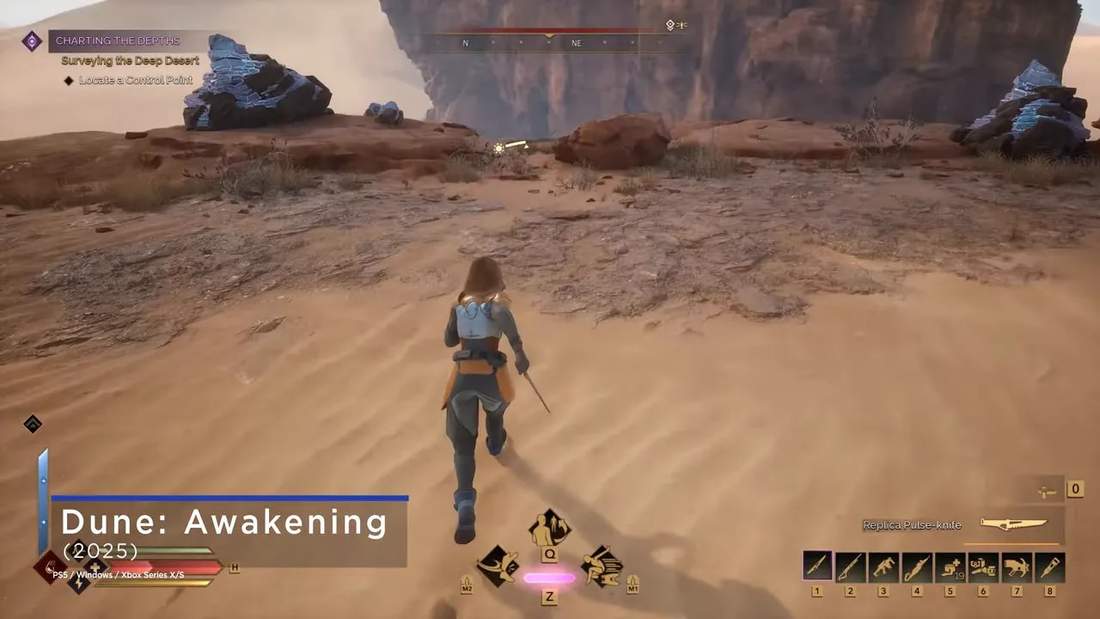
Staying Alive by Staying Sane: Project Zomboid
Project Zomboid is survival that tests your sanity as much as your body. There is no endgame, no miracle cure. Just a slow burning apocalypse and creeping dread that does not really go away. One bite can end your run quickly, but even if you survive initially, you will start realizing how many small things can go wrong.
What makes it especially addictive is how every system behaves with consequences. Everything has weight. Power shuts off. Water stops running. You board up windows, boil water, cook carefully, and try to avoid making noise that brings trouble. If you forget to close a curtain, you basically invite the undead party.
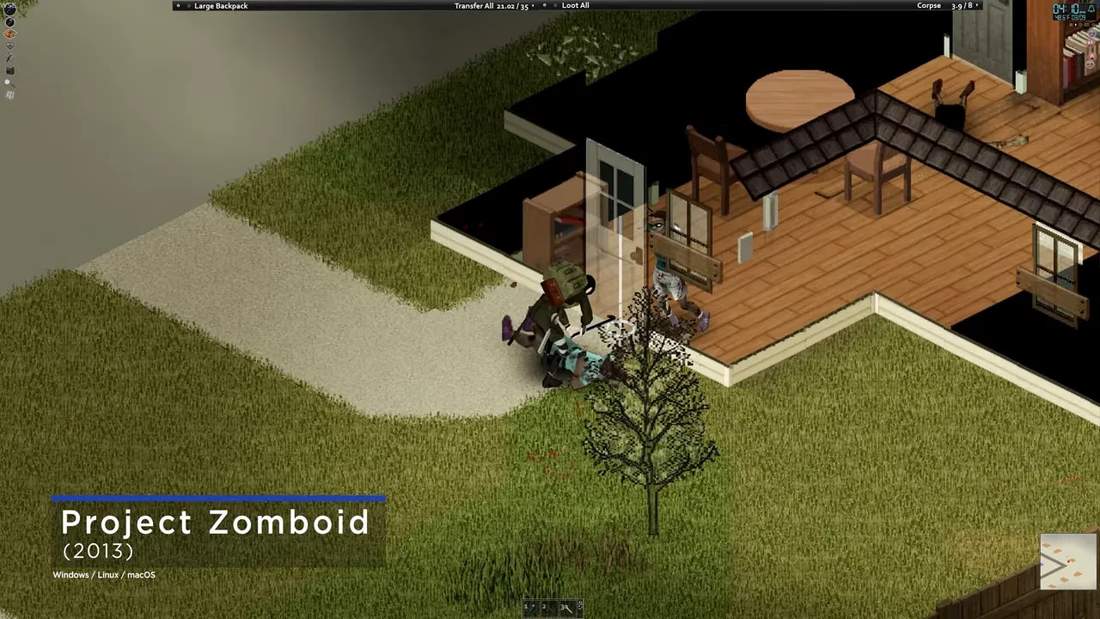
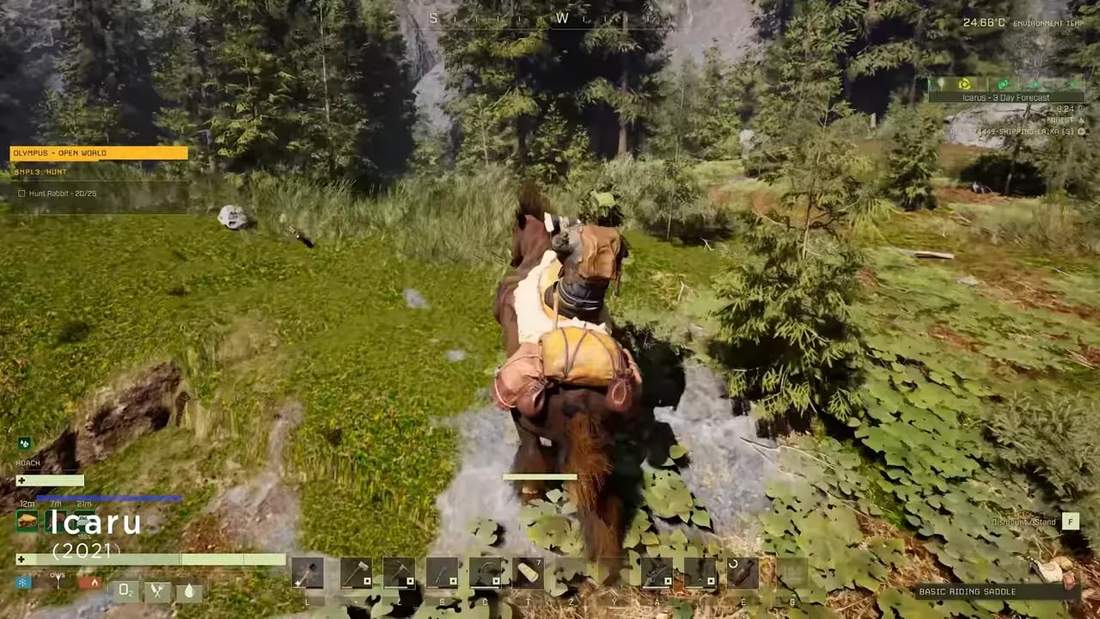
High Stakes PVE With Time Missions: Icarus
Icarus takes realism seriously. It is a brutally unforgiving PVE survival game on a terraformed planet gone wrong. You are dropped from orbit to complete time missions, gather resources, and escape before the clock runs out, or risk losing everything.
The hook is that progression is not only about better tools or a better base. It is also about surviving long enough to bring your knowledge and tech back to the orbital station. That persistent risk makes every trip feel intense.
- Survival mechanics: oxygen, food, temperature, and wildlife stress your preparedness.
- Co-op shines: solo play is less forgiving, but co-op makes teamwork essential.
- Visuals and storms: storms are described as genuinely terrifying.
Escape-Or-Die Loot Runs: Escape from Tarkov
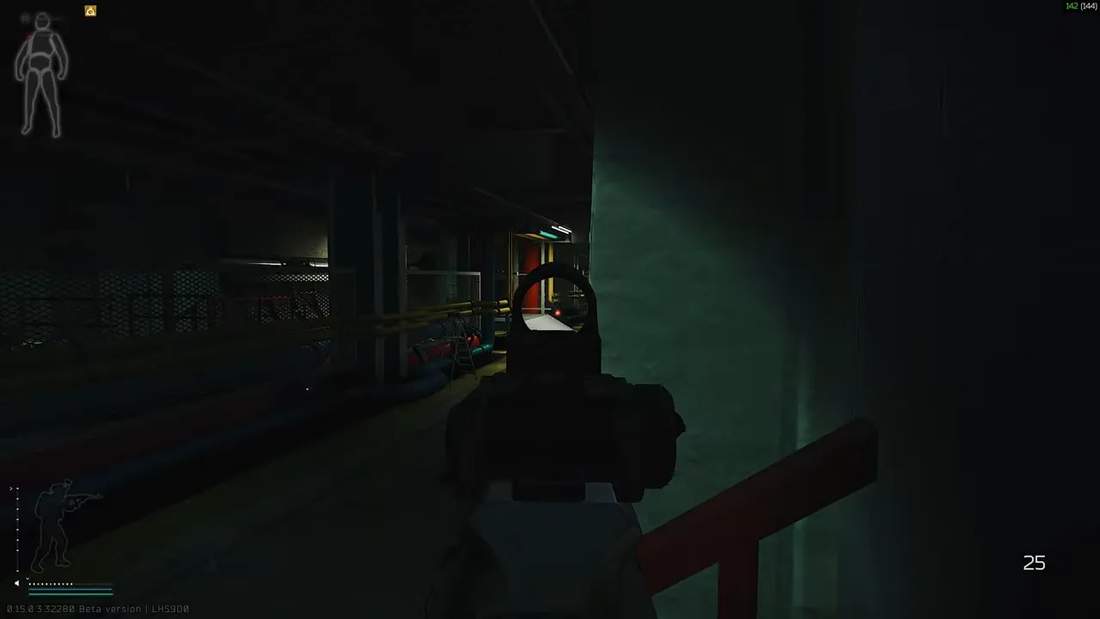
Escape from Tarkov is a survival FPS that plays like a brutal, grittier version of an escape game. Winning is about getting out of massive levels with more stuff than you entered with.
It is less “arcade shooter” and more “pseudo realistic military sim” feeling. Dark corridors, dangerous NPCs, and players who also want to escape turn every run into a tense story. If you can tolerate the brutality and the learning curve, it offers plenty of moments worth telling.
Scale and Variety in Survival Mode: No Man’s Sky
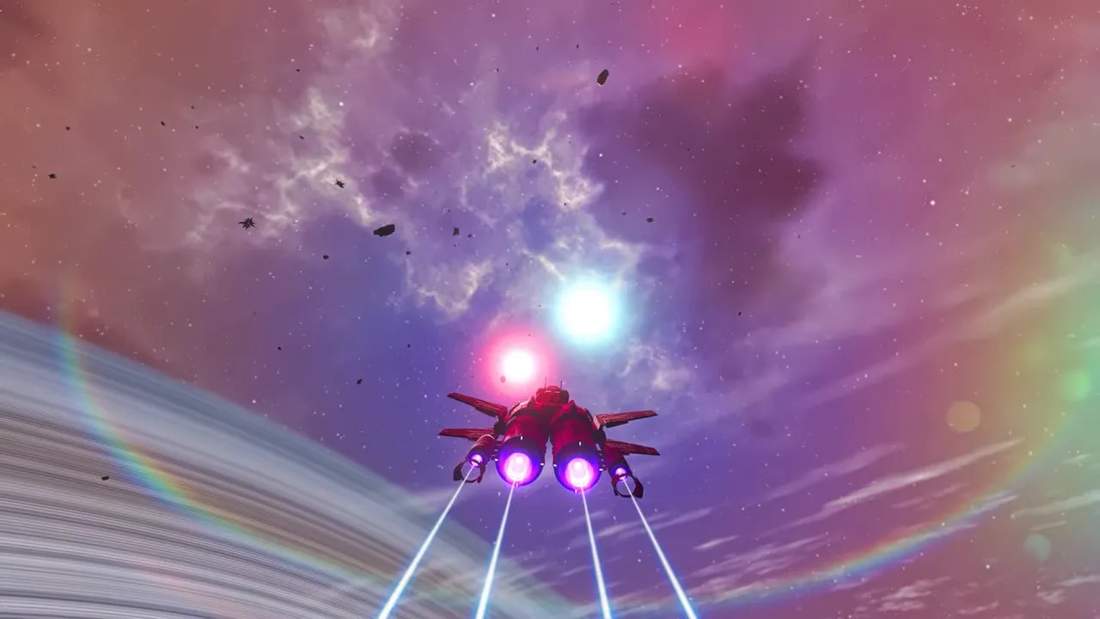
No Man’s Sky is not just about exploring planets anymore. It also offers a survival experience on hostile worlds, where you scramble for resources to build shelter or fuel your next desperate jump across the galaxy.
Updates have expanded the variety: prettier and more varied planets, giant sandworms, mechs to pilot, and pals to partner with. It might not be the single best survival game on this list, but it is hard to beat when it comes to scale and polish.
Creature Factories and Industrial Absurdity: Palworld
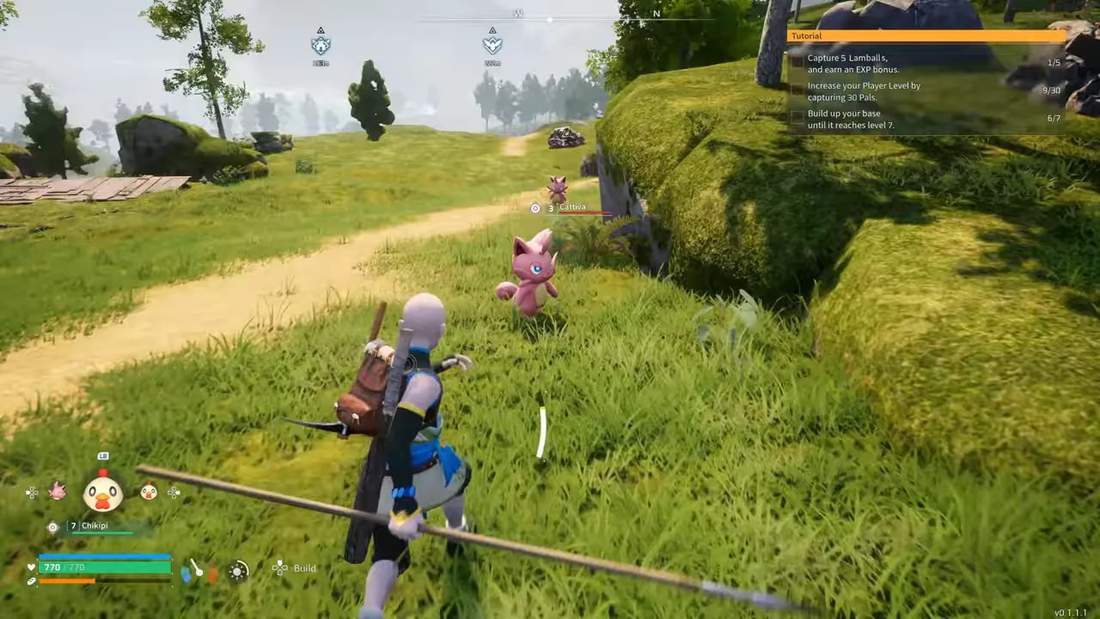
Palworld is chaos in the best way. It is like Pokémon meets survival base building meets firearms, and the internet is constantly arguing about it. Is it balanced? Not really. Does it make sense? Absolutely not.
But it is hilarious, and the absurdity is half the appeal. You catch creatures, sure, but you also put them to work in factories, defend your base, and build an industrial empire off the backs of creatures. If you want “wacky survival” instead of “serious survival,” this one fits.
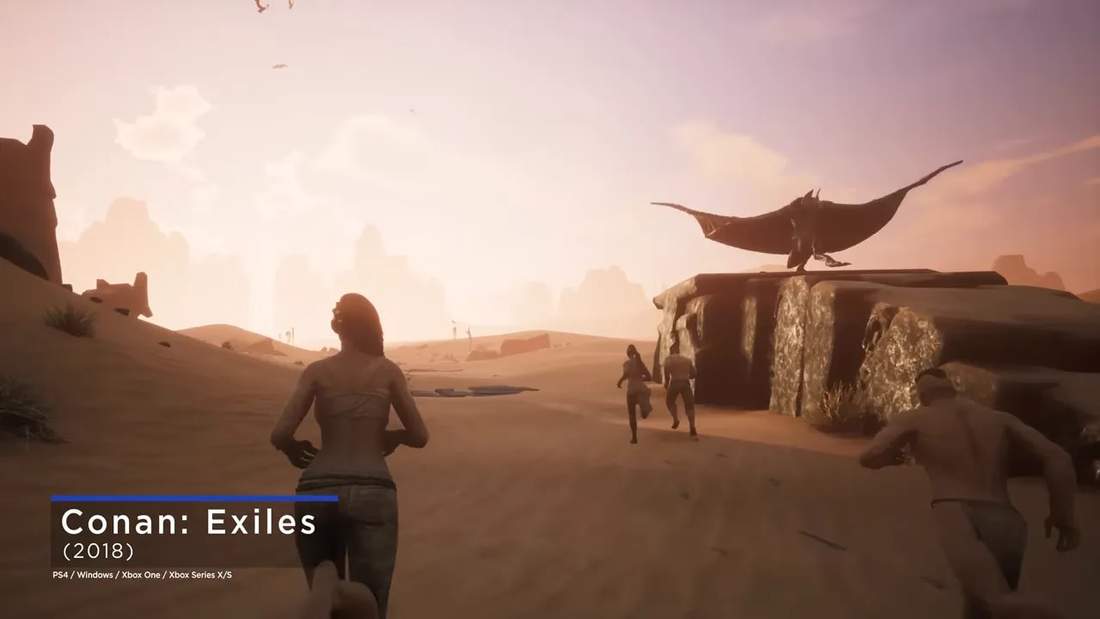
Conan-Style Kingdoms: Conan Exiles
Conan Exiles mixes survival crafting and building with the feeling of Game of Thrones style brutality. You survive in the harsh desert and fight everything from crocodiles to rival factions. And yes, you can build your own kingdom while running around in a loin cloth with a sword.
The game is packed with ways to die, which is part of its charm. But what makes it stand out is the ability to tame and enslave enemies. It is morally questionable, and it is also one of the most memorable parts of the loop.
Co-op Sci-Fi Survival With Portals and Physics Weirdness: Abiotic Factor
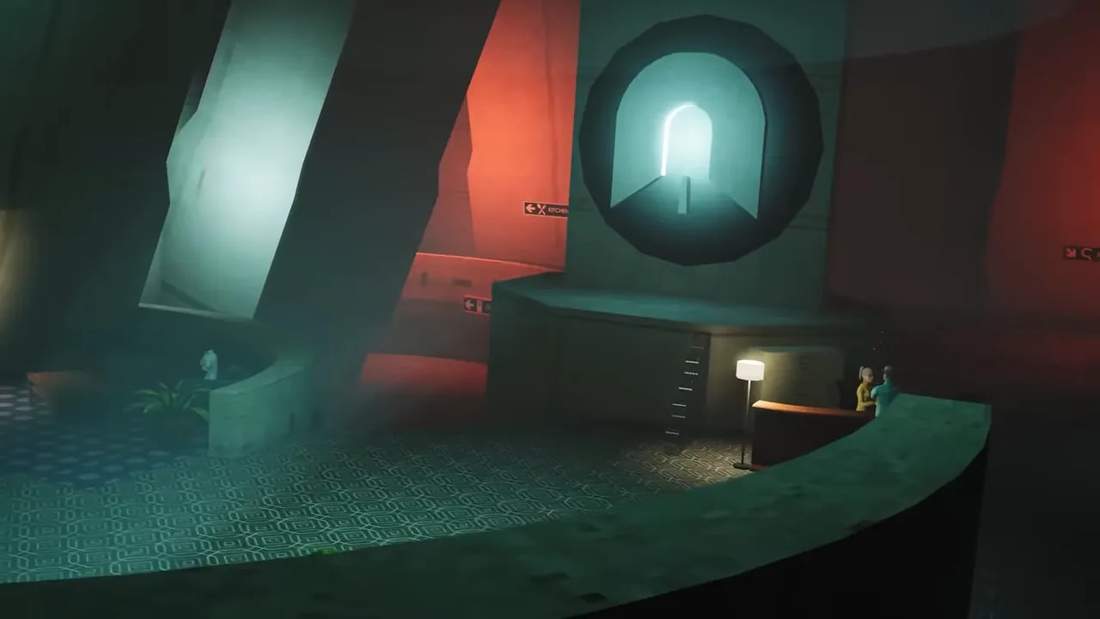
Abiotic Factor is co-op survival set in a top secret research facility gone wrong. Think Halflife meets the forest: you and up to five friends play stranded scientists trying to escape an interdimensional disaster.
The core strength is how classic survival mechanics like scavenging, crafting, and base building get blended with unpredictable anomalies, bizarre creatures, and portals to terrifying realities. One moment you are barricading a lab against mutants, and the next you are dealing with a pocket dimension where physics stops behaving like you expect.
Combat and AI can feel janky sometimes, and some systems need polish, but the variety of encounters and the retrofuturistic sci-fi horror personality keep it engaging.
How I Choose Between Survival Games (Quick Rules That Save Time)
When I am picking from a list like this, I decide fast based on what kind of stress I want. Here is the mental shortcut I use:
- Want exploration as progression? Subnautica, Enshrouded
- Want structured “boss unlocks the world” progression? Valheim
- Want survival horror tension? Sons of the Forest
- Want chaos and emergent stories? Ark, Grounded, Palworld
- Want base defense planning? Seven Days to Die
- Want “nature is the enemy” realism? The Long Dark
- Want PvP where other players are the main threat? Rust, DayZ
- Want co-op teamwork under time pressure? Icarus, Abiotic Factor
- Want escape runs and gritty gunfight stakes? Escape from Tarkov
Final Thoughts
The big reason I like this set of the 20 Best survival Games is that they do not rely on the same cookie-cutter loop. They change what you are afraid of, what you are optimizing for, and what “progress” actually means.
If you tell me whether you want solo, co-op, or PvP, I can narrow this list down to the best 3 options for your exact vibe.
More gaming picks from PopCultDaily: If you want extra recommendations beyond this “best survival games” list, check out the PopCultDaily Gaming category for more guides and editor picks.
Also, for variety similar to the “structured progression” style you see in titles like Valheim, you can browse the site’s latest posts (sitemap feed) to find other survival, RPG, and progression-heavy articles.
And if you’re specifically interested in practical, start-here help, the PopCultDaily beginner guides tag is a good place to start.