When people talk about 12 best isometric RPGs games, they usually name the same handful of giants. But the late 90s and early 2000s were overflowing with ambitious, creative, and sometimes painfully unfinished isometric RPGs that slipped through the cracks. Studios closed, publishers rushed releases, and whole franchises vanished before they could mature.
I still love hunting down those lost gems. Not because they are perfect, but because they often tried something different. Below are twelve isometric RPGs (and isometric action RPGs) that deserve more attention, whether you want clever systems, weird settings, or that big-box PC nostalgia.
Why the era produced so many “forgotten” isometric RPGs
The turning point for CRPGs was rough. Studios shut down, publishers pushed broken titles to market, and even promising sequels got abandoned. The irony is that the same chaos also forced developers to be bold in other ways: class-specific campaign design, seamless open worlds, wild sci-fi shell-world settings, and even “RPG with real history twisted into demons.”
What follows is a mix of triumphant starts, disastrous middles, and the kind of cult followings that only happen when a game is weird enough to be remembered.
1) Nox (February 2000, Westwood Studios)
Vibe: pulp fantasy with a “’90s movie” opening.
Why it stood out: you play Jack Mau, a present-day guy pulled through a dimensional rift into the Lands of Nox. He’s tasked with finding his way home using the mystical Staff of Oblivion.
Nox has a feature I rarely see discussed: Westwood built three entirely different campaigns depending on your chosen class. That means unique levels, storylines, NPCs, and even endings.
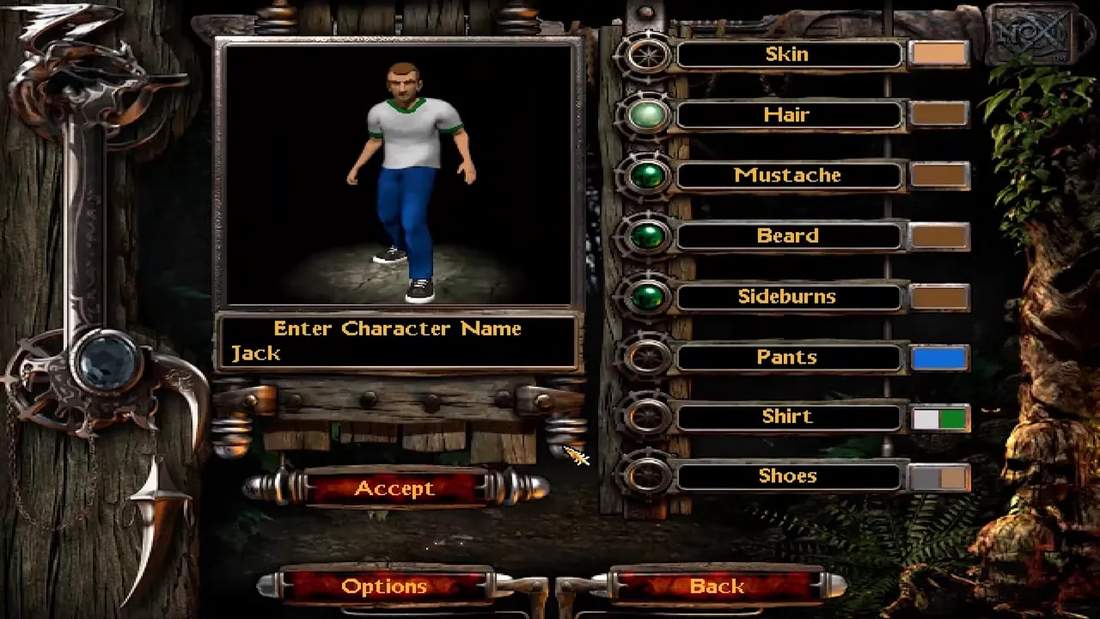
Why it faded: Diablo II arrived just two months later, and Nox never got the spotlight it deserved. Westwood eventually got shut down in 2003 after EA acquired the studio.
2) Lionheart: Legacy of the Crusader (2000, Black Isle Studios)
Vibe: dark fantasy built on real history.
Premise: in an alternative timeline, Richard the Lionheart’s death triggers a magical apocalypse. Sixteenth-century Spain gets flooded with demons, monsters, and chaos.
For the first stretch, Lionheart is genuinely impressive. The Barcelona section is where it really clicks: NPCs reference warped historical events, and you can meet Leonardo da Vinci experimenting with magitech. You also deal with political intrigue, murder investigations, peace brokering between rival groups, and conspiracies tied to demonic possession.
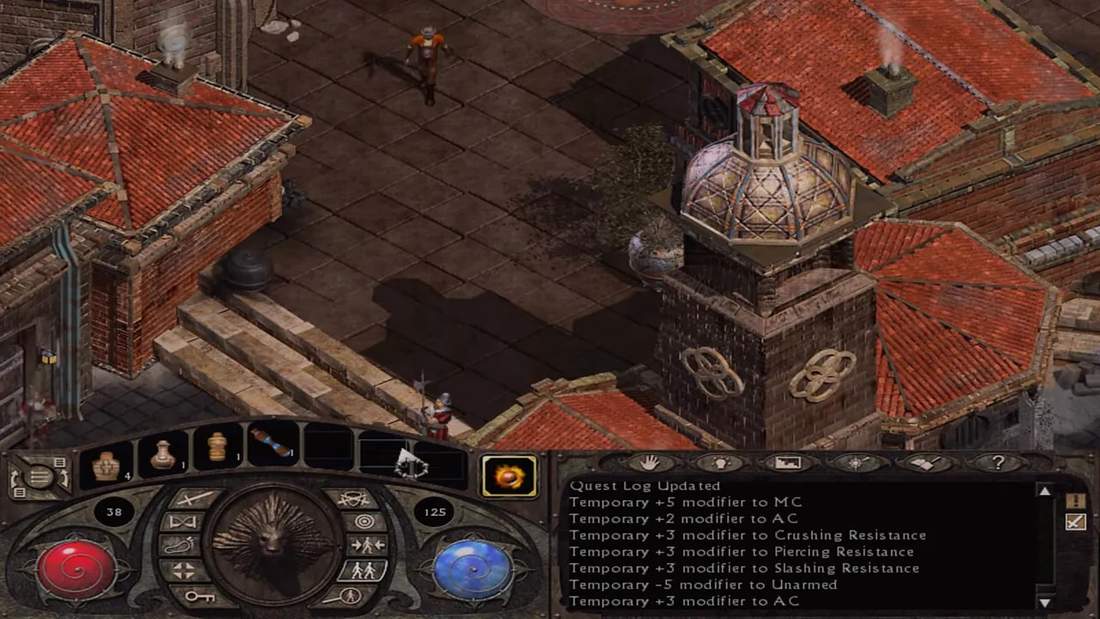
What happened next: after those early acts, Lionheart abandons the branching CRPG structure and turns into a much more generic “failed Diablo clone.” Dialogue trees, factions, and quest branching lose their meaning. It feels like the project ran out of time and focus.
3) Sacred (March 2004, Ascaron Entertainment)
Vibe: “hack your way across an open world” with real freedom.
Big hook: Anaria is a massive world with zero loading screens. For 2004, that seamless approach feels intoxicating.
You pick from six classes and then roam. Want to sprint into high-level areas immediately and get wiped out? You can do that. Or you can follow the main quest and gradually expand your territory.
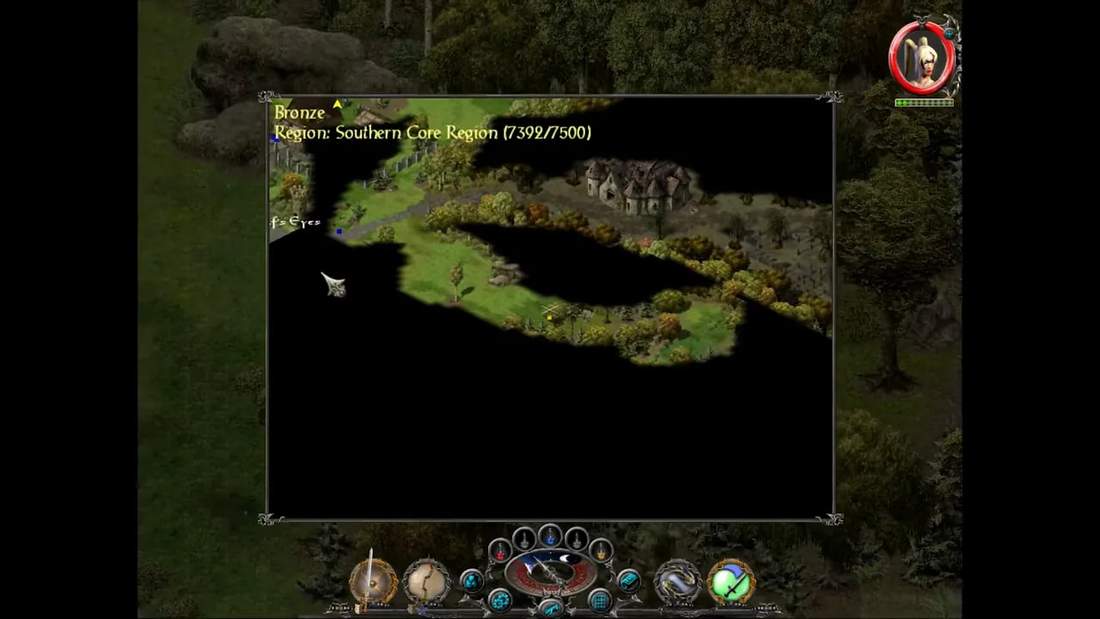
Class examples: angel warrior (Sephim), vampire (life drain and undead), battle mage (elemental spells plus staff combat), and wood elf (nature magic and archery).
The main story is pretty forgettable, but the side quests do better with faction reputation and branching choices. Sacred sold over 400,000 copies in its first year, with a massive German cult following.
4) Septerra Core: Legacy of the Creator (October 1999, Valkyrie Studios)
Vibe: cyberpunk meets steampunk with bioorganic machinery.
Premise: the world of Septerra is made of seven massive shell worlds rotating around a central biomput core called the Legacy.
You play Maya, a junker scavenger from Shell 5, pulled into a conspiracy involving a warlord searching for ancient technology to reach the core.
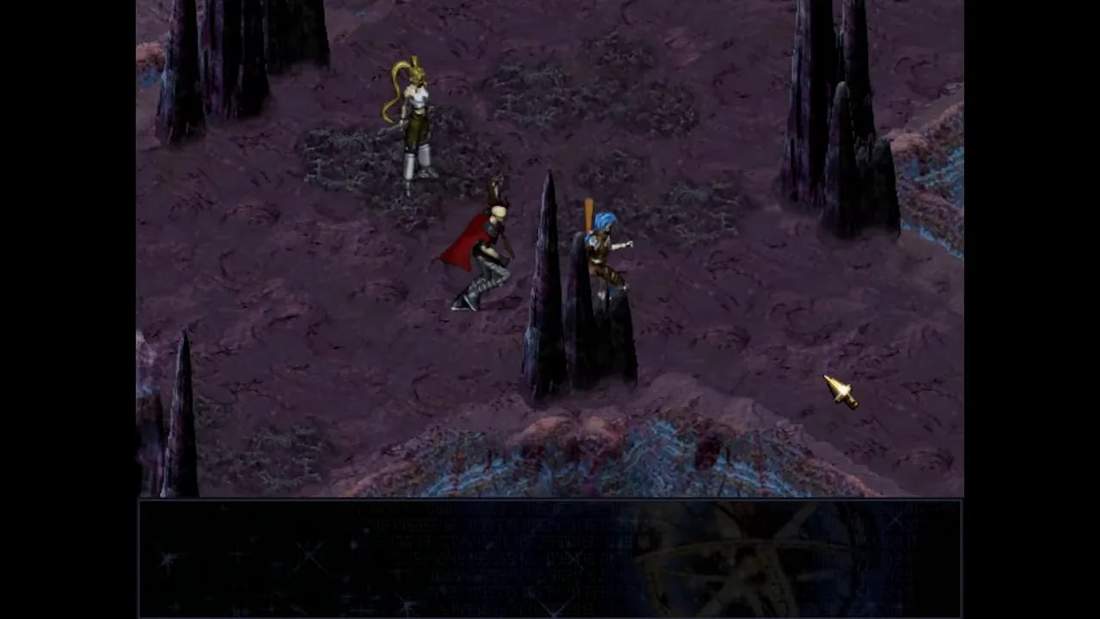
Why it’s memorable: each shell has a distinct culture and identity. Shell 1 is crystalline religious zealotry. Shell 2 is floating sky cities for elites. Shell 5 is junkyards with desperate scavengers. Each one feels like its own political ecosystem.
Combat borrows the spirit of Chrono Trigger with active time battle and combo mechanics. The main downside: loading times could be brutal on release, and Valkyrie Studios closed after this was their only game.
5) Revenant (1999, Cinematic Studios)
Vibe: pulpy demon cult rescue with surprisingly modern-feeling combat.
Story: you play Lo Dranum, an ancient warrior resurrected to rescue a kidnapped princess from a demon cult on the island of Aulion.
Revenant’s combat system was legitimately innovative for 1999: combo-based action, enemy-specific fatalities, and finishing moves that change depending on who you are fighting. The animations are fluid and responsive, and the game lets you dodge, parry, and chain attacks into devastating combos.
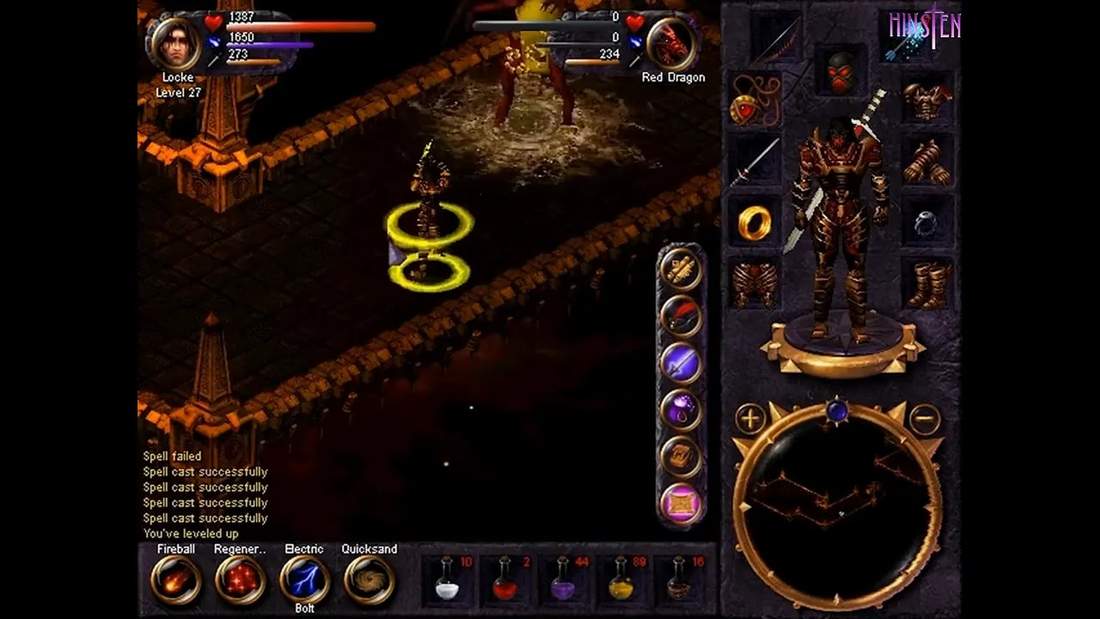
Armor customization: a standout feature. Mix and match gloves, boots, body armor, and helmets for both looks and stats. Most RPGs ignored that kind of visual variety at the time.
Why it got buried: budget cuts hit hard when the publisher side got financially messy. The second half turns into a rushed dungeon crawl with copy-pasted environments, and reviews were mediocre. Still, it’s worth playing as a completionist collectible.
6) Arcanum: Of Steamworks and Magick Obscura (2001, Troika Games)
Vibe: steampunk RPG with technology versus magic baked into everything.
Arcanum is set in 1885. Magic has ruled for millennia, but 150 years ago the industrial revolution began. That tension is more than theme. It directly affects shops, quests, and solutions.
If your tech aptitude clashes with a shop’s specialty, they might refuse service. Even quest outcomes can vary based on whether you approach as a technologist or a mage.
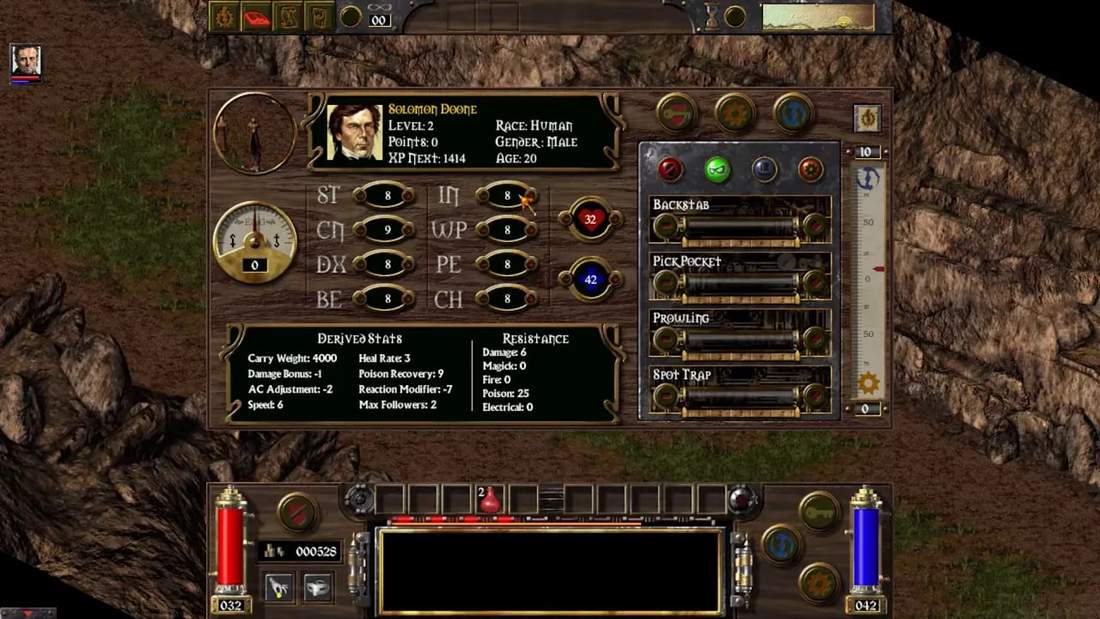
Tradeoff: combat by 2001 standards is rough, and the game was rushed out due to publisher deadlines. Still, the orchestral soundtrack and huge variety make it memorable. Also, the class-and-lore manual included in the big box was famously thick.
7) Throne of Darkness (2001, Click Entertainment)
Vibe: feudal Japan Diablo-like action… with four characters at once.
Most isometric games let you control one character. Throne of Darkness says “what if you controlled four samurai simultaneously?”
You switch between them in real time while the AI handles the others. Your party is built from seven archetypes including ninja, swordsman, archer, berserker, wizard, and yes, even a class called brick.
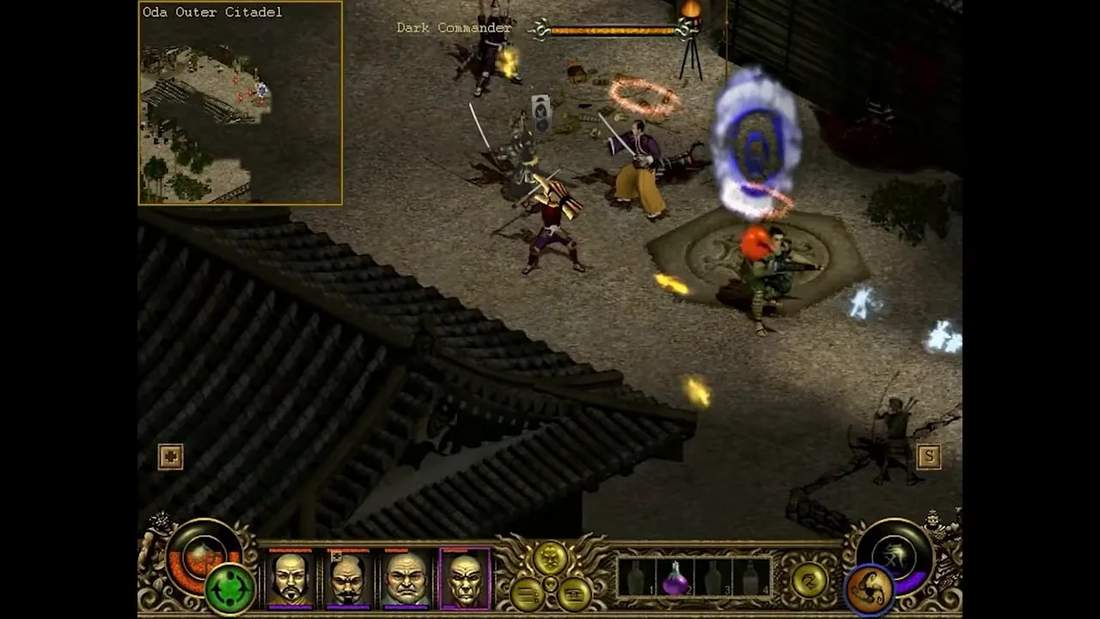
The aesthetic is Sangoku-period Japan with demons and Yo-kai replacing Diablo-style western monsters. Loot is Diablo-ish with randomized katanas, armor sets, and magical items.
Why it didn’t land: the complexity didn’t quite work in practice, it sold poorly, and Click Entertainment never made another game. Today it’s abandonware and often needs fan patches to run on modern systems.
8) Kult: Heretic Kingdoms (November 2004, 3D People)
Vibe: church-state oppression, gothic atmosphere, and a “souls for powers” twist.
In Kult, you play Alita, a female inquisitor hunting heretics in a world where the Church has banned all gods and magic is punishable by death.
The big mechanic: you can absorb the souls of enemies and temporarily become them. That means you can use their abilities against your foes. Transform into a demon for fire magic, become a warrior for melee skills, or shift into a mage ghost for spells.
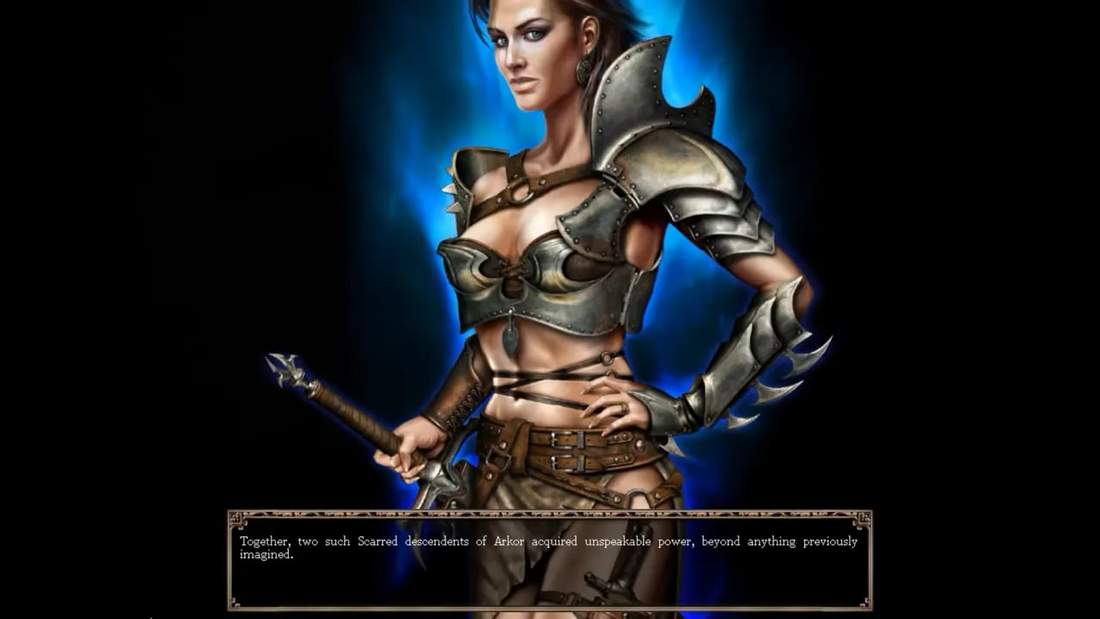
It’s like a darker mashup of Pokémon and Diablo, and the story is surprisingly heavy. Gothic, oppressive religious imagery carries the linear but atmospheric world design.
Reviews were mixed, but later RPGs borrowed ideas from it, including Obsidian’s Tyranny-style themes of conquest and moral complexity.
9) Tyranny (2016, Obsidian Entertainment)
Vibe: moral complexity and faction-based reputation.
Tyranny is the one on this list that feels more modern while still being “underappreciated.” It launched with strong critical praise but never fully broke into mainstream popularity.
The premise is what separates it immediately. The dark overlord Chyros has conquered the known world. The age of heroes resisting tyranny is over. You play as a fate binder, a high-ranking officer and judge within the empire.
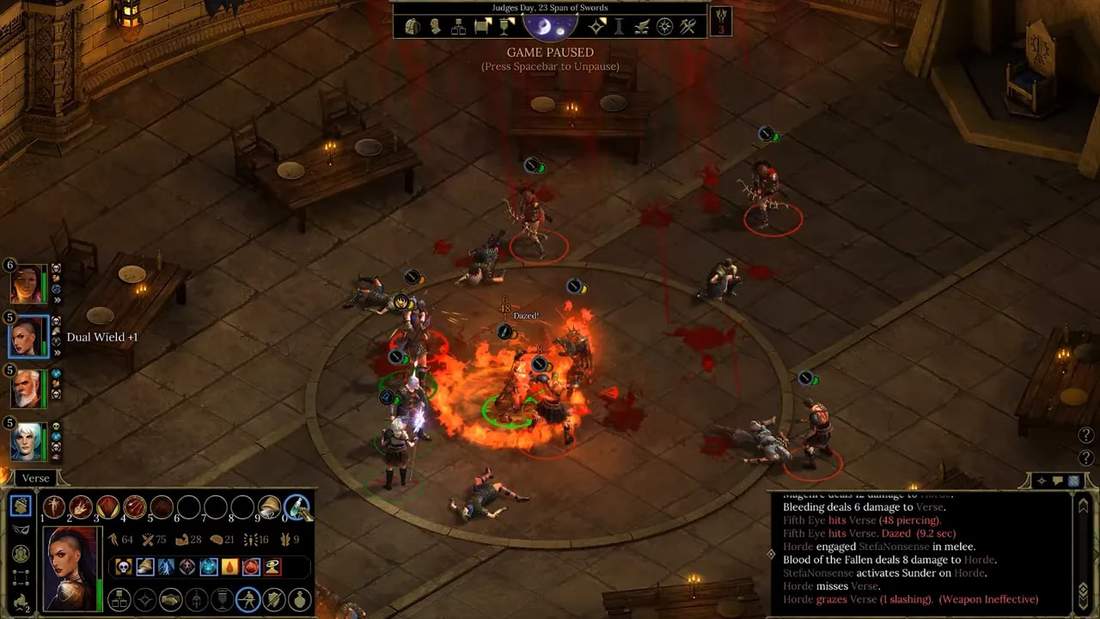
Instead of a simple good versus evil meter, Tyranny tracks reputation individually with each faction and companion. Combat is real-time with pause and feels like Pillars of Eternity.
Why it’s “time forgot” worthy: it’s shorter than many RPGs, which partly reflects development issues, but what exists is tight and purposeful. There’s also a chessboard-style strategy layer that can be off-putting to pure RPG players, but it adds a grand strategy bite.
10) The Temple of Elemental Evil (September 2003, Troika Games)
Vibe: tactical Dungeons and Dragons at its most faithful.
After Arcanum, Troika adapted Gary Gygax’s 1985 Dungeons and Dragons module into what many consider the most rules-faithful implementation of D&D gameplay.
You investigate a temple near the village of Homlet and uncover a cult trying to unleash elemental evil and destroy the region.
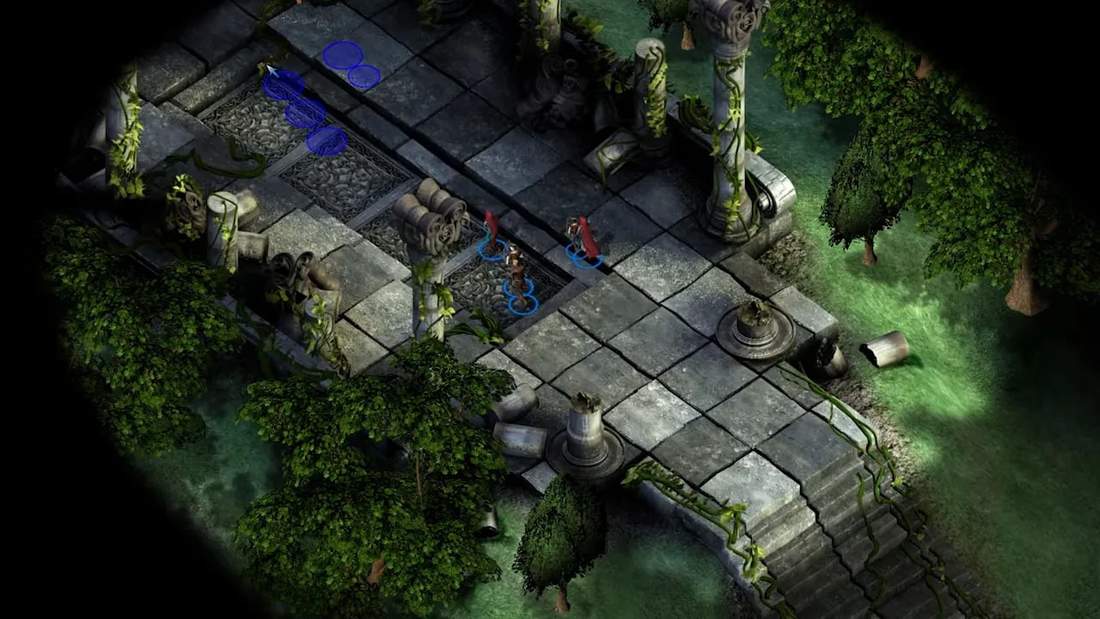
Combat highlight: every Dungeons and Dragons 3.5 rule is implemented. The problem was the launch state. The game released catastrophically broken, and critics panned it.
Then modders saved it. The Circle of Eight fan patch spent years fixing bugs, restoring cut content, adding quests, and making it playable. In 2025, Beam Dog remastered it with enhanced edition technology, updating UI, widescreen support, and quality-of-life features.
11) Fallout Tactics: Brotherhood of Steel (2001, Interplay, Micro Fort)
Vibe: tactical squad combat in the Fallout wasteland… with controversy.
By the late 90s, the original Fallout games from Black Isle were stone-cold classics: deep narrative-driven isometric RPGs with darkly comic post-apocalyptic America.
So when a third Fallout launched in 2001 and turned into a squad-based tactical game, expectations collided with reality.
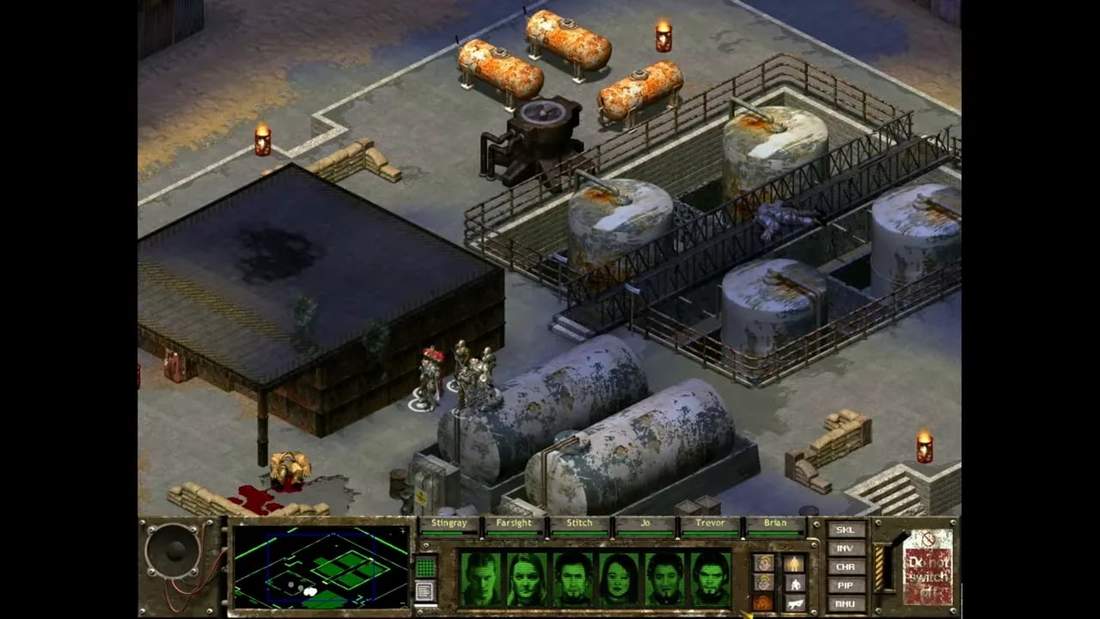
You stop being a lone wanderer carving your path. You’re a recruit in the Brotherhood of Steel, running missions and managing a squad. Some purists were furious, saying the writing lacked the original wit and depth and that meaningful choices were missing.
Still, the tactical combat is genuinely deep. The isometric turn-based and real-time modes give flexibility, and difficulty can be brutal late-game, punishing careless play while rewarding smart tactics.
12) Divine Divinity (September 2002, Larian Studios)
Vibe: Diablo II combat meets Ultima-like freedom and environmental interactions.
Divine Divinity was Larian Studios’ first game, and it did something smart by borrowing Diablo II’s combat and mixing it with player freedom and environmental interaction closer to Ultima 7.
You start with three class paths: warrior, survivor, and wizard, but you’re not locked into one. Later, you can mix and match abilities.
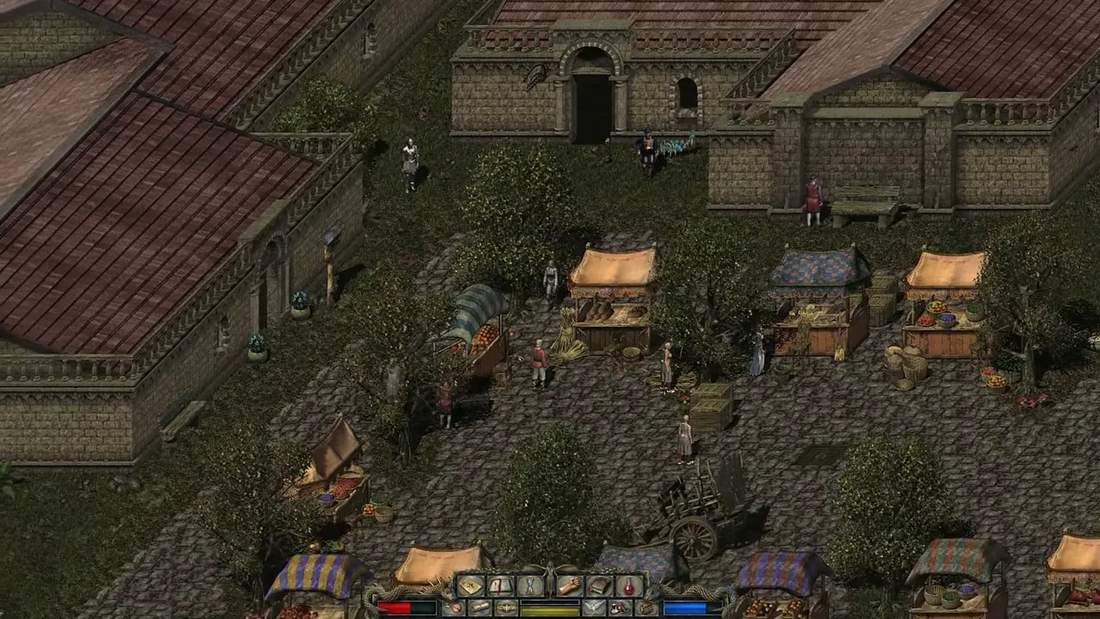
Almost every object can be picked up. You can stack boxes to climb walls and combine items to create potions and tools. Need examples? Poison a well and NPCs who drink get sick. Light oil barrels on fire in combat. It’s wonderfully chaotic.
Voice acting is comically bad, and pacing falls apart after act two when open world exploration disappears. Still, reviews were positive despite the jank, it sold well enough for sequels, and it’s a direct ancestor of the studio that later built Baldur’s Gate 3.
Bonus: how to actually play these games today
Some of these are easy to find on modern platforms. Others are big-box collectors’ territory, and a few require fan patches due to age and compatibility.
If you’re trying to build your own library, I’d prioritize:
- Steam or Good Old Games for modern compatibility.
- Fan patch communities when a title is abandonware or out of print.
- Physical big-box hunting for the era-correct experience, especially games like Nox that had a healthy print run.
Final thought: “time forgot” doesn’t mean “time wasted”
The 12 best isometric RPGs games that time forgot share a common thread: they tried to do something distinctive, even when the market and the business side didn’t cooperate. Sometimes the early acts are incredible. Sometimes the second half collapses. Sometimes the combat is genius but the release is broken.
And honestly, that’s exactly why they’re worth digging up. If you like isometric RPGs for their identity and experimentation, these titles are full of it.
How to dig deeper (and find similar lists)
If you enjoyed this rundown of forgotten isometric RPGs, you might also like our broader archive of gaming posts on gaming—including guides, reviews, and “what went wrong” style breakdowns. You can also browse more from this author on the author.
For readers who want more bite-sized picks, check the site’s recent posts feed via recent entries, or jump to the structured list of gaming category pages from categories.
Bonus: player-friendly way to “start today”
Building a backlog is easier if you follow a simple “starter first” approach—if you’re curious how we do that for other titles, see our beginner’s guide for a model of checklist-style advice you can adapt to older games.