
I’ve dug so deep into the city-building genre at this point that I keep unearthing games almost nobody seems to be talking about. And that is always a good sign.
With thousands of simulation games in development, the obvious names get all the oxygen, while some genuinely interesting projects sit quietly on storefronts waiting to be discovered. These five upcoming city builders are exactly that kind of find. They are new, unusual, and each one is trying to do something a little different, whether that means vertical survival on mist-covered mountains, a stark one-bit narrative experiment, a crow civilization, a magical village sim, or a creature-collecting town builder that feels like it is borrowing from a very familiar fantasy.
Not all of these are guaranteed hits. City building is a genre where potential and execution can end up miles apart. But every game here has something worth paying attention to.
1. Above: Colonies of the Mist
Above: Colonies of the Mist immediately stands out because of its setting. This is a survival city builder where humanity is stranded on the tops of mountains and plateaus in a world consumed by mist. Your goal is not just to survive, but to expand, explore ancient monuments, and eventually discover a way out before the mist claims everything.
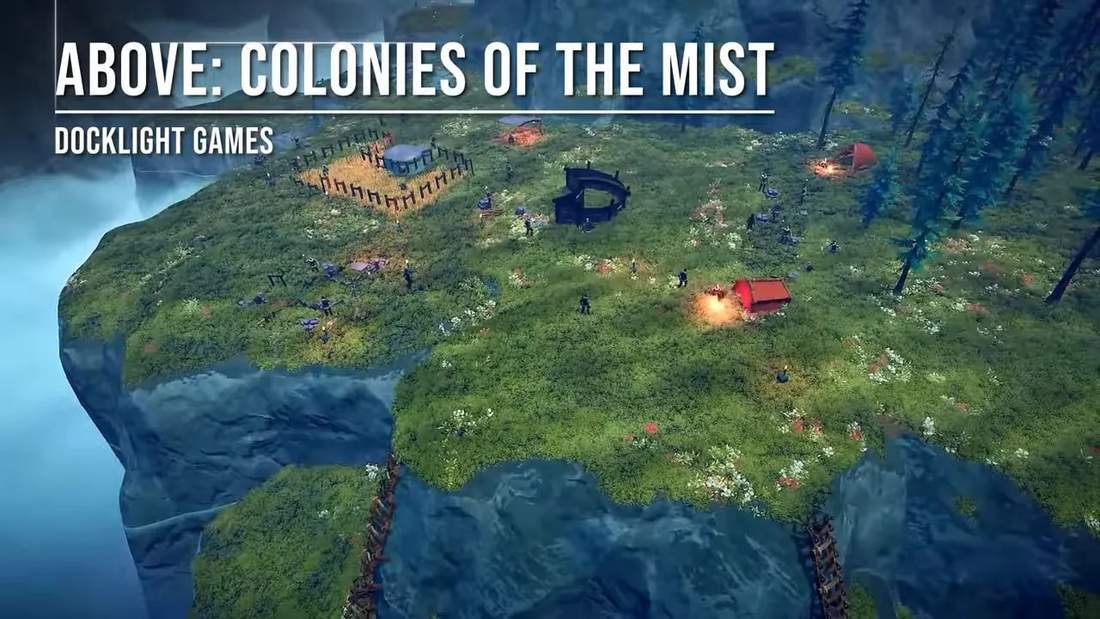
The core fantasy here is compelling. Rather than building one tidy settlement on flat land, you are establishing multiple colonies across dangerous high-altitude terrain. Those settlements are then linked together with aerial trams and similar transport systems, creating a network of interconnected mountaintop communities.
That multi-settlement structure is one of the most interesting parts of the pitch. Instead of a single city doing everything, the game seems built around the idea of specialization and connection. One colony might support another. One mountain outpost might provide access to resources that another needs to survive. That kind of interdependence can add a lot of strategic texture if it is handled well.
It also taps into another strong trend in modern city builders: vertical construction. A lot of recent games are moving away from pure horizontal expansion and leaning into layered, stacked, upward development. Above appears to embrace that fully, asking you to build up, build around harsh terrain, and balance the needs of a settlement where space and safety are never simple.
Because this is also a survival city builder, environmental pressure matters. The mist is not just scenery. It is an active threat, and the weather is described as dynamic and unpredictable. That means adaptation is part of the experience. You are not simply optimizing production chains in peace. You are improvising under pressure while trying to keep people alive.
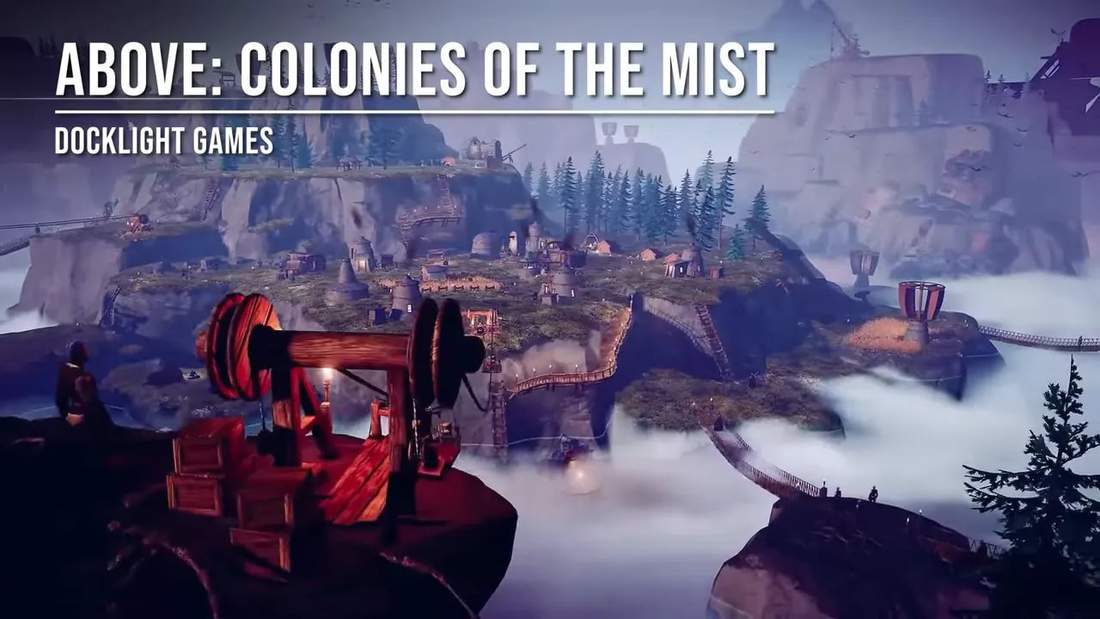
There is also a mystery layer running through the whole thing. As you survive and expand, you uncover what is really happening in this world, searching ancient mountainsides and monuments for secrets, knowledge, and resources. So the game is not only about city management, but also about discovery and escape.
Why it matters:
- Survival city building remains one of the most popular subgenres.
- Multiple connected settlements can create more interesting logistics than a single-city format.
- Vertical construction fits the mountain setting naturally rather than feeling gimmicky.
- Mystery and exploration give the management loop a larger purpose.
If it lands the atmosphere and makes those colony connections meaningful, Above: Colonies of the Mist could end up being one of the more fascinating takes on the genre.
2. GlagStone
GlagStone is probably the boldest stylistic swing on this list. It calls itself a one-bit story-driven city builder, which tells you two things immediately.
First, this game is going for an extreme visual identity. Second, it is trying to push narrative harder than most city builders do.
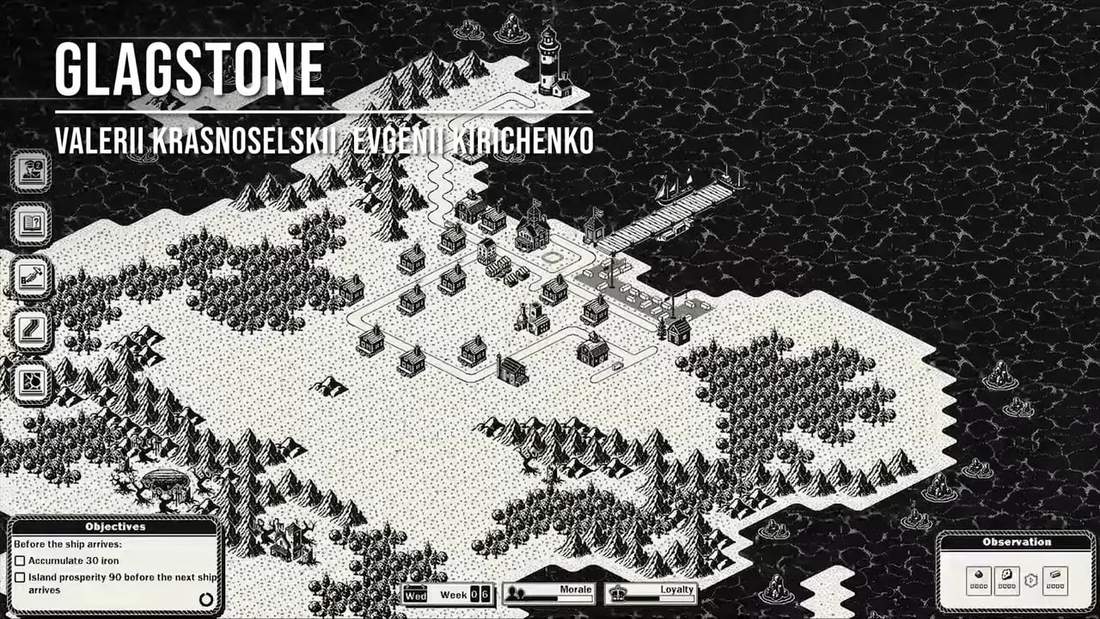
The look is stark black and white, and reactions to it are almost guaranteed to be split. For some people it will be beautiful. For others it may be physically unpleasant to look at for long stretches. That is just the reality of such a severe art direction. But whether you love it or hate it, it absolutely stands out.
The premise places you on a remote northern island where the lighthouse has failed and the settlement is in rough shape. Your job is to repair, rebuild, and bring the town back to working order. But this is not a cozy little restoration tale. The island sits between warring nations, and both the sea and the environment seem packed with danger and mystery.
That gives GlagStone a very different emotional tone from the average city builder. This is not about cheerful expansion or efficient zoning. It is about holding together a struggling settlement in a hostile place.
The game appears to put a heavy emphasis on story beats, notes, letters, and personal interactions. You are not just laying roads and placing service buildings. You are also getting to know the residents, each with their own needs, losses, requests, and desires. Earning their trust becomes part of successfully managing the town.
That matters because narrative city builders often live or die on whether the population feels like people rather than statistics. GlagStone seems very aware of that. Its promise is that the settlement is made up of individuals carrying hardship, and your decisions affect them in ways that are not always clean or comfortable.
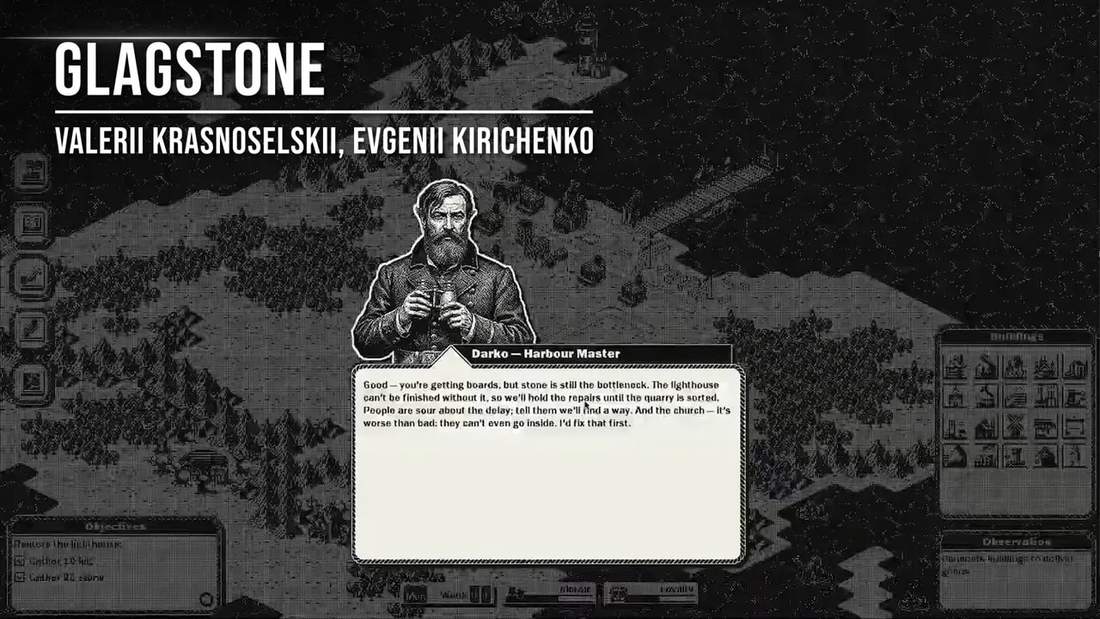
The pressure comes from having to make choices in a world defined by war, uncertainty, and unknown forces. Not every decision will benefit everyone. And honestly, that tension is exactly what could make this game memorable. A lot of city builders present challenges as numerical problems. GlagStone seems interested in making them moral and social problems too.
What makes GlagStone worth tracking:
- An unusually strong visual identity that is impossible to mistake for anything else.
- A narrative-first structure in a genre that often treats story as an afterthought.
- Resident-focused management where trust and personal needs matter.
- Pressure-driven decision making shaped by hardship, war, and mystery.
Not many city builders aim this hard at mood and storytelling. Even if the one-bit presentation is not for everyone, the concept itself is refreshingly different.
3. Crowded: A Crow City Builder
Then there is Crowded: A Crow City Builder, which is exactly the kind of title that makes me stop and pay attention.
This is a city-building game where your citizens are corvids. Sentient crows. You are constructing nests and structures high in the trees, exploring the skies, scavenging for resources, and creating an intricate network of crow civilization.
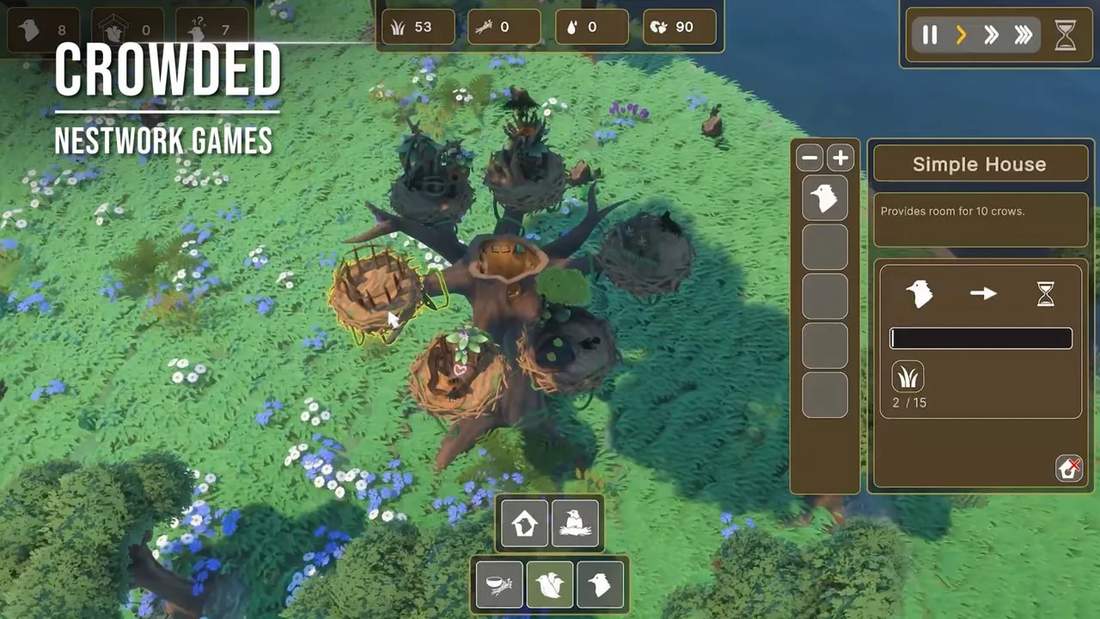
That alone is enough to earn a second look, because animal-themed city builders often end up feeling like standard human management sims wearing a different skin. The real question is whether the animal theme actually changes how the game works.
That is the challenge Crowded needs to overcome. If it truly builds its systems around how crows might think, move, gather, store, expand, and interact with the environment, then it could be something genuinely original. If it is just “humans, but they look like crows,” then the novelty will wear off quickly.
The game is said to be inspired by real-life crows, which is promising. Crows are intelligent, adaptable, social, and famously good at interacting with objects and environments in clever ways. That makes them a surprisingly strong foundation for a management sim. There is a lot of room here for gameplay built around scavenging, aerial movement, elevated settlement design, and perhaps even evolving new skills and enhancements as your flock develops.
Visually, my first impression is that it looks a bit dated. That may or may not matter. Plenty of games survive rough visuals if the central systems are interesting enough. In a concept-driven city builder like this, the mechanics are what need to carry the experience.
If Crowded leans hard into its premise, it has a lot going for it:
- A truly unusual setting built around intelligent corvids.
- Tree-top and sky-based city design instead of conventional ground-level planning.
- Resource scavenging that fits the species fantasy naturally.
- Potentially species-specific gameplay if it avoids being just a reskin.
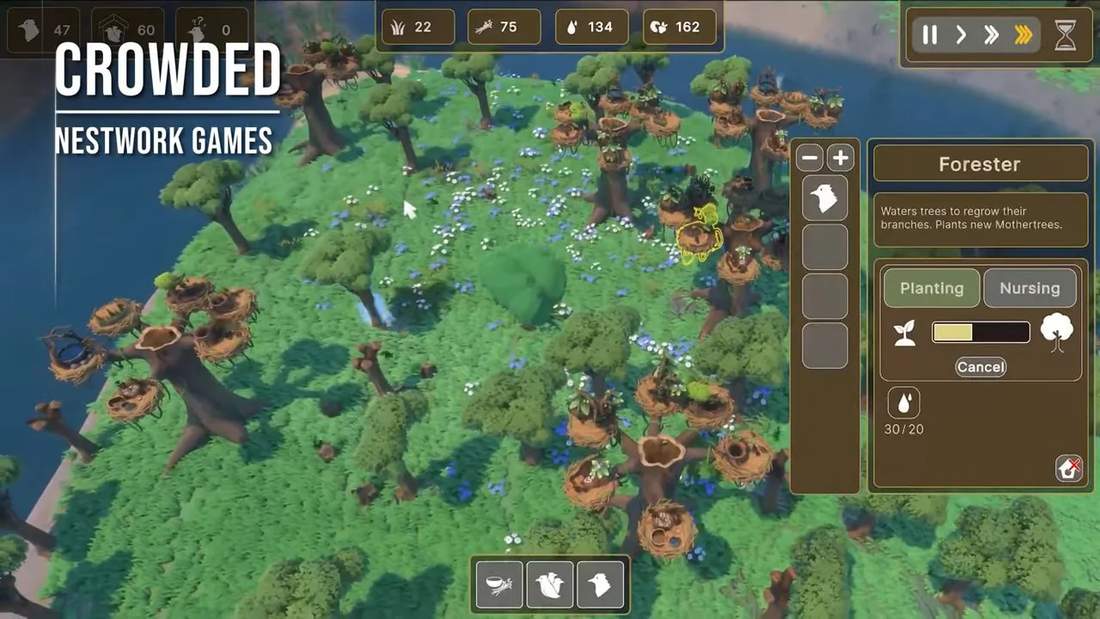
This is probably the most niche game on the list. You may need to already like crows to fully buy into it. But if the idea of a crow society simulator makes immediate sense to you, then this could be one of those wonderful oddball projects the genre desperately needs more of.
4. Spiritstead
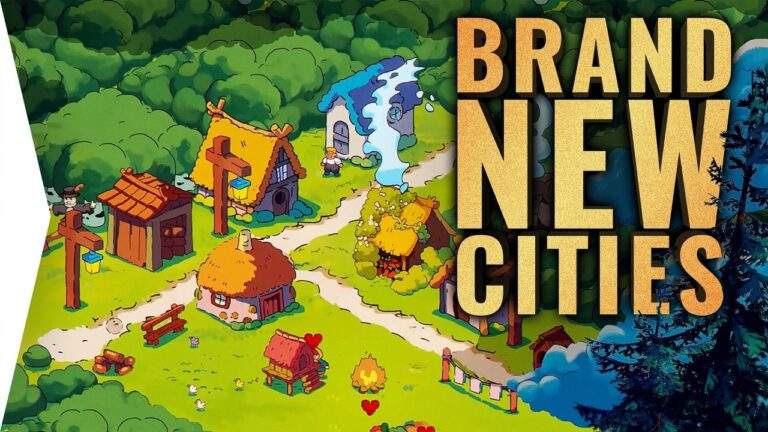
Spiritstead shifts the tone completely. After mountain survival, northern hardship, and crow engineering, this one is the calm, charming option.
It is a magical village builder where you create a town full of life and wonder, care for villagers, decorate the environment, and discover hidden spirits that help the settlement grow. The immediate appeal here is obvious. It looks warm, inviting, and designed to be pleasant to spend time in.
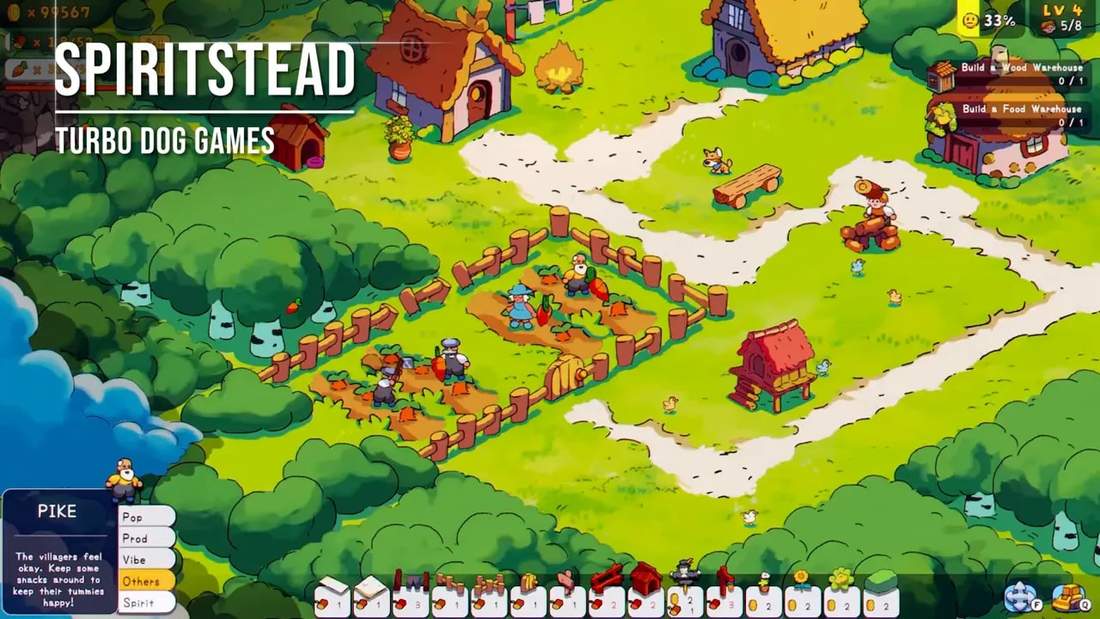
That said, this is not entirely pressure-free. If your villagers are unhappy, they can leave. So despite the softer presentation, there is still a management layer that asks you to maintain a functioning town rather than simply placing pretty buildings.
The main loop involves gathering resources like food, wood, and gold, expanding your land, assigning jobs, and making sure everyone’s needs are met. Happiness also matters, and that means supporting the village with places like cafes, markets, and other buildings that improve quality of life.
What makes Spiritstead more than just another cute city builder is the way it mixes that village management with a magical progression system. As you build, you discover hidden spirits, collect magical shards, and unlock spirit buildings that help your town flourish. That gives the game a fantasy growth curve that feels tied to the setting rather than pasted on top.
There is also a nice flexibility to the design. If you want the full management experience, there is a survival mode. If you want a more relaxed sandbox, there is also a creative mode focused on design and decoration. That is a smart move for a game like this because its appeal is split between two overlapping audiences:
- People who want a light but meaningful city-building challenge
- People who want to build a beautiful magical village without pressure
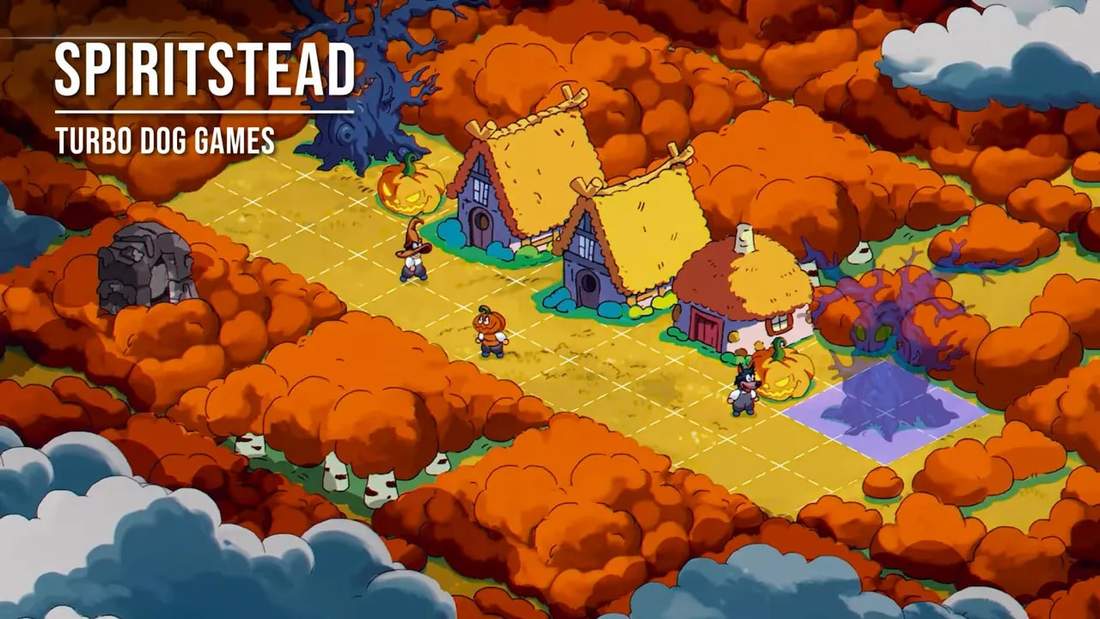
Visually, Spiritstead has a cartoony isometric style, but it does not look quite like the usual batch of cozy city builders. There is a slightly storybook, almost Ghibli-adjacent quality to it without directly imitating that look. The result is something soft and familiar but still distinct enough to stick in the mind.
Spiritstead looks promising because it seems to understand that “cozy” does not have to mean “empty.” It can still have systems, consequences, progression, and goals. It just presents them in a gentler, more inviting way.
5. Tamer Town
Tamer Town is the game here that most aggressively toys with a huge, obvious fantasy: what if a creature-collecting monster-battling world got a proper city builder?
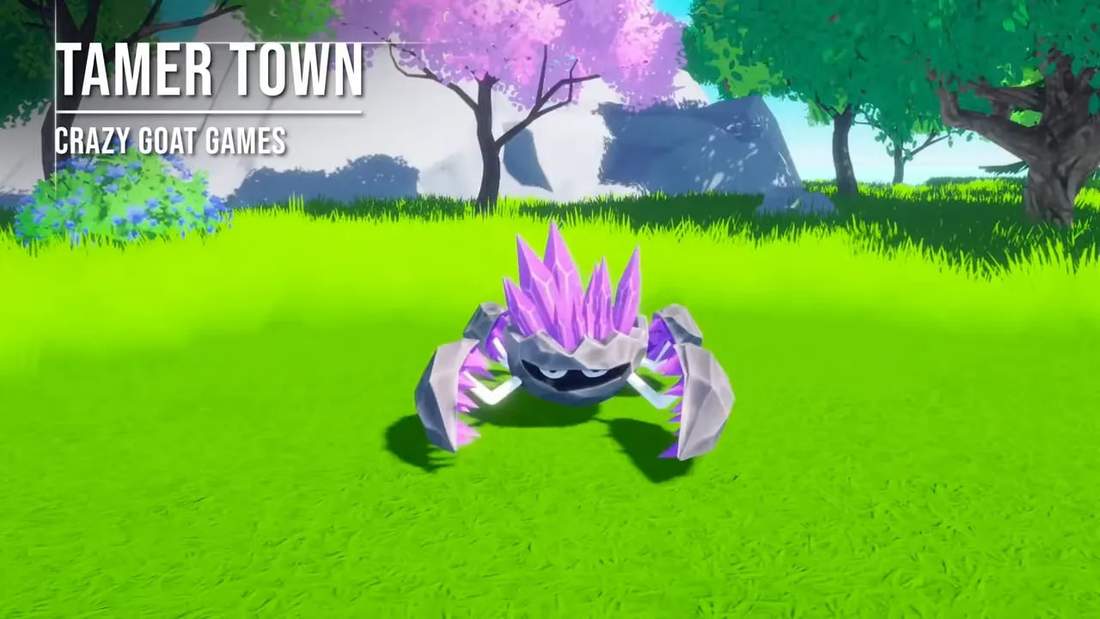
This is not attached to any famous brand, of course. Instead, it has its own collectible creatures called Moketons, which tamers collect, train, battle with, and evolve. But the inspiration is impossible to miss, and that is exactly why the concept works.
A lot of major entertainment brands never explore the full range of genres they could fit into. And that is a shame, because many of them have worlds that would be perfect for strategy, management, or city-building games. Tamer Town is interesting partly because it goes ahead and tests that idea on its own.
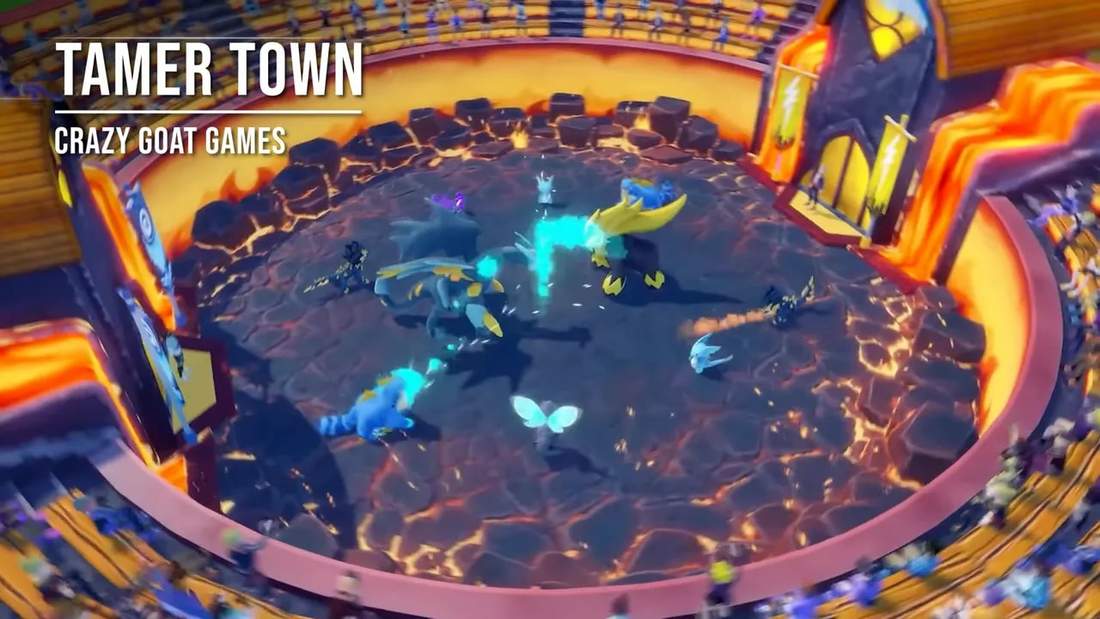
The city-building side has you designing neighborhoods, growing a feel-good community, and unlocking stories as relationships between characters develop. There are more than 130 unique Moketons, each with their own elemental traits, personalities, and evolution paths, so the creature side is not just decoration. It is meant to be a central pillar of the world.
What makes the structure particularly appealing is that this is not only a management sim. It has a two-form gameplay loop:
- You build and manage the town, improving its layout, meeting needs, decorating homes, and customizing facilities like the battle arena.
- You act as a tamer yourself, training creatures, battling through leagues, and going on expeditions.
Those expeditions and battles then feed back into the city. As you rise through the leagues and make a name for yourself, your town becomes more famous across the land. That fame helps improve the settlement and supports its development. So the personal RPG-like side and the city-building side are meant to reinforce each other.
That feedback loop is the key to whether Tamer Town will feel special. If the battling is just a side distraction, or if the city management feels disconnected from it, then the concept becomes much less exciting. But if both halves truly support each other, this could become a rare hybrid that scratches two different itches at once.
What stands out about Tamer Town:
- A city builder built around creature collecting and battling.
- Over 130 unique Moketons with traits and evolution paths.
- Town design tied to character stories and community growth.
- A dual progression system where personal success as a tamer improves the city itself.
I have long felt that more major fantasy worlds should experiment with city builders, RTS games, and management sims instead of sticking to their safest genres. Tamer Town taps directly into that feeling, and that alone makes it worth keeping an eye on.
Why These Unknown City Builders Matter
The most interesting thing about this group is not that they are all guaranteed to be great. It is that each of them is trying to carve out an identity.
That matters in a genre as crowded as city building.
There are countless games built around roads, zones, housing, food, happiness, and expansion. The ones that stand out usually do one of three things well:
- They build around a strong setting
- They introduce a fresh systemic twist
- They combine city building with another genre in a meaningful way
These five games each aim for one or more of those goals.
- Above: Colonies of the Mist leans on survival, verticality, and interconnected mountain colonies.
- GlagStone pushes mood, narrative, and hard choices.
- Crowded bets on species-based city design with corvid society.
- Spiritstead offers a cozy magical village builder with survival and creative modes.
- Tamer Town merges city management with creature collecting, battling, and progression.
Some of these may fade into obscurity. That happens all the time. But hidden gems often start out exactly like this: with a store page, a strange premise, and almost nobody talking about them yet.
Final Thoughts
If you already feel like you know every upcoming city builder worth knowing, these are the sort of games that test that assumption.
What I like most here is the range. This is not five versions of the same formula. One is a misty mountain survival sim. One is a harsh one-bit narrative experiment. One is about crow civilization. One is a soft magical village builder. One is effectively a monster-tamer town simulator.
That variety is healthy for the genre. City building does not need more clones nearly as much as it needs more games willing to be specific, strange, and ambitious in their own ways.
And if even one of these fully delivers on its concept, it could end up being a lot bigger than it looks right now.