
The 14 Best RTS Games are not just museum pieces from the golden age of PC gaming. These are games that still feel mechanical, readable, inventive, and surprisingly modern in all the ways that matter. Back in the late ’90s and early 2000s, real-time strategy ruled PC gaming. Big boxes came packed with manuals, maps, faction lore, and enough cardboard gravitas to make every install feel important. Some of those games became esports institutions. Others became cult classics. A few were weird experiments that absolutely deserve another shot.
I still love this era because RTS games used to take big swings. Some chased perfect competitive balance. Some cared more about atmosphere, scale, and worldbuilding. Some tried things the genre still has not fully returned to. If you want the 14 Best RTS Games that are still worth playing and collecting, these are the ones I keep coming back to.
Why these RTS games still matter
The best strategy games from this era have a few things in common:
Strong faction identity that makes every side feel genuinely different.
Readable battlefields where you can understand what is happening at a glance.
Mechanical depth that rewards learning, not just memorization.
Big ideas like terrain simulation, vertical combat, custom unit design, or persistent armies.
Replay value through campaigns, skirmishes, mods, or active communities.
Not all 14 games are equally polished. One of them is here mostly as a historical warning label. But together they show just how broad the RTS genre used to be.
1. Command & Conquer: Tiberian Sun
Command & Conquer: Tiberian Sun arrived in 1999 as the sequel to the original Command & Conquer, set roughly 30 years in the future. Westwood was coming off the success of Red Alert, and although Tiberian Sun had a famously delayed development, it landed with a stack of upgrades that made it feel far more ambitious than a simple sequel.
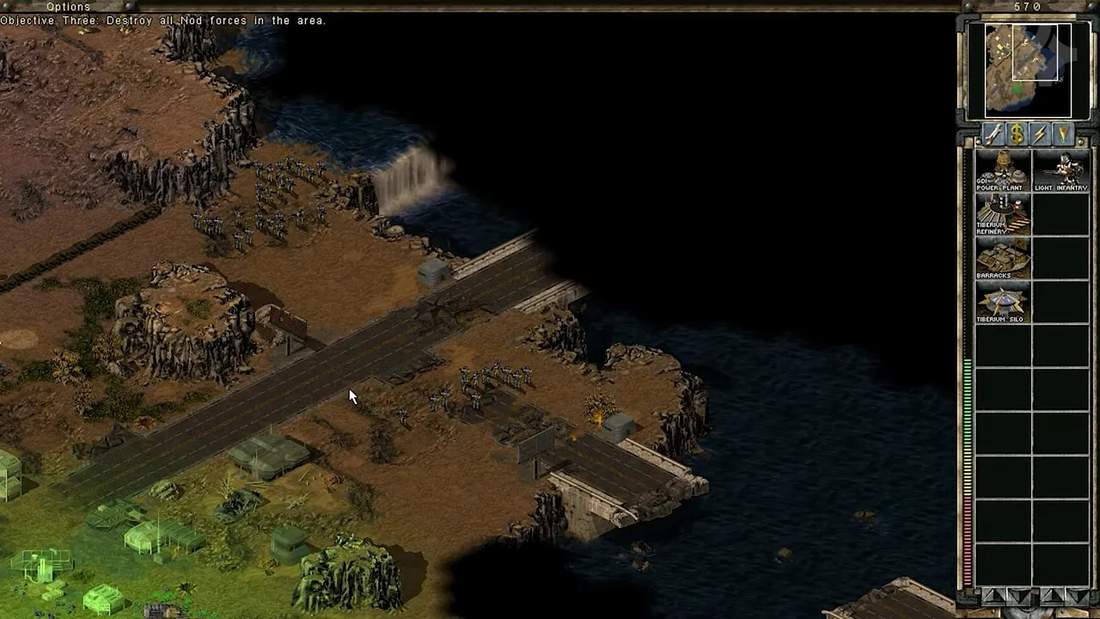
What stands out immediately is the look. Instead of the older 2D sprite style, Westwood pushed toward actual 3D models while keeping that classic isometric feel. It still looked and sounded unmistakably Westwood, with the moody industrial atmosphere and that bleak, polluted science fiction tone the Tiberian series does so well.
Mechanically, Tiberian Sun was ahead of its time in several ways. It introduced:
Height differences in terrain, which meant placement actually mattered.
Weather effects and day-night cycles.
Destructible terrain.
Distinct faction upgrades that made GDI and Nod feel more specialized.
GDI got heavy hardware like mechs and railguns. Nod leaned into stealth, cyborgs, and underground bases. On top of that, the Forgotten mutants added a moral wrinkle the series had not really explored before.
I first played this one years after launch on a cheap laptop, and it always felt to me like a bridge between the original Command & Conquer and Red Alert 2. That is part of its charm. It has the DNA of both.
It is also one of the more divisive entries in the series. Some people love it. Others bounce off it hard. Even back then, the RTS audience was starting to split, and Firestorm, the expansion, tried to clean up some of the launch issues. Looking back, Tiberian Sun feels like a game with one foot in the future and one foot stuck in old design habits. That tension makes it fascinating.
2. Age of Empires II
If I had to point to one historical RTS that has aged better than almost anything else, it would be Age of Empires II. Ensemble Studios took everything that worked in the first game, broad historical scope, resource gathering, empire building, and polished it into something close to timeless.
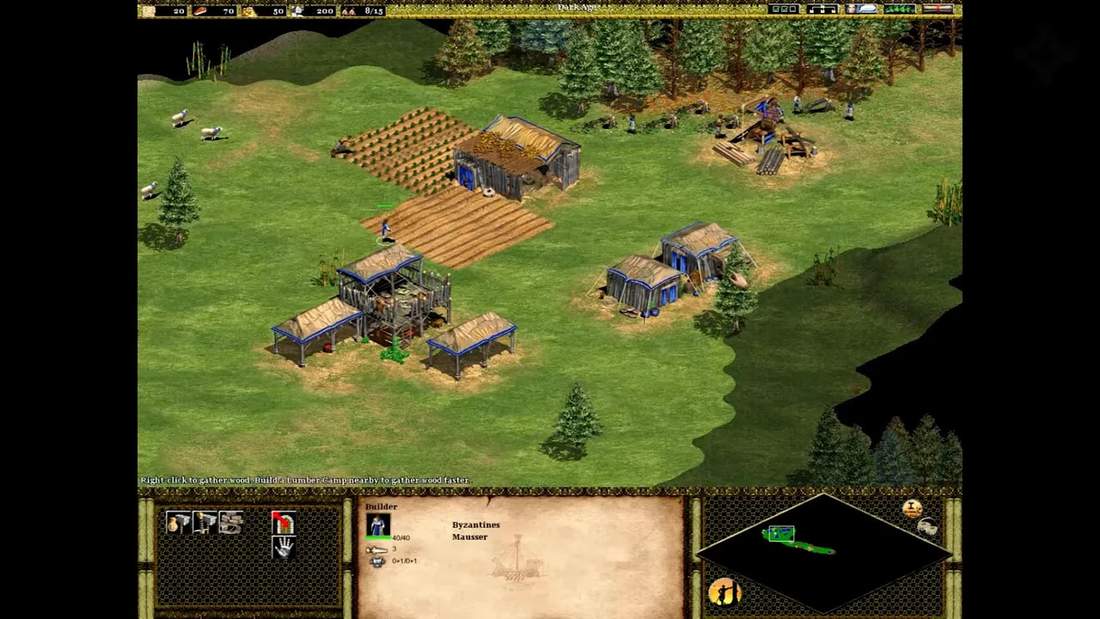
While StarCraft was turning RTS into a speed-driven competitive sport, Age of Empires II doubled down on the satisfaction of building a civilization that could genuinely endure. That is still the hook today.
The reason it remains so playable is simple: readability. You can glance at a battlefield and immediately understand the state of the match. Villagers are working. Armies are moving. Buildings are progressing through clear visual stages. The information design is fantastic.
It is not perfect. Like a lot of older RTS games, pathfinding can still get a bit messy. But in a strange way, that friction becomes part of the game. You stay engaged. You babysit your armies. You learn proper micro.
The original Microsoft big box release is also a great collector’s item. It came with a thick manual and plenty of reference material, the kind of packaging PC strategy games used to do really well.
More importantly, Age of Empires II survived the years when RTS looked like it might disappear entirely. It stayed relevant through remasters, active communities, and campaigns that are still a fun entry point into history, even if they take some liberties. Its legacy is basically the legacy of the genre itself.
3. Homeworld
Homeworld was one of the boldest things anyone attempted in strategy gaming in 1999. Relic Entertainment did not just make another RTS with prettier graphics. They built a real-time strategy game in true 3D space.
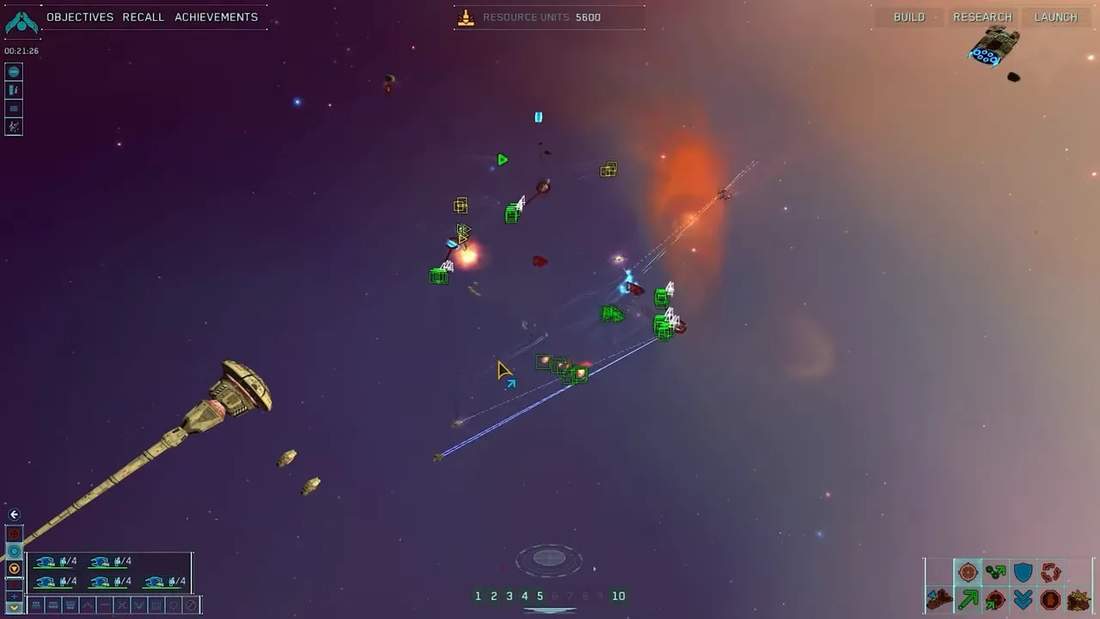
That sounds normal now, but at the time it was wild. Homeworld transformed flanking from a left-or-right concept into something fully spatial. Threats could come from above, below, behind, or from angles traditional RTS games never had to think about.
The story helped elevate it far beyond a tech demo. You follow the Kushan, an exiled people crossing the stars in search of their ancestral home. The game feels less like a standard RTS campaign and more like a space opera. The ambient soundtrack, minimalist interface, and enormous sense of scale all work together beautifully.
One of the smartest ideas in Homeworld was the persistent fleet. Ships that survived one mission could carry over into the next. That meant your units became more than disposable production entries. If you lost a veteran ship, it felt personal.
That emotional continuity gave Homeworld a different kind of strategic weight. You were not just managing income. You were preserving history.
Even the development story is impressive. Relic was effectively inventing a subgenre in real time, solving camera control, orientation, and movement in a 360-degree void. That ambition still comes through when you play it now.
The remastered collection is the easiest way to revisit it today, and it still feels futuristic. If you want one of the 14 Best RTS Games for pure innovation, Homeworld belongs near the top.
What about Homeworld: Cataclysm and Homeworld 3?
Homeworld: Cataclysm remains a fan-favorite dark horse. It shifts focus to the miners of Kharak and gives the universe a grittier, more grounded angle. As for Homeworld 3, I had some fun with it, but it felt like only a fragment of what it could have been.
4. KKND: Krush, Kill ‘n’ Destroy
KKND is one of those RTS games that feels gloriously unfiltered. Released in 1997 by the Australian team at Melbourne House, it landed right in the middle of the RTS gold rush and went for style, attitude, and weirdness over elegance.
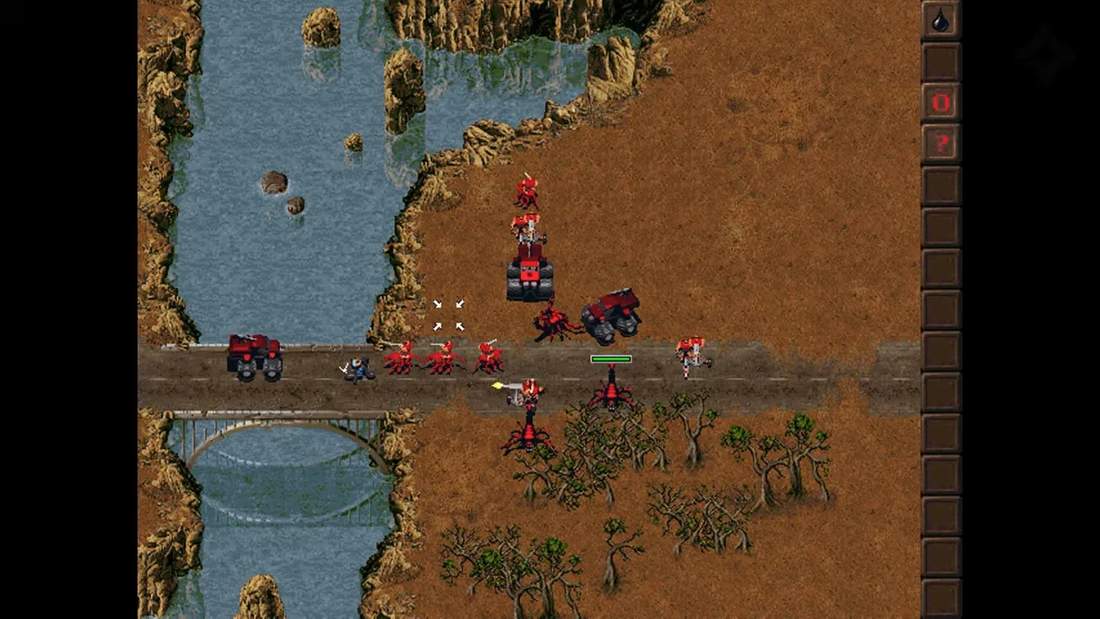
The setup is classic post-apocalyptic B-movie energy. The Survivors are humans who hid underground. The Evolved are mutants who stayed on the surface and wound up riding giant crabs. That alone tells you exactly what sort of game this is.
It did not reinvent real-time strategy mechanically. What it did do was create a setting and visual identity that felt distinct. It was loud, grimy, edgy, and very much a product of the late ’90s. In Europe and Australia, it actually challenged Command & Conquer more than people remember.
I think of KKND as the ultimate guilty pleasure RTS. It is not balanced. It is not fair. But it is memorable in ways many technically better games are not. There is a specific joy in unleashing a mutant monstrosity and watching infantry disappear.
The big box release is also a collector’s favorite, with a shiny embossed look that makes it stand out on a shelf. If you miss the era when strategy games could be strange and commercially viable at the same time, KKND is a fantastic relic.
5. Total Annihilation
Total Annihilation was not just another Command & Conquer-style RTS. It was a huge leap in scale, simulation, and battlefield behavior.
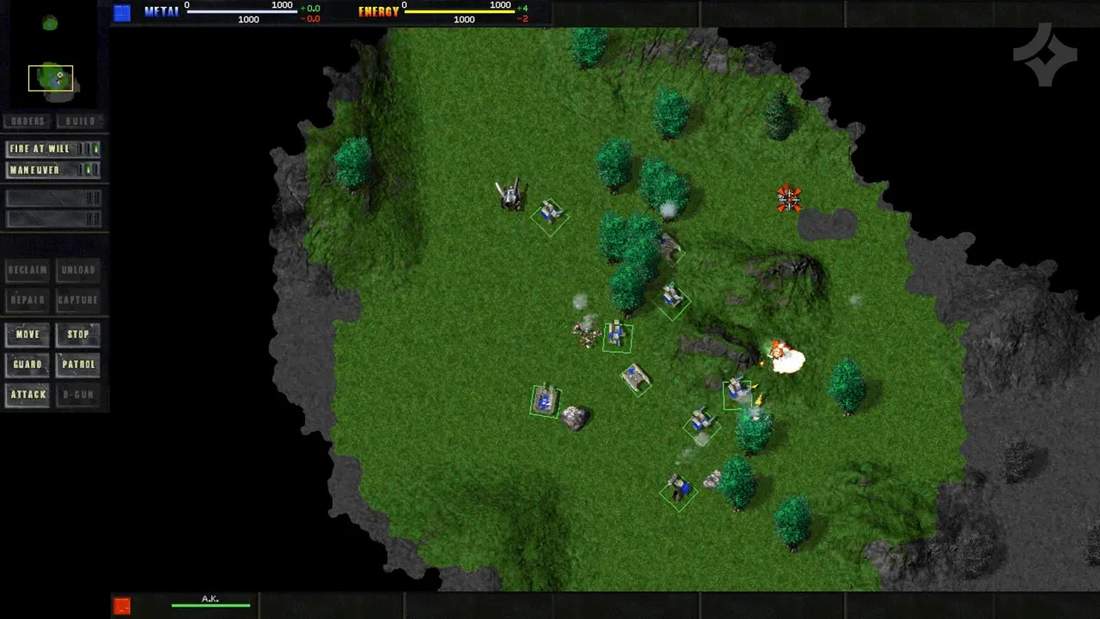
This game introduced real 3D units and terrain, but more importantly, it made combat feel physical. Projectiles were not just abstract hitscan effects. Shots could miss, clip terrain, strike trees, or even wipe out your own units if they got in the way. That gave battles a chaotic, believable quality.
Chris Taylor’s design philosophy was a big part of what made it special. He wanted to move away from constant resource babysitting, so Total Annihilation used a streaming economy instead of the click-on-a-mine style common at the time. That one change opened the door to much larger engagements and more strategic planning.
The engine was years ahead of its era. It could support:
Massive naval battles
Large-scale air raids
Simultaneous assaults across enormous maps
Huge unit variety with a gritty industrial art style
When Cave Dog collapsed, a lot of that specific design DNA nearly disappeared with it. Later games like Supreme Commander carried the torch, especially with strategic zoom, but many fans still prefer the original’s atmosphere and feel.
This is one of those games where the people who love it really love it. For a certain kind of RTS fan, Total Annihilation is not just one of the 14 Best RTS Games. It is the RTS.
6. Cossacks: European Wars
Cossacks: European Wars went in the exact opposite direction from the tighter, smaller-scale RTS games of its day. Instead of modest armies and compact skirmishes, GSC Game World built something enormous.
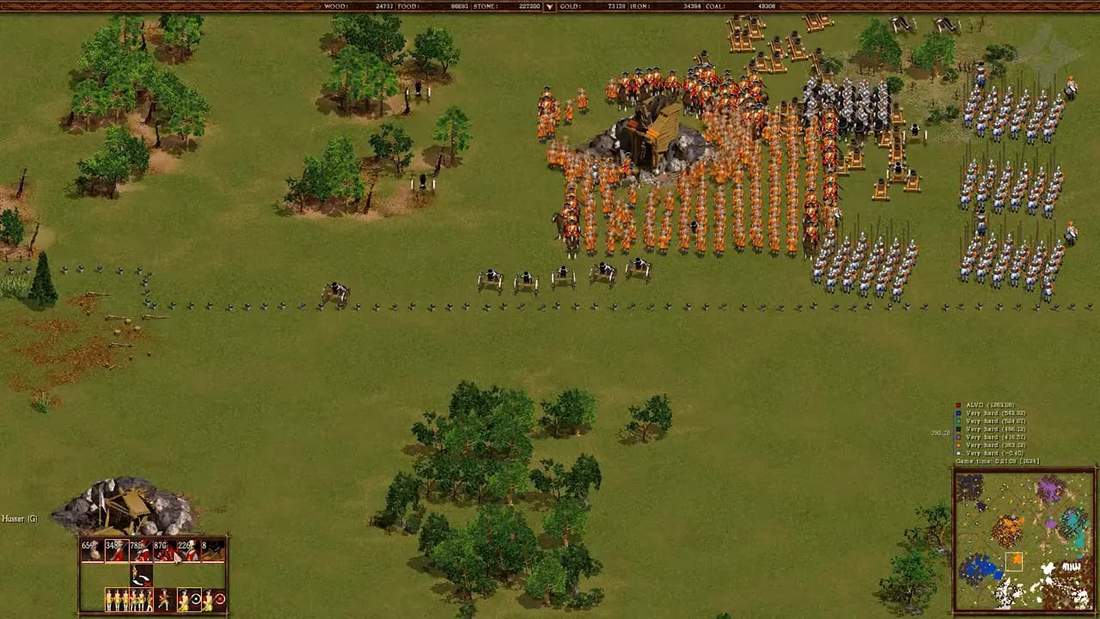
The headline feature was staggering for the time: up to 8,000 units per player. That changed the mood of combat completely. Battles became less about tiny tactical duels and more about industrial-scale warfare, synchronized volleys, attrition, and logistics.
GSC, based in Ukraine, brought a distinctly European angle to the genre. The game focused on formations, economy, and the brutal realities of 17th and 18th century warfare. Technically, the ability to render that many sprites at once was a real achievement.
It became especially popular in Europe and Russia, even if it stayed more of a cult title in North America. What I have always liked most is the economy. It turns the macro game into a constant struggle to keep the war machine fueled. You are not just building up. You are sustaining a system.
I remember playing the demo years ago, probably from a PC gaming magazine disc, and getting hooked by the city-building layer and the freedom of the battlefield. Looking back, Cossacks feels like a bridge between traditional base-building RTS and the larger-scale warfare that the Total War series would later popularize.
If scale is what you want, this is one of the hidden gems on the list. The big box is also quite collectible in Europe.
7. Warzone 2100
Warzone 2100 arrived during that awkward but exciting transition into 3D. Many studios used new hardware for shinier explosions. Pumpkin Studios did something more interesting and used it to create true 3D line of sight, deep customization, and systems-driven warfare.
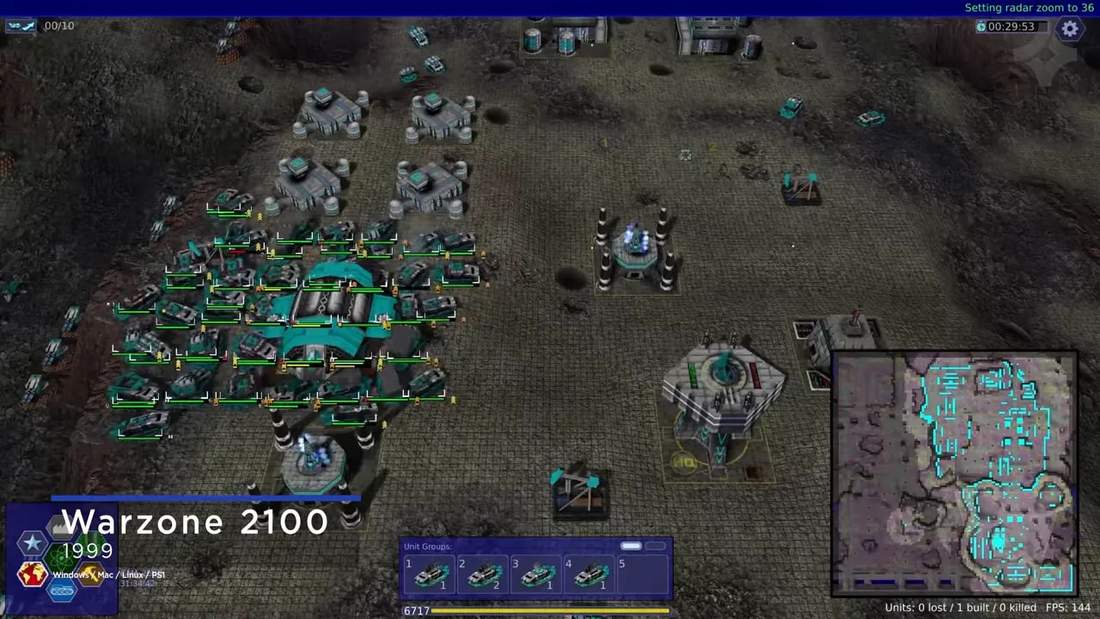
The survival story behind this game is almost as interesting as the game itself. After Pumpkin Studios folded, the community fought to preserve Warzone 2100. The source code was eventually released under the GNU GPL, and by 2004 it had become a fully open-source project. That means it is still available to download for free today, and still gets updates and balance work more than 25 years later.
That alone makes it one of the best examples of community preservation in the whole genre.
Mechanically, the standout feature is the unit designer. You combine chassis, propulsion systems, and weapons to create custom forces. Tracks, hover propulsion, different turrets, hundreds of technologies, and thousands of combinations give it an absurd amount of tactical flexibility.
I also love what it does with artillery. Counter-battery sensors can detect incoming fire and automatically guide your long-range units to return fire across the map. Your base starts to feel like a living defensive system rather than just a pile of structures.
And yes, it also had one of the weirdest bits of ’90s marketing ever. The European launch included a promotion where the grand prize was supposedly the chance to be cryogenically frozen upon death and revived in the year 2100. Which is exactly the sort of nonsense only the late ’90s could produce with a straight face.
8. StarCraft
StarCraft is one of the few RTS games that genuinely changed gaming culture. Blizzard started with something that was mocked early on as looking too close to Warcraft in space, then overhauled the engine and art direction into one of the most important strategy games ever made.
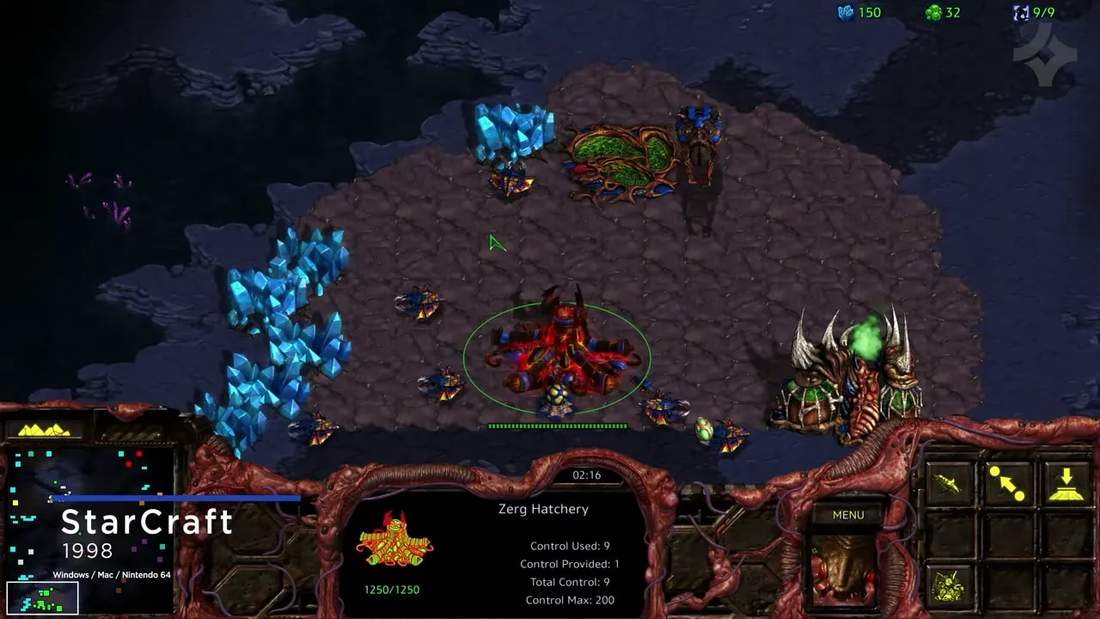
The secret was not just polish. It was asymmetry. Terran, Zerg, and Protoss were fundamentally different in both function and feel, with almost no overlap in how their armies and structures worked. That level of faction identity was revolutionary.
Then the competitive scene exploded, especially in South Korea, where StarCraft helped create the infrastructure for modern esports. It turned speed itself into a strategic resource. Managing economy, production, scouting, and combat at extreme actions-per-minute created a skill ceiling that still feels absurd.
But StarCraft was not just a multiplayer phenomenon. I have always loved the Terran campaign for its gritty, cynical personality. The original has a dirtier, more pre-rendered visual texture than StarCraft II. The sequel is smoother and technically cleaner, but the first game has a VHS-era sci-fi roughness that gives it lasting charm.
Brood War in particular remains the benchmark for pure competitive RTS design. If the 14 Best RTS Games are supposed to include the genre’s defining masterworks, StarCraft is non-negotiable.
9. Kingdom Under Fire: A War of Heroes
Kingdom Under Fire: A War of Heroes does not always get mentioned alongside the big names, but it deserves more respect. It blended RTS campaign structure with a stronger hero focus and helped point toward ideas other games would pick up later.
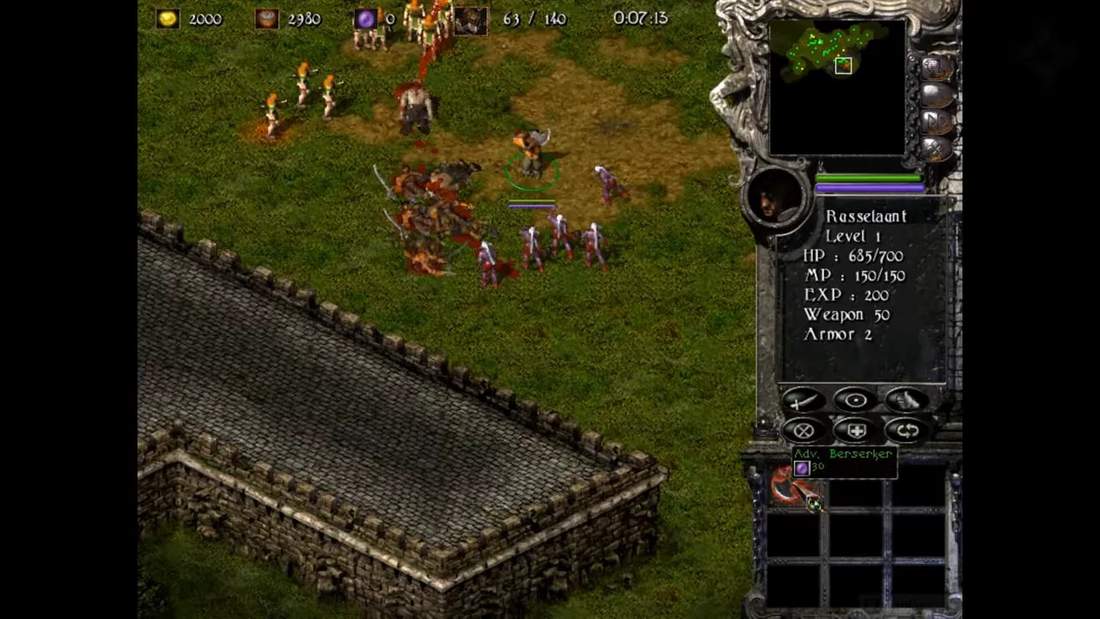
The Korean studio Phantagram built a fantastic world here, and the game was especially fun in competitive one-on-one play. I have great memories of running this over LAN with a laptop linked to a friend’s PC. It never became a mainstream giant, but it carved out its own identity.
Part of what makes it interesting is how unusual its place in the genre feels now. It asks you to be both a fast tactical planner and a sharp micro player. It can be unforgiving, but that intensity is exactly why it stands out.
The later history of the series is much rougher. Circle of Doom stripped away the strategic elements, and Kingdom Under Fire 2 turned the formula into a kind of MMO-RTS hybrid that never really fulfilled its promise before global support ended. That leaves the original titles as the definitive versions for fans.
10. Earth 2150
Earth 2150 took the move into 3D and used it for more than presentation. Reality Pump treated the terrain itself as part of the strategy.
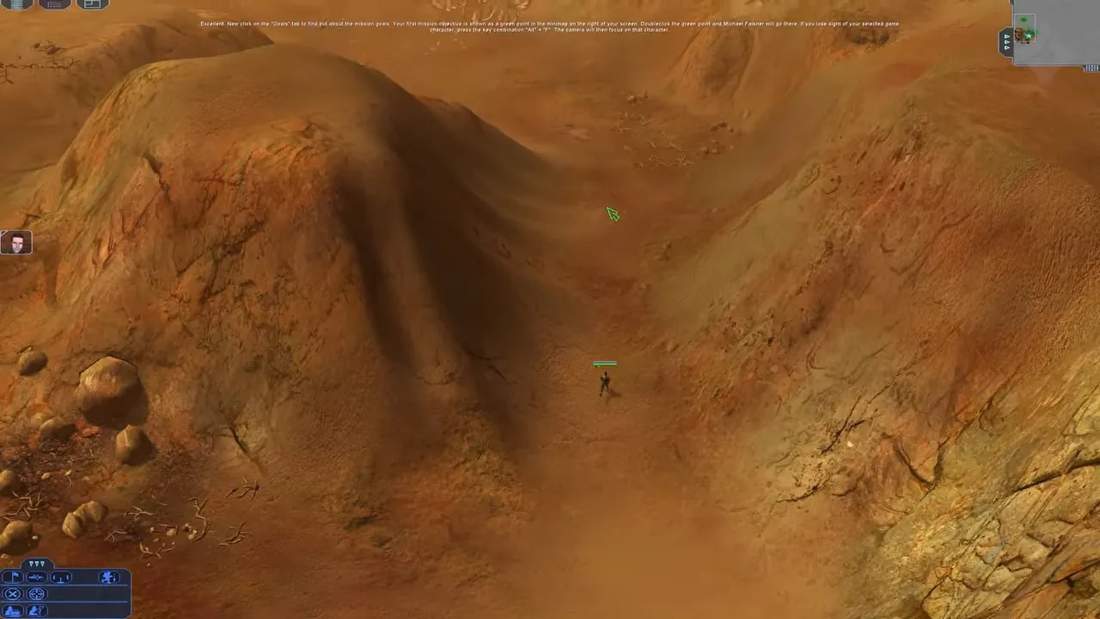
You could dig trenches for cover and tunnel underground for sneak attacks, meaning the battlefield existed on multiple tactical layers. Surface war was only half the story. If you ignored the subterranean side, you were not really playing the full game.
It also featured a dynamic day-night cycle that genuinely mattered. For example, the Luna Corporation relied on solar power and battery reserves, so nighttime changed the rhythm of base management and combat readiness.
Another great feature was customization. Army design could vary significantly from one player to another, making your force feel personal and forcing adaptation. Add in the campaign’s doomsday timer, and Earth 2150 starts to feel much broader and more pressured than many contemporaries.
There is some wonderfully odd regional flavor here too. The international voice acting is famously cheesy, while the Russian version reportedly rewrote material with more realistic military terminology, giving the Eurasian Dynasty a more serious tone.
The interface is definitely dated now, but if you can get over that, the trilogy is packed with experimental mechanics and depth. It really does feel like a precursor to later physics-heavy strategy design.
11. Submarine Titans
Submarine Titans is one of the most unusual RTS settings of the era. Instead of fighting across land or space, it drops the war to the bottom of the ocean and makes vertical positioning the core tactical hook.
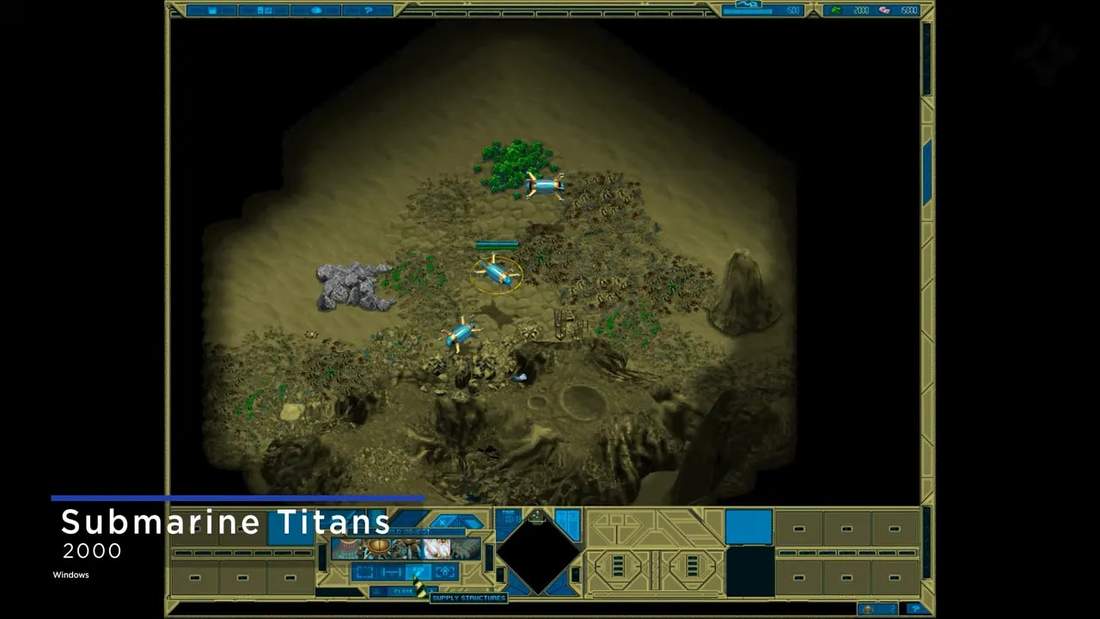
Built by the Australian team at Ellipse Studios, the game used five different depth levels. You had to manually adjust your fleet to hide in trenches, rise for ambushes, or stage attacks from below. Underwater terrain became your stealth system.
What makes it more than just a novelty is the logistics. Units often have limited ammunition and need to be manually resupplied by support ships or depots. You cannot just mass-produce and throw units forward. Supply lines matter.
The atmosphere is strong too. The campaign is difficult, often forcing you into risky objectives like capturing research centers under heavy pressure with very little handholding. It is a slow-burn strategy game that rewards patience and setup.
Yes, it feels clunky by modern standards, and yes, the user interface takes up a huge chunk of the screen. But the verticality is genuinely meaningful. For originality alone, it earns its spot among the 14 Best RTS Games worth revisiting.
12. Conquest Earth
Conquest Earth is the odd one out here. To be blunt, it is probably not worth revisiting as a great game. It is worth remembering as a fascinating failed experiment.
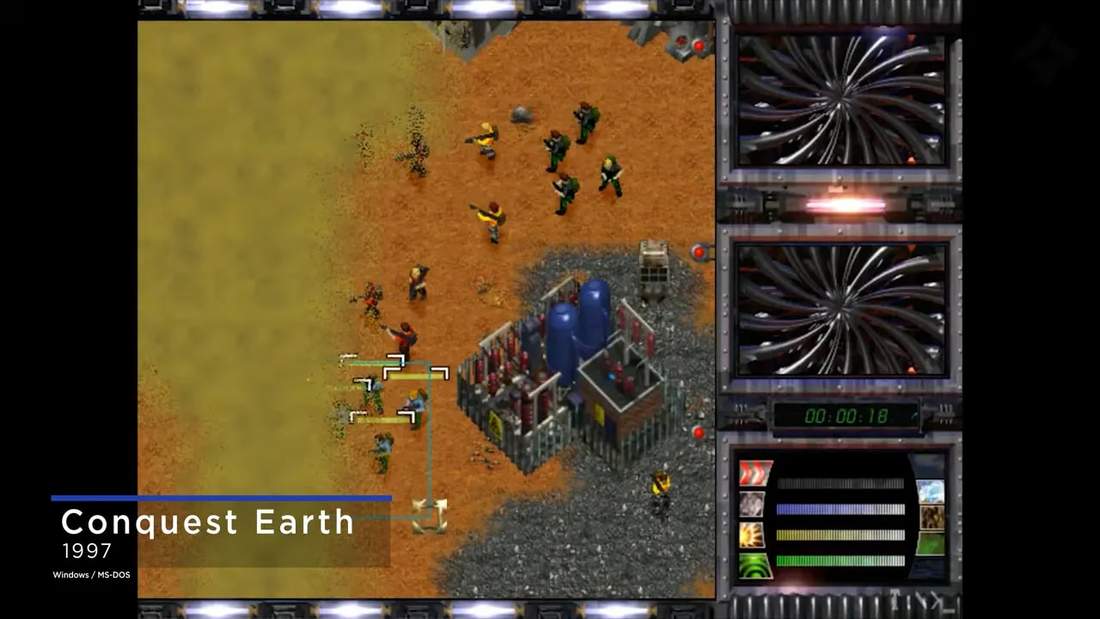
Released in 1997 by Eidos Interactive, it became notorious for all the wrong reasons and was even named a runner-up for worst game of the year by GameSpot. The premise sounds promising: humans versus Jovians, bizarre gas-based aliens from Jupiter, in a futuristic war.
The game tried several unusual ideas:
A picture-in-picture view system that let you monitor multiple locations at once
No traditional fog of war, replaced by fog generators pumping out obscuring smog
The ability to directly control units or delegate them to commanders
On paper, that is interesting. In practice, the interface was a mess. Even the minimap was buried in a submenu instead of being visible on the main HUD. Navigation became a chore, and all the clever ideas could not compensate for a frustrating core experience.
That is really why Conquest Earth matters historically. It is a reminder that innovation without a functional foundation can collapse under its own weight. Not every RTS from the golden age was a classic, and this one proves it.
13. Command & Conquer
No list of the 14 Best RTS Games would make any sense without the original Command & Conquer. This is one of the foundational texts of the genre.
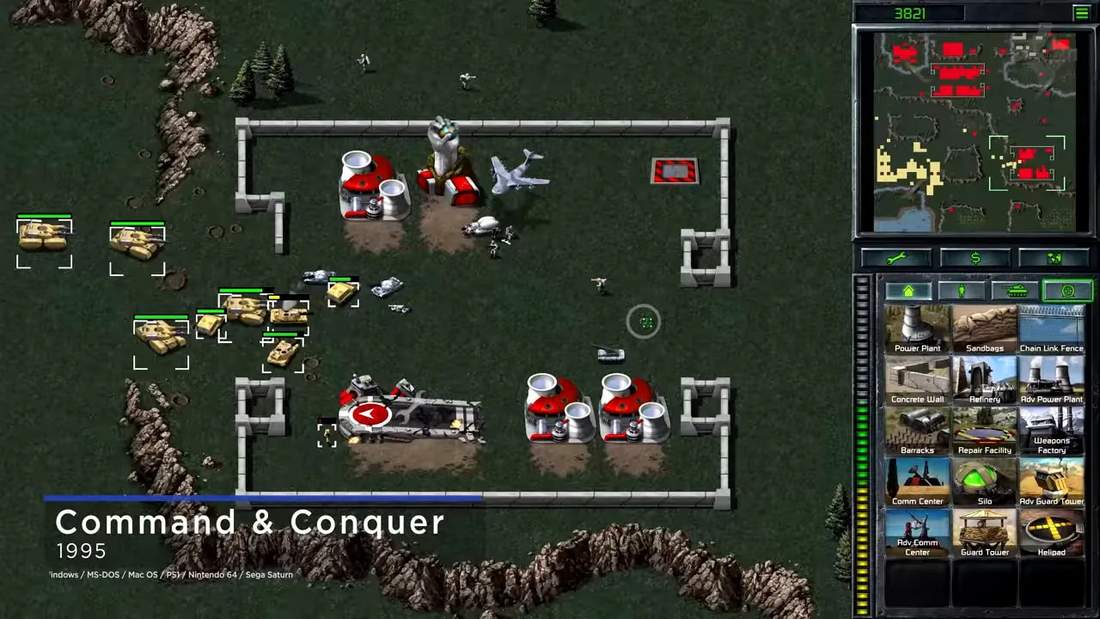
Released in 1995 by Westwood Studios, it took the lessons of Dune II and turned them into the blueprint that defined RTS for years. Harvest resources. Build a base. Train units. Crush the enemy. Simple, direct, addictive.
The story was also a huge part of the appeal. Tiberium, a mysterious alien crystal, appears on Earth and becomes both a valuable resource and an ecological nightmare. Two powers emerge around it:
GDI, the Global Defense Initiative
The Brotherhood of Nod, a revolutionary quasi-state cult led by Kane
Kane, played by Joseph D. Kucan, became the face of the franchise almost by accident. The live-action FMV briefings, often featuring Westwood staff in various roles, gave the game a wonderfully pulpy B-movie charm. Those cutscenes did not just explain missions. They gave the whole series a personality no one else really had.
The factions were asymmetrical in a way that still feels satisfying. GDI brought heavier armor and blunt-force firepower. Nod used speed, stealth, and guerrilla tactics. Multiplayer was also pushed hard. The box famously included two discs so you and a friend could install and destroy each other.
Frank Klepacki’s soundtrack deserves special mention. The industrial metal sound defined the series and set the tone for a huge amount of RTS music that followed.
The 2020 remastered collection, developed by Petroglyph, is one of the best modernization efforts I have seen. It keeps the original spirit intact while updating visuals, interface, and music in all the right ways. If you want to understand how the genre got here, Command & Conquer is essential.
14. Star Wars: Galactic Battlegrounds
If I had to pick the best Star Wars RTS, I would go with Star Wars: Galactic Battlegrounds. It takes the upgraded Genie engine from the Age of Empires II era and bends it around Star Wars surprisingly well.
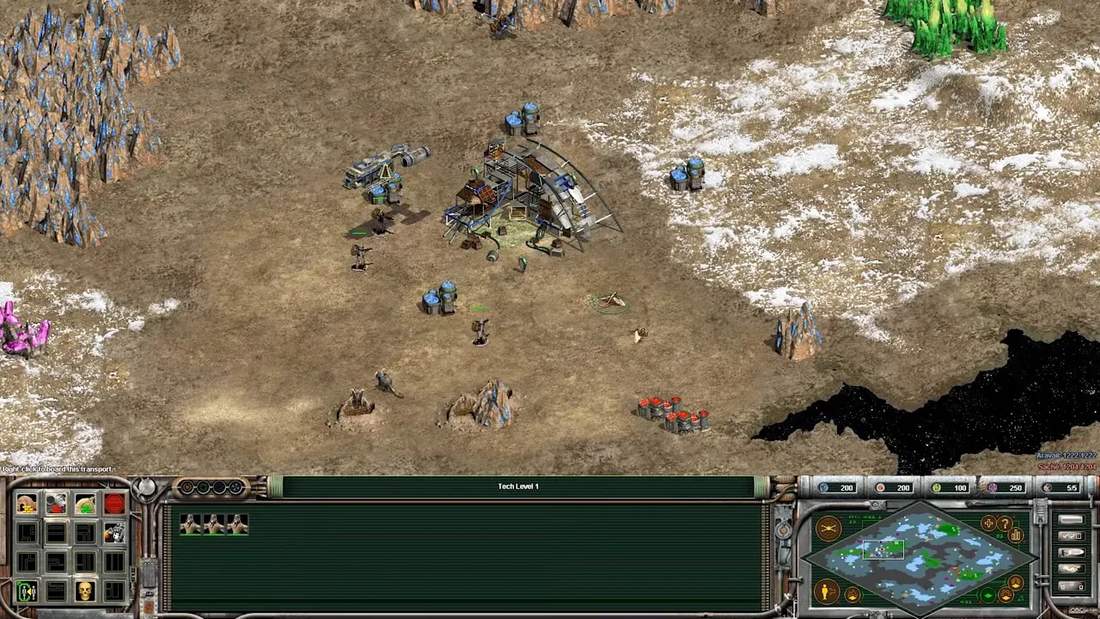
This was more than just Age of Empires with stormtrooper sprites. LucasArts added shields, power grids, air units, and a different economic structure built around food, carbon, ore, and nova crystals. It preserved the readable stability of Ensemble’s engine while giving battles more of the combined-arms chaos you want from Star Wars.
That tried-and-tested technology is exactly why it works. It feels stable and easy to read even if some critics at the time saw the 2D sprites as old-fashioned in a 3D-obsessed market.
The faction diversity is where it really shines. It captures the uneven, cinematic feel of the films, even if the balance can be a bit of a mess. The campaigns are also respectful of the setting. You get missions built around things like Wookiee uprisings on Kashyyyk or the logistics of the Naboo blockade, which gives it more flavor than a simple reskin ever could.
Between the Steam release and the Expanding Fronts mod, it is still easy to get into today. And the original big box is a great collectible in the US, especially if you are both an RTS fan and a Star Wars fan.
What ties these 14 Best RTS Games together
Looking across these 14 Best RTS Games, what really stands out is how different they all are.
Some focused on atmosphere and storytelling, like Homeworld and Tiberian Sun. Some became competitive institutions, like StarCraft and Age of Empires II. Some chased technical ambition, like Total Annihilation, Warzone 2100, and Earth 2150. Others thrived on pure eccentricity, like KKND and Submarine Titans.
That variety is what made the genre special.
Modern RTS games often fall into one of two camps: ultra-competitive esports platforms or lovingly crafted retro throwbacks. The older era had room for rough edges, oversized ambition, and genuinely strange ideas. Not all of those ideas worked. Conquest Earth is proof of that. But even the failures were trying to do something memorable.
Which of these should you play first?
If you are jumping in fresh, I would break it down like this:
For pure accessibility: Age of Empires II
For competitive mastery: StarCraft
For atmosphere and story: Homeworld
For classic base-building DNA: Command & Conquer
For large-scale warfare: Total Annihilation or Cossacks
For hidden gem energy: Warzone 2100, Earth 2150, or KKND
For Star Wars fans: Galactic Battlegrounds
And if you are into collecting, this whole era is gold. The manuals, the box art, the weird marketing, the maps, the software-style packaging, all of it speaks to a time when PC games felt substantial before you even installed them.
The RTS genre never really disappeared. It just stopped dominating. The best games from that golden period still prove why people fell in love with it in the first place.
Further reading
If you enjoy guides and community-driven preservation efforts (like the open-source legacy of Warzone 2100), you might also like PopCultDaily’s broader catalog of gaming explainers and starter guides:
- Gaming category
- Heartopia (beginner guides and event walk-throughs)
- Beginner guide posts