

If you want to know How to Get RARE Pokémon Early in Pokémon Pokopia, here’s a practical, repeatable approach I use to pull high-rarity spawns into the first area of the game. The core idea is simple: create multiple versions of the same habitat, monitor them with security cameras, and optionally speed things up with a date skip. This method helped me secure starters like Charizard, Blastoise, and Venusaur early on, plus a handful of other rare Pokémon.
Why duplicate habitats work
Each habitat has a pool of possible spawns and rarity tiers. Habitats with larger pools and very rare entries (three-star spawns) only appear infrequently. By creating several instances of the same habitat in a concentrated area, you multiply the number of independent spawn checks the game performs, increasing the chance that a rare entry will appear somewhere.
Tools you need
- Habitat-building materials (grass, flowers, campsite items, etc.)
- Security cameras from the Pokémon Center PC to monitor spawns remotely
- Rotoeller or vine abilities for moving flowers and creating grass near water
- Optional: a way to change the console date for a date-skip technique
Step-by-step habitats to set up
Tall Grass (the first and easiest)
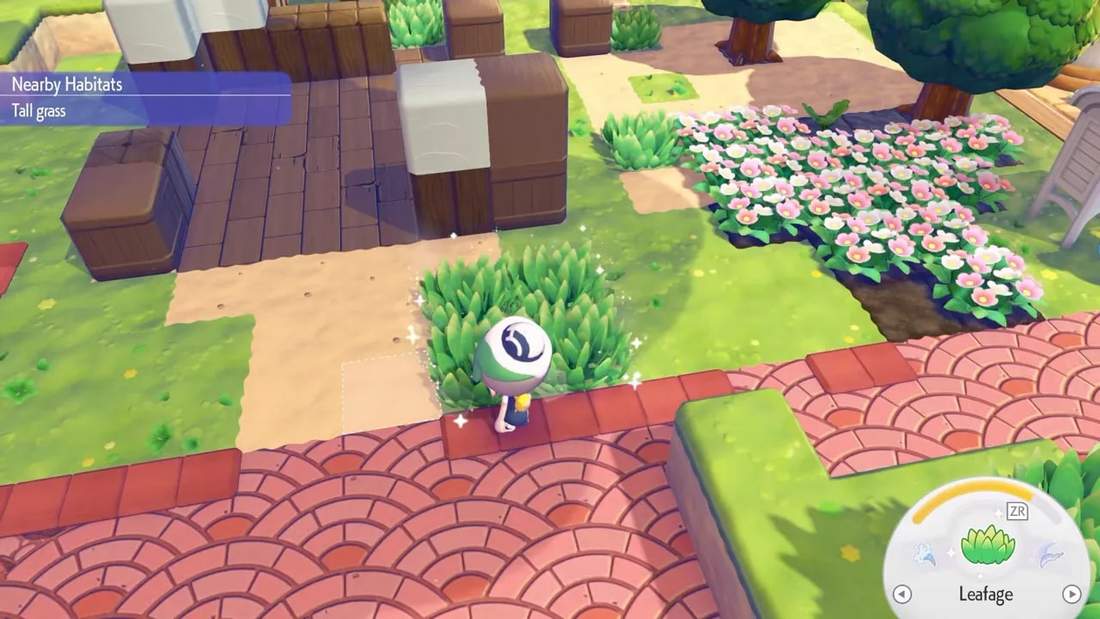
Tall Grass is the first habitat you can build and it can spawn up to six different Pokémon, including a very rare Charizard. Place several patches close together; connected patches still count as separate habitats, so overlapping them tightens your spawn checks in one place.
Tree-shaded Tall Grass
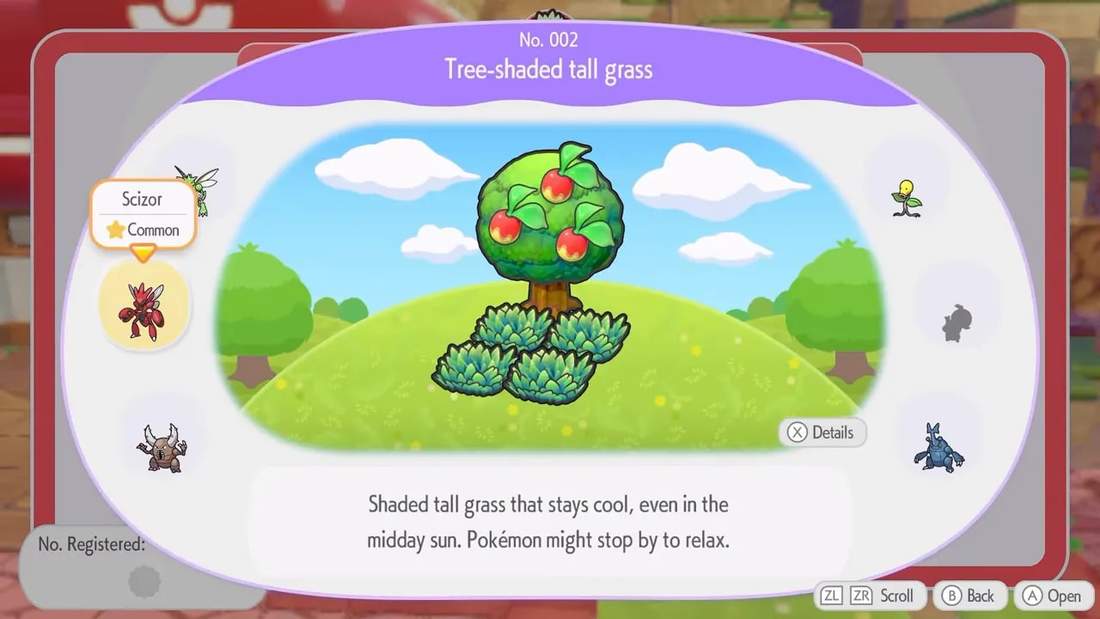
Where trees are present, use tree-shaded tall grass to open another six-pokemon pool. If Heracross or other rarities appear in that pool, you want multiple versions to raise your odds.
Hydrated Tall Grass (near water)
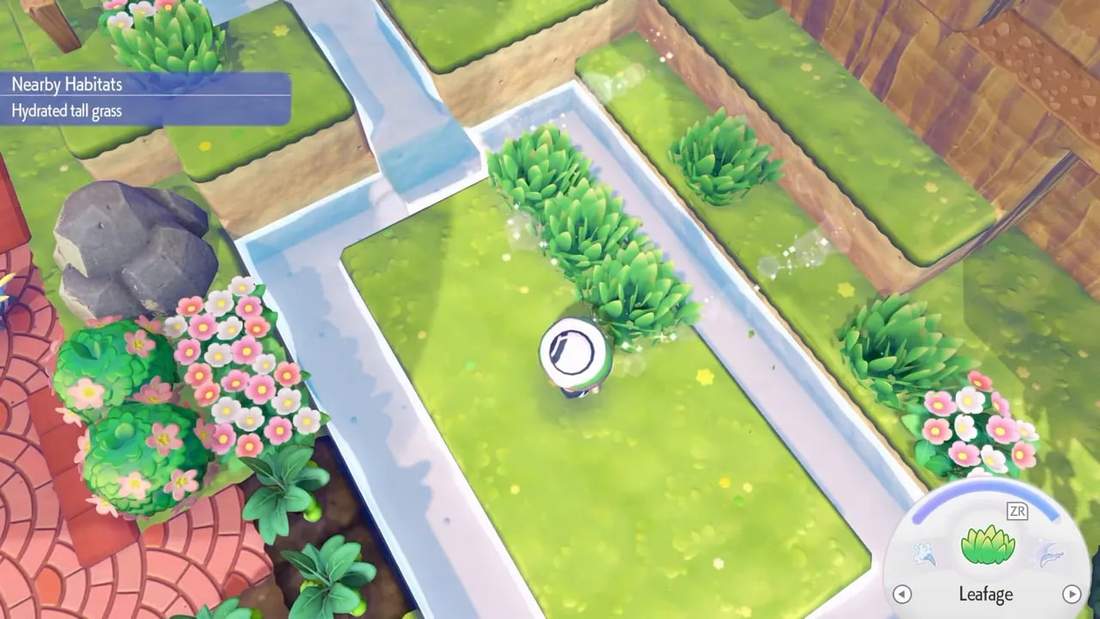
Hydrated tall grass requires four patches next to water. These can spawn up to five Pokémon, including Wartortle and the very rare Blastoise. Overlap patches and use several nearby spots to increase chances.
Seaside Tall Grass (shoreline)
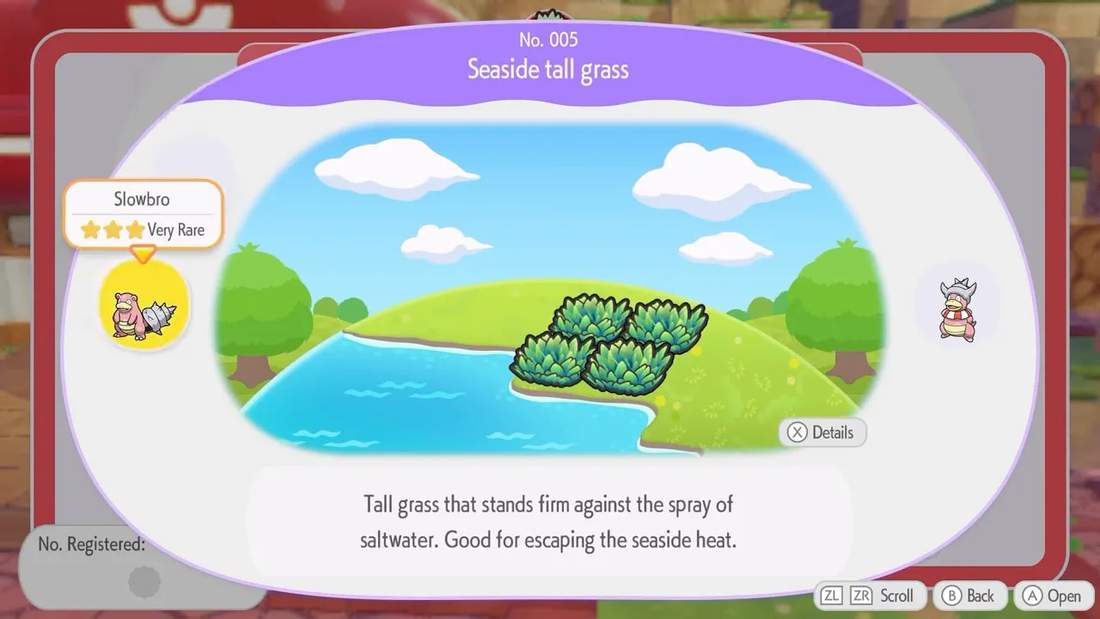
Seaside tall grass spawns a small pool but includes rare entries like Slowbro and Slowking. Shoreline space is limited, but you can dig up field grass soil from other locations and place it into shallow water to expand the shore and create more seaside habitats.
Field of Flowers
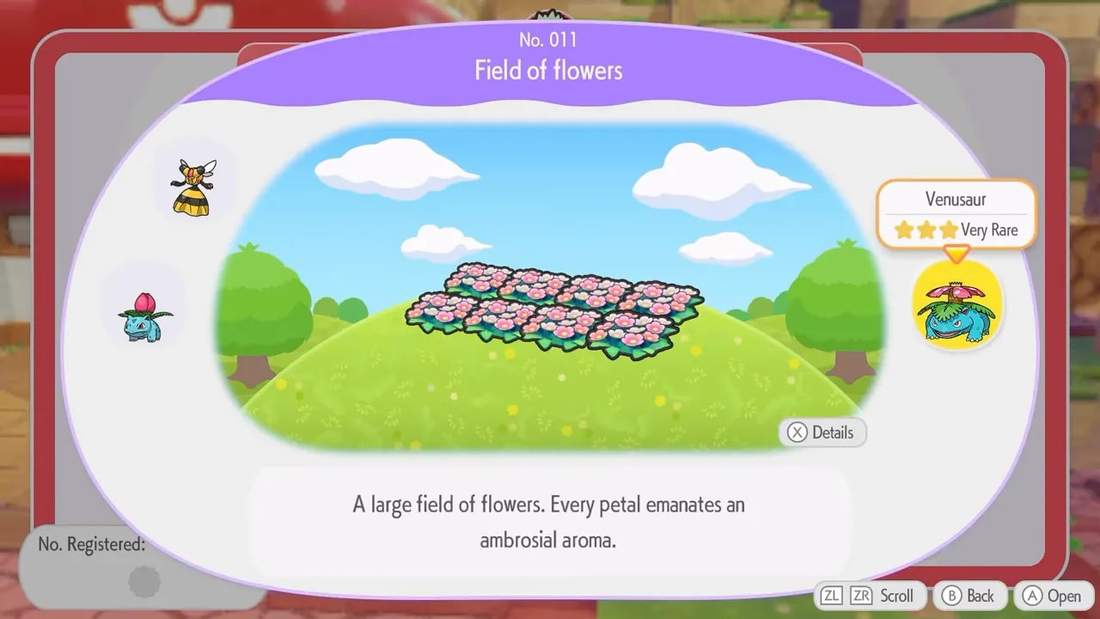
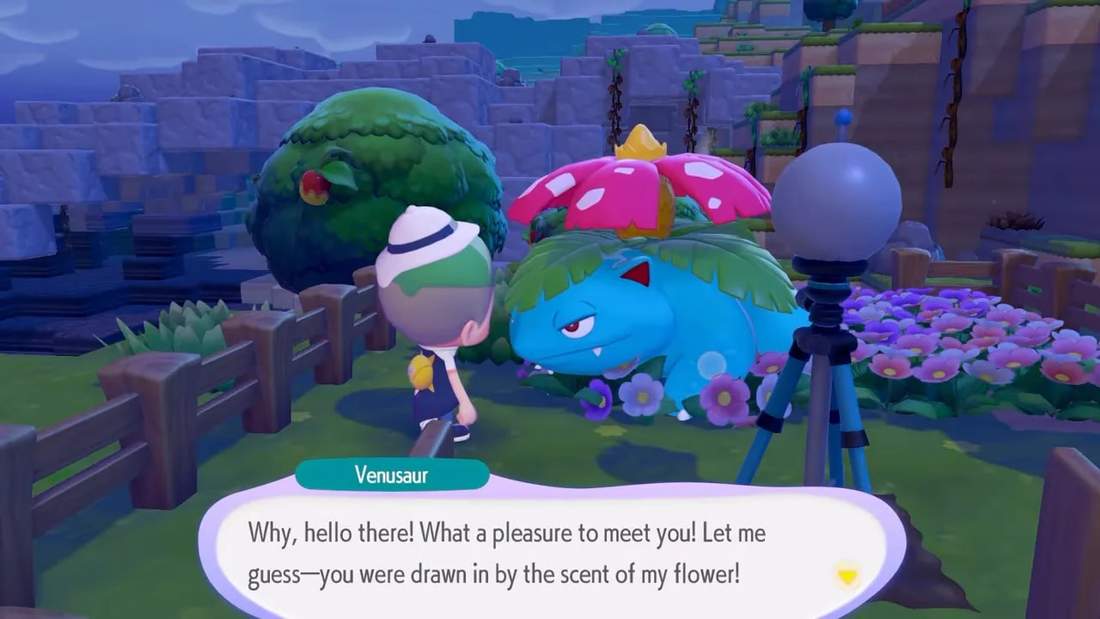
Flower beds require eight adjacent wildflower patches and can spawn Vesper Queen, Ivysaur, and Venusaur. The rotoeller ability lets you move wildflowers to build multiple large beds. Because these habitats are larger and rarer, consider adding extra cameras to monitor each one.
Campsite and Picnic set
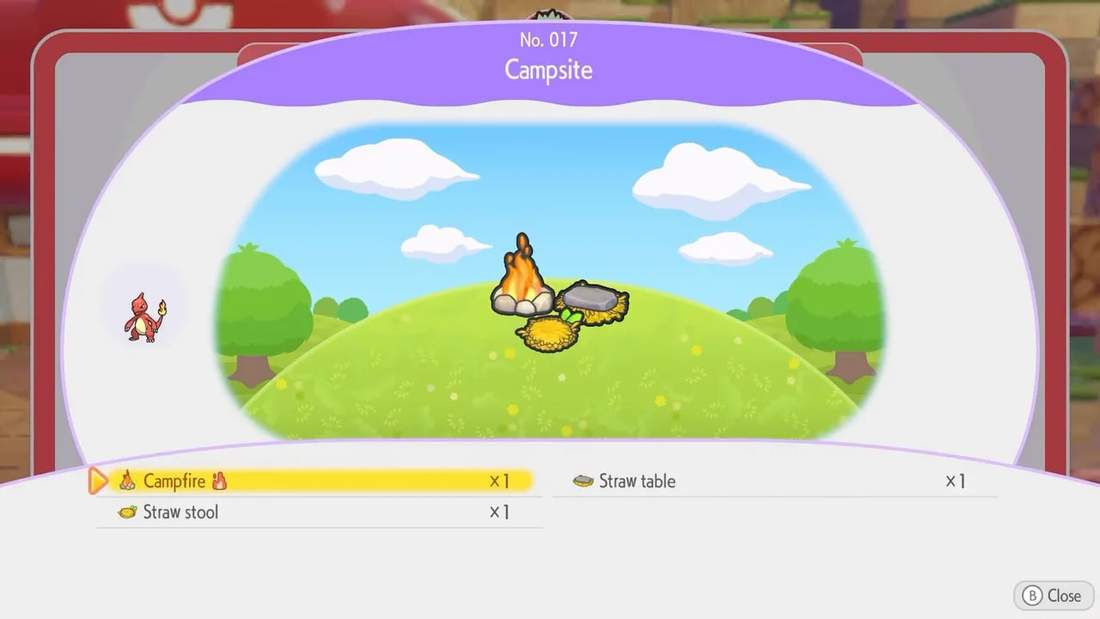
Some habitats spawn a single Pokémon. For example, build a campsite (campfire, straw stool, straw table) to attract Charmeleon. The picnic set (two seats, one table, picnic basket) attracts Pichu. These single-spawn habitats don’t need many duplicates—just place them and check the conditions (weather, time).
Monitoring spawns without constant backtracking
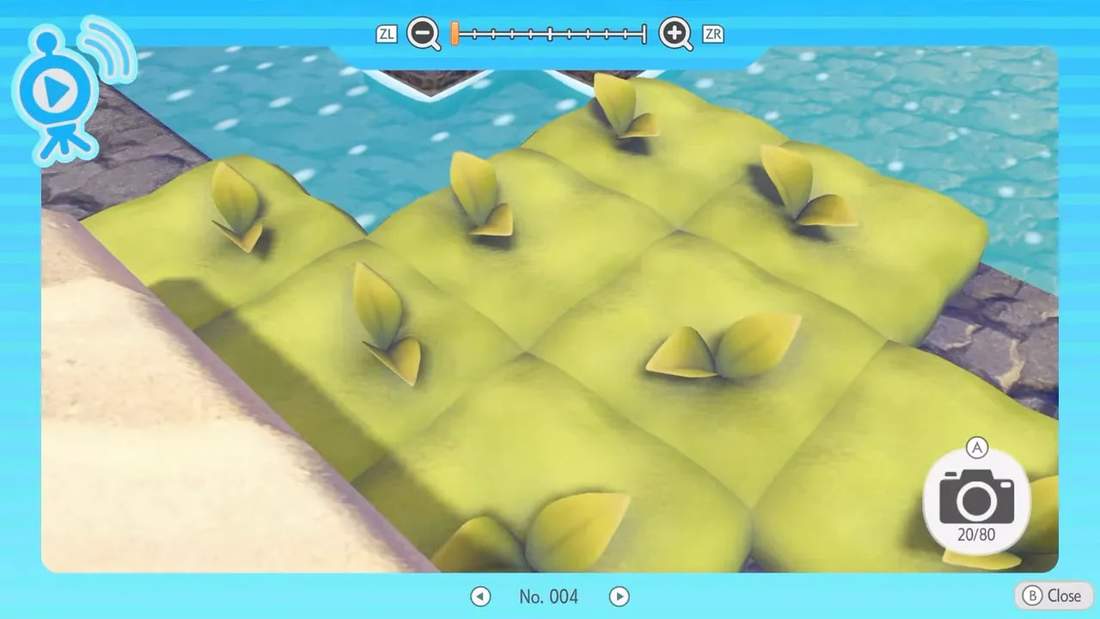
Security cameras are essential once you create several habitats. Place a camera near each cluster and you will receive notifications when grass shakes or a spawn appears. You can also view feeds through the camera menu so you don’t have to physically visit each site every time.
Date-skip technique (optional)
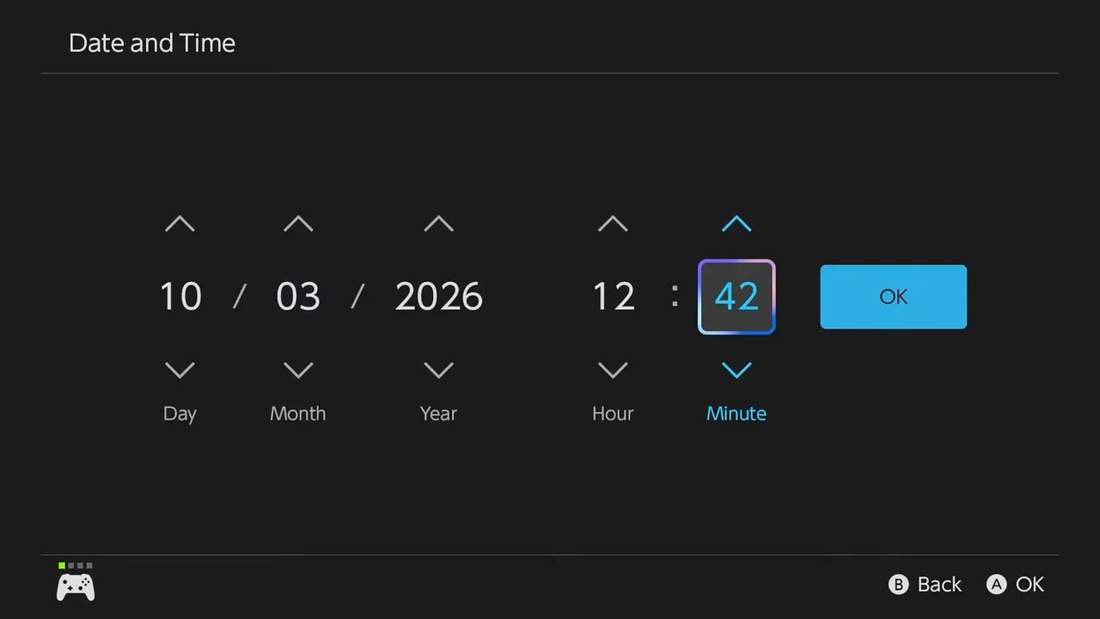
If you prefer to speed things up, you can change the Switch system date forward one day (turn off internet-synced clock first). Return to the game and habitats will get another spawn roll. This is up to your playstyle—either let time pass naturally or use date-skip to accelerate spawn opportunities.
Real results and tips
In my run, security cameras alerted me to shaking grass and rare spawns. I pulled Slowbro and Slowking from seaside tall grass and eventually Blastoise from hydrated grass after a Wartortle spawn. Charmeleon showed up quickly from a campsite when conditions were correct, and repeated tall grass clusters yielded Charizard. Venusaur finally appeared on one of the larger flower bed cameras after a long wait.
Quick checklist
- Choose a concentrated area to place many copies of the same habitat.
- Use overlapping patches—they still count as separate habitats.
- Place security cameras near each cluster for remote notifications.
- Use abilities like vine and rotoeller to create hydrated grass and move flowers.
- Optional: use date-skip to increase spawn rolls faster.
Final thoughts
How to Get RARE Pokémon Early comes down to increasing independent spawn checks in habitats that include three-star entries and then monitoring them efficiently. Duplicate the habitats you care about, keep an eye on camera notifications, and be patient or use the date-skip if you want faster results. This approach makes rare starters and other high-value spawns achievable even in the early stages of the game.
Good luck finding those rarer spawns—I found the full starter lines using this method, and you can too.