

I love single-player games because they let me set the pace, soak in the story, and avoid the chaos of online lobbies. This list of the 20 Best Single-Player PC Games pulls together a mix of genres—hardcore shooters, sprawling RPGs, tense strategy, and narrative-driven indies—that together show why PC remains the best platform for solo experiences. Each entry includes what makes it special, a few tips, and a screenshot marker so you can see the moments I mean.
How I picked these 20 Best Single-Player PC Games
I focused on games that are playable on PC in 2026, span multiple play styles, and still feel relevant. Some are recent hits, others are older classics that still influence modern design. I weighed writing, mechanical depth, replayability, and how each game respects your time. Expect plenty of RPGs and strategy titles because those genres shine on PC, but there’s something here for almost every taste.
Doom: The Dark Ages
If you want a Doom game that trades blistering speed for raw, armored power, this prequel reimagines the Doomslayer in a brutal medieval fantasy. The shift away from acrobatics toward heavy melee, parrying with the shield saw, and occasional mech or dragon sections creates a fresh, surprisingly satisfying loop. It launched huge—three million players in the first week—because it hit Game Pass day one, but the design itself stands apart.
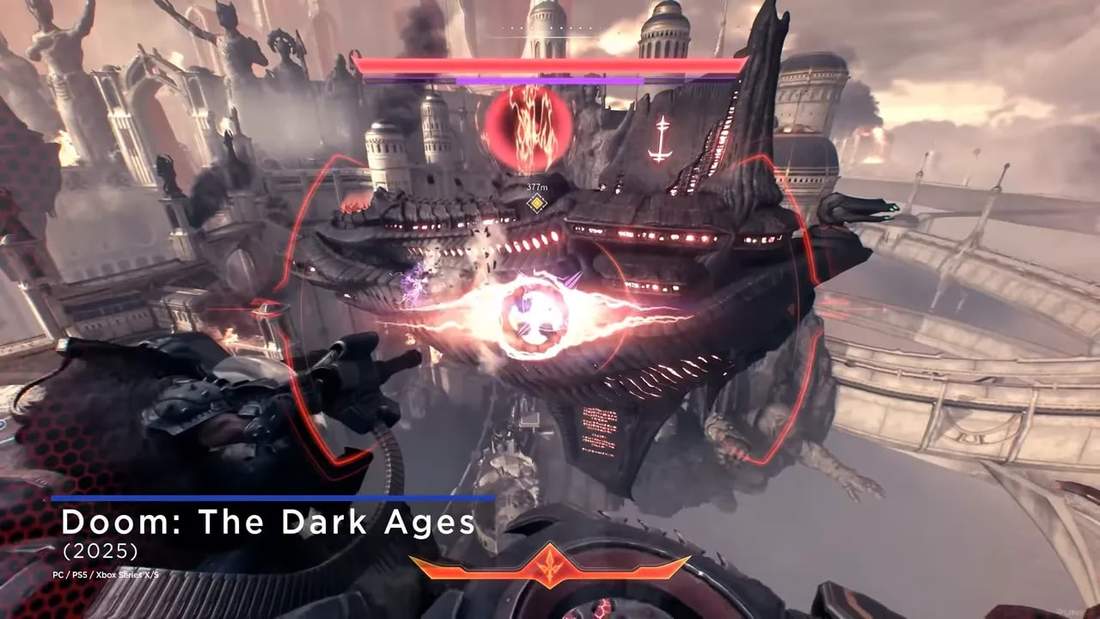
Why play it: Great for fans who like visceral melee mixed with classic Doom shooting. Expect more cutscenes and a deeper look at the Doomslayer’s backstory.
Wasteland 3
Wasteland 3 is a tactical, turn-based CRPG set in a frozen Colorado where choices hurt. You play a survivor of a failed Desert Rangers mission sent north to capture the patriarch’s rebellious children. The combat is XCOM-like but thicker with dark humor and consequences that echo through the campaign. Co-op lets you bring a friend through the whole experience, and later patches fixed many of the rough launch issues.
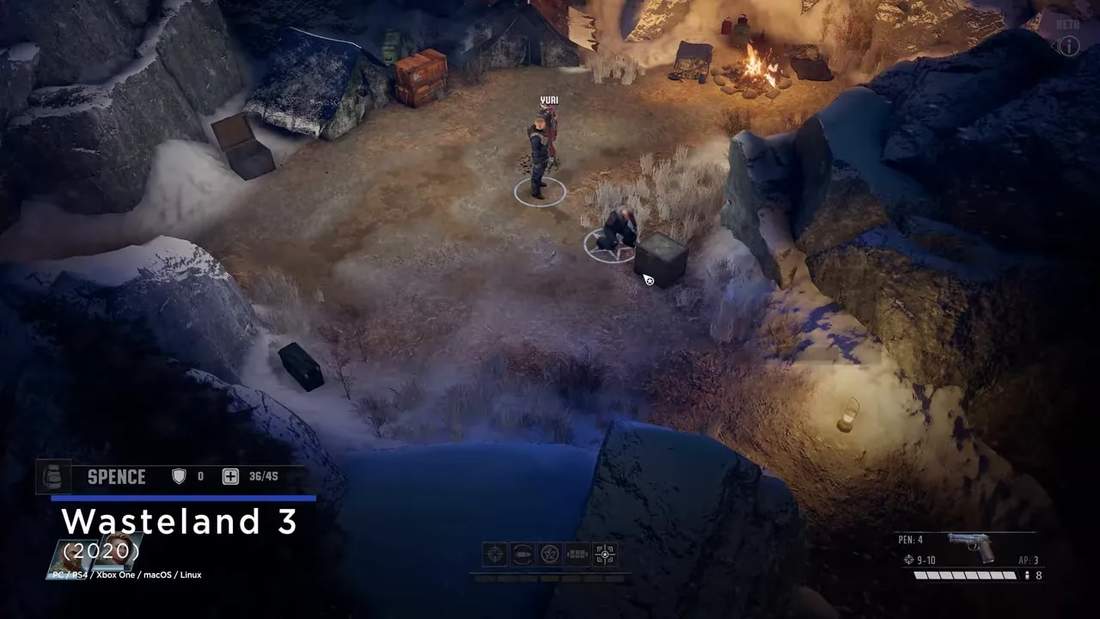
Why play it: If you love consequential decision-making, party composition, and the grimy tone of post-apocalyptic CRPGs, Wasteland 3 is solid. Tip: be mindful of long-term consequences—early choices will bite you later.
Final Fantasy VII Rebirth
This is the second part of Square Enix’s remake trilogy, taking Cloud and company across seven interconnected regions with real-time action and party synergy abilities. The PC build benefits from DLSS and higher texture settings, making it the version to play if you have the hardware. It’s a JRPG that moves the story forward with a massive soundtrack and cinematic moments.
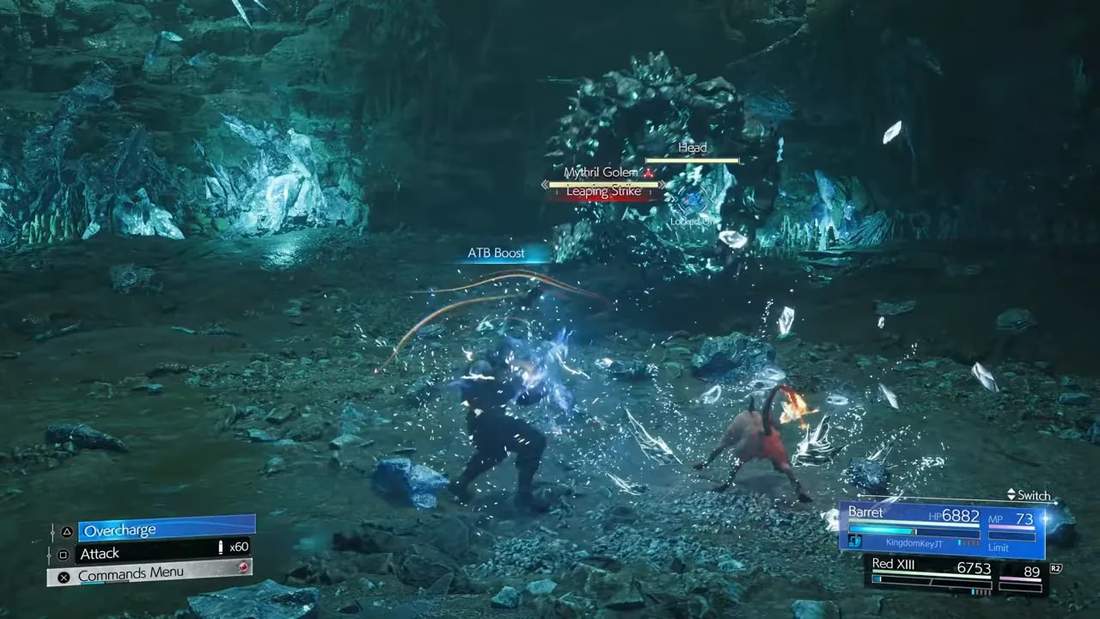
Why play it: For the synthesis of modern action and JRPG depth. Tip: experiment with synergy attacks—mixing party members opens satisfying combos and tactical options.
Hades II
Supergiant Labs managed the nearly impossible: they made a sequel that improves on Hades. You play Milanoi, fighting Kronos and diving even deeper into the underworld. The combat is faster, more aggressive, and loaded with new weapons and spells. Permanent upgrades and incantations change how the hub works between runs, and the hand-painted art remains gorgeous.
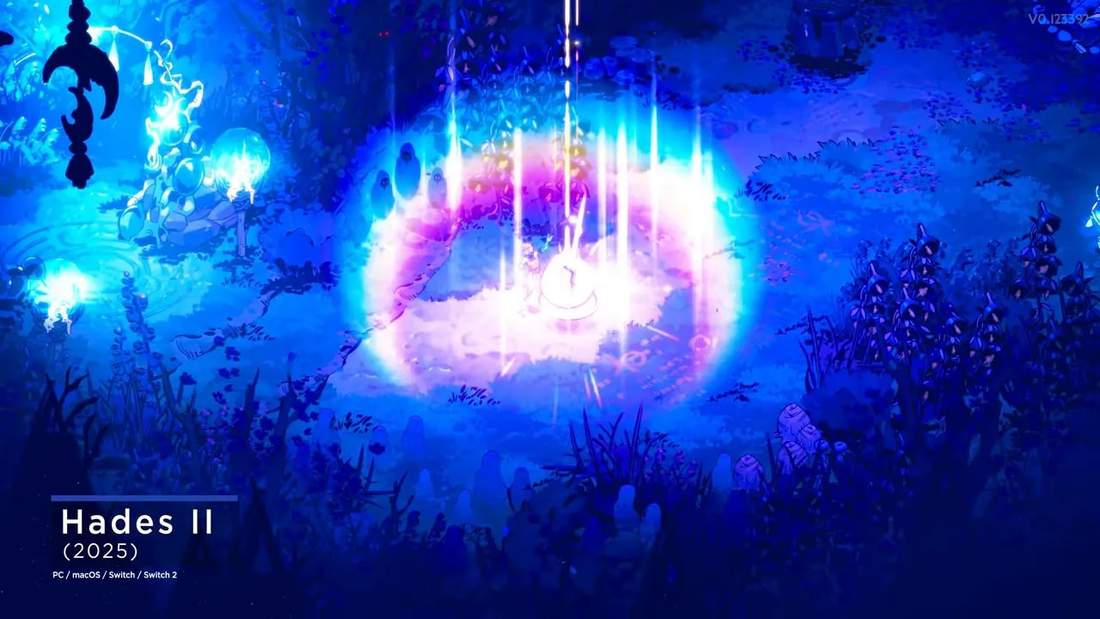
Why play it: If you liked Hades, this expands the formula; if you missed the first, you can jump in here. Tip: embrace the roguelike loop—small permanent gains compound quickly.
The Séance of Blake Manor
An indie gem inspired by Irish mythology and Victorian spiritualism, this game casts you as a detective in 1897 Ireland investigating a mysterious disappearance before a seance opens a doorway. The comic-book art style and time-management mechanics make every choice feel heavy—you have three endgame days, and every action advances the clock.
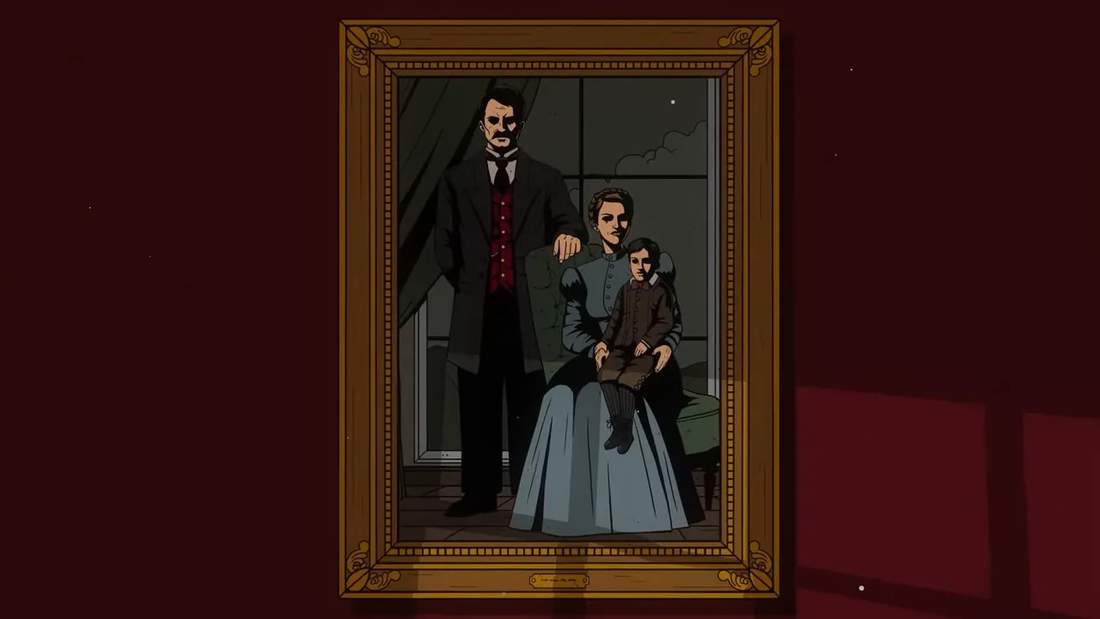
Why play it: Excellent for detective fans who want puzzles that reward careful thought. Tip: track leads in your journal and prioritize conversations that unlock new locations.
Pillars of Eternity
Obsidian’s love letter to classic isometric RPGs, Pillars is dense, philosophical, and rewarding. Play as a watcher who can peer into past lives and unravel a mystery about soulless births. The real time with pause combat is tactical and sometimes brutal. Positioning, crowd control, and damage type knowledge are crucial as the game ramps up.
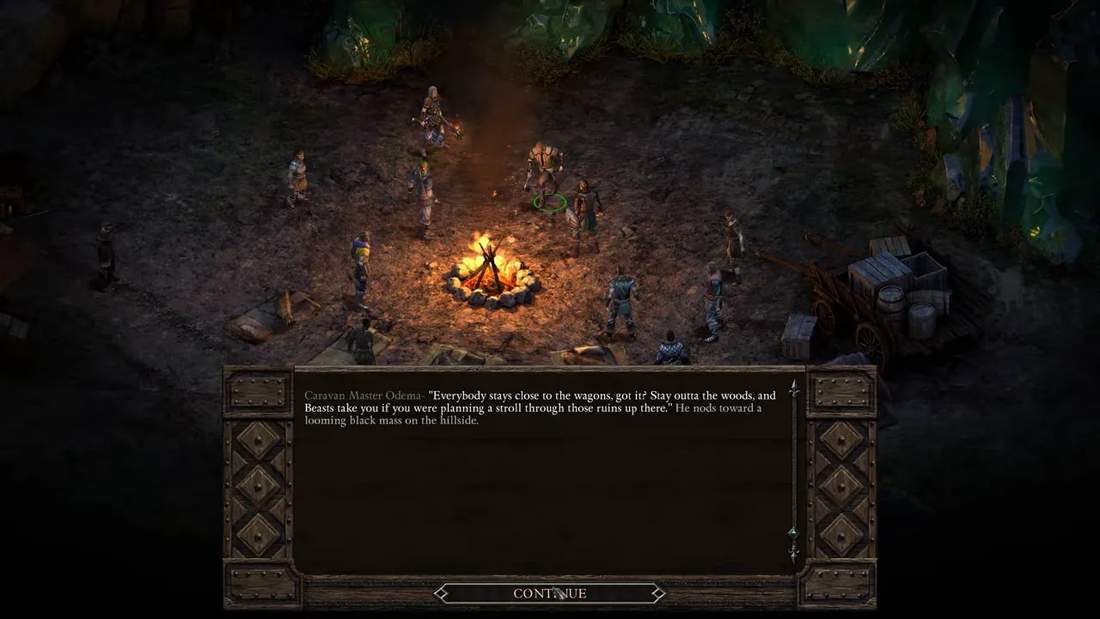
Why play it: If you want a weighty narrative and party-based tactics, this one scratches that itch. Tip: read weapon and armor tooltips—things like blunt versus piercing damage matter a lot.
Tyranny
You start on the side that won. Tyranny flips the classic fantasy premise: evil already triumphed and you are an agent of that order. The narrative refuses to simplify moral choices, and the skill-based system lets you build any kind of fatebinder you want. It’s shorter than many CRPGs but highly replayable because the world reacts sharply to your decisions.
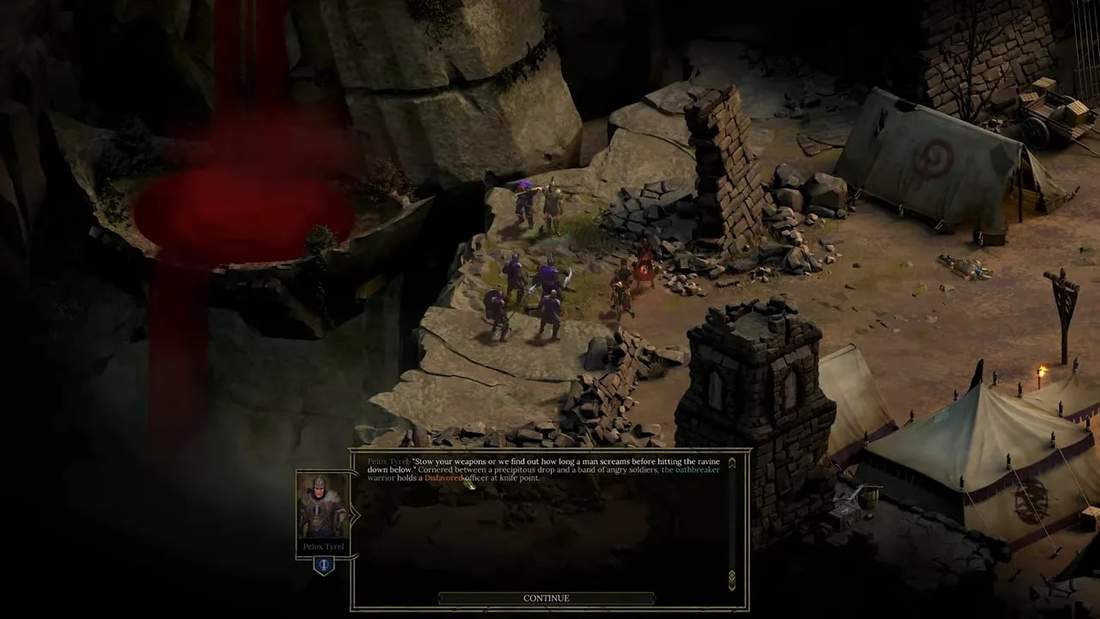
Why play it: For moral complexity and branching outcomes. Tip: don’t rush the conquest-style opening—those early choices steer character relationships and region states.
Baldur’s Gate 3
Launched in 2023 and still defining CRPG benchmarks, Baldur’s Gate 3 adapts Dungeons and Dragons fifth edition into a sprawling, living RPG with thousands of possible endings and fully voiced dialogue. The freedom is staggering—creative solutions are encouraged, and the world responds to almost everything you do.
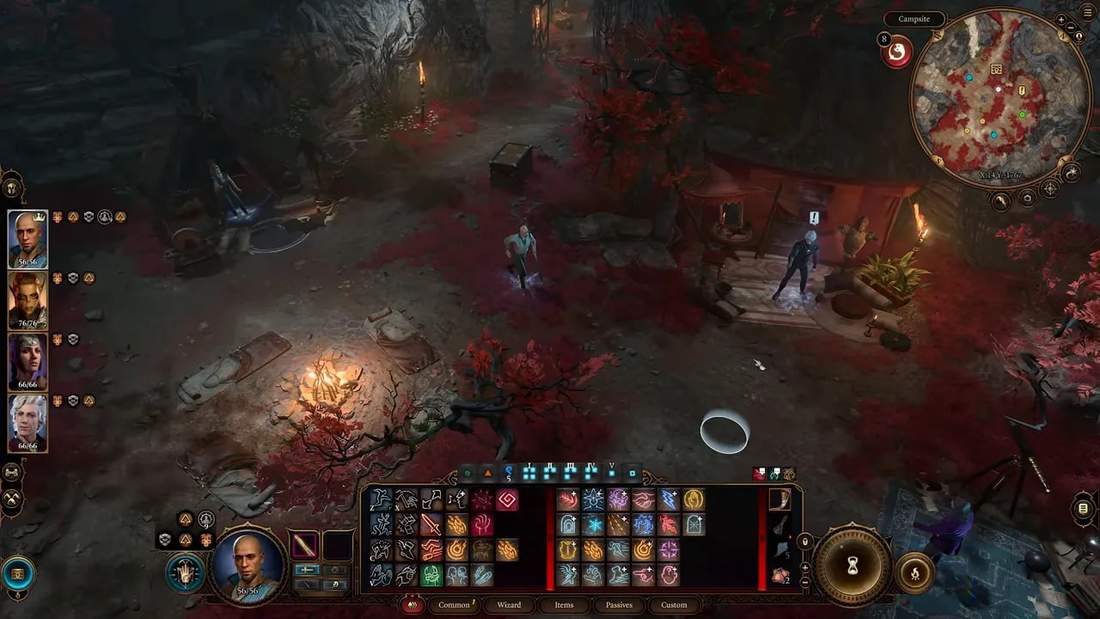
Why play it: The gold standard of modern CRPG design. Tip: try unlikely roleplay choices; the game rewards unexpected solutions and rewards creativity.
Disco Elysium: The Final Cut
This is a detective RPG like no other. The investigation unfolds through interior conversations with 24 aspects of your psyche rather than combat. The Final Cut adds full voice acting and the writing remains unapologetically dense, funny, and frequently brilliant. It’s a game that trusts your intelligence.
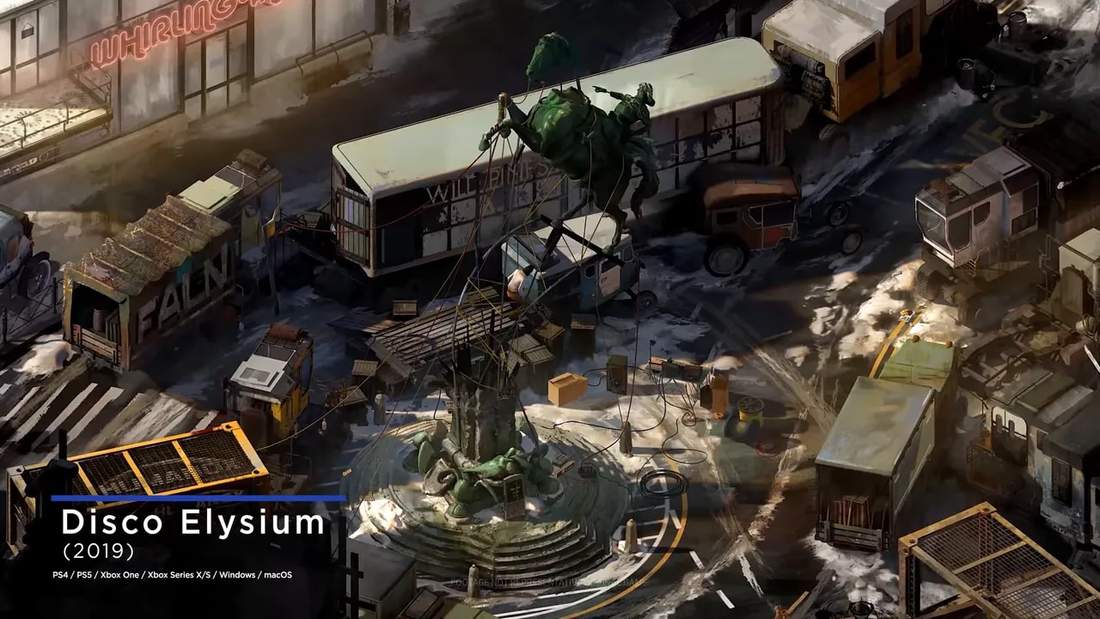
Why play it: For writing and roleplaying depth. Tip: don’t be afraid to fail checks for flavor—some of the best scenes happen when your character flails spectacularly.
Titanfall 2 (Campaign)
Even years on, Titanfall 2’s single-player campaign is one of the best-designed FPS experiences. You’re a grunt who bonds with a Titan, and the campaign’s six or so hours are packed with inventive level design that shifts between fluid pilot movement and heavy Titan combat. It’s short but unforgettable.
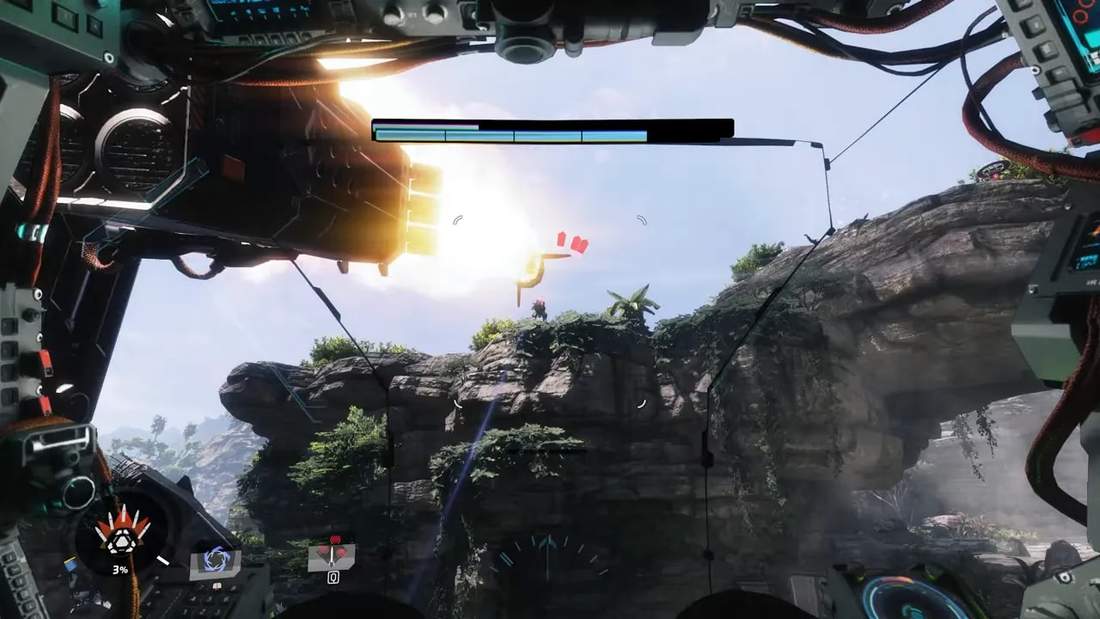
Why play it: Tight pacing, inventive set pieces, and movement that still feels exceptional. Tip: master wall-running and grapple mechanics early—they’re central to the experience.
S.T.A.L.K.E.R. 2: Heart of Chornobyl
After years of delays and a tumultuous development, S.T.A.L.K.E.R. 2 delivered a dense, oppressive return to the Zone. Resource management—hunger, radiation, weapon condition—matters, and the world is frighteningly believable. GSC Game World moved mountains to ship this, and the atmosphere is the real star.
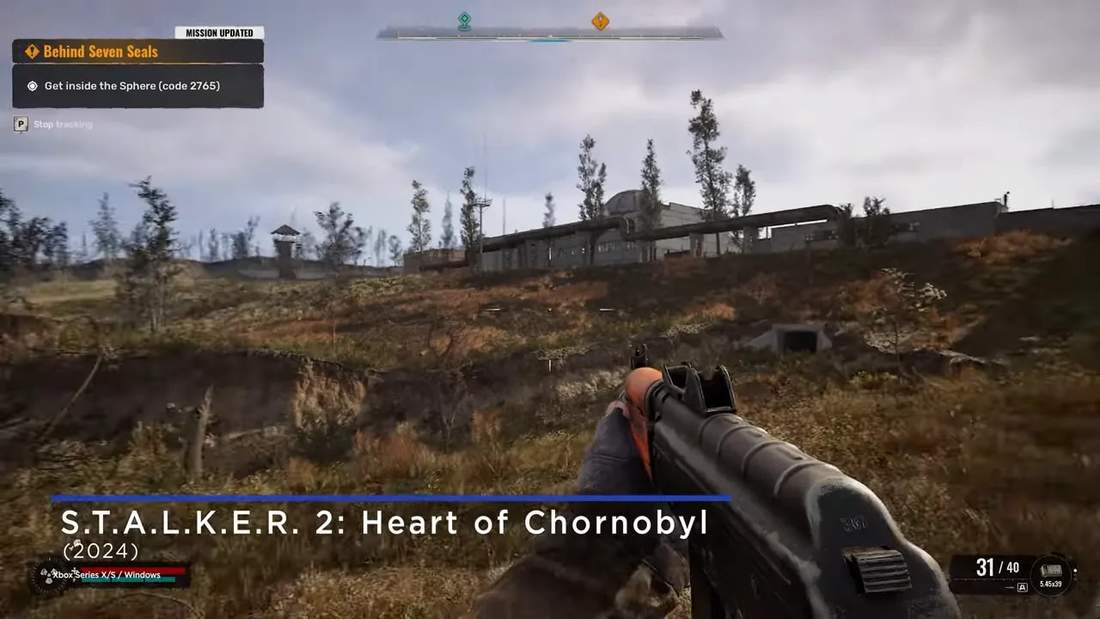
Why play it: For immersion and survival tension. Tip: learn how to read the environment and use campfires and trading to stay alive between big missions.
Cyberpunk 2077 (2.0 + Phantom Liberty)
The 2.0 overhaul and the Phantom Liberty expansion transformed Cyberpunk into a much deeper, more coherent experience. Police systems, vehicle combat, cyberware redesigns, and new skill trees make the game far more rewarding. Phantom Liberty raises the level cap, introduces the relic tree, and adds new narrative beats with standout performances.
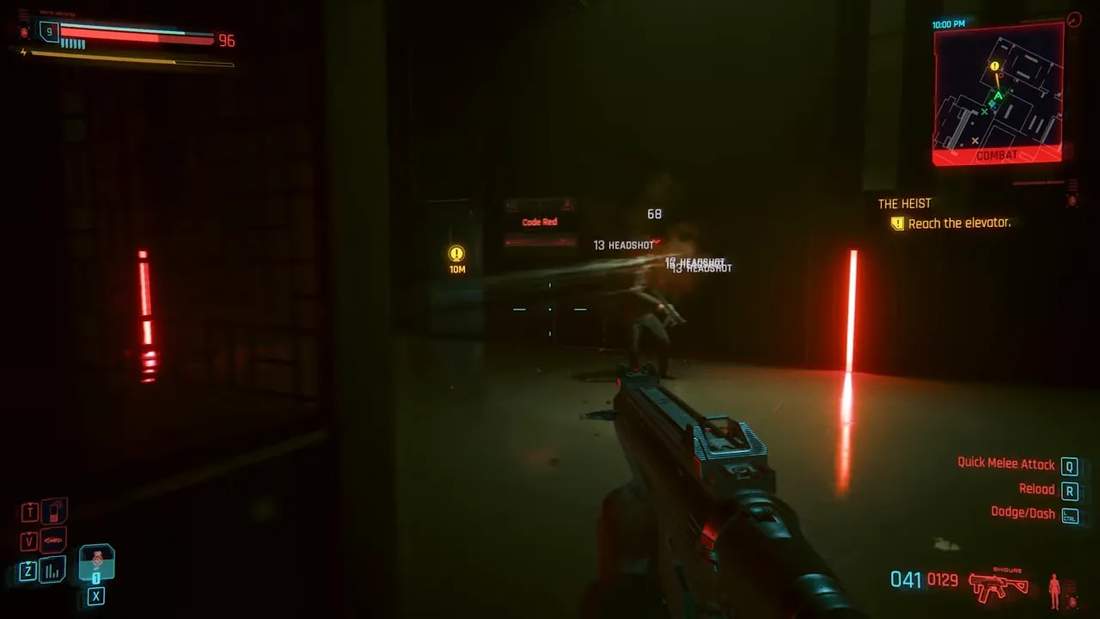
Why play it: Night City finally feels alive and mechanically interesting. Tip: revisit the game after the update—choices you make in how you build V open drastically different approaches to combat and stealth.
Clair Obscur: Expedition 33
A breakout debut that blends turn-based strategy with real-time inputs. Set in a dark fantasy France, the premise—an annual painter who paints a number and causes everyone of that age to die—drives a tense, stylish RPG. Combat requires rhythm and timing during your turn and rewards precise aim and counters.
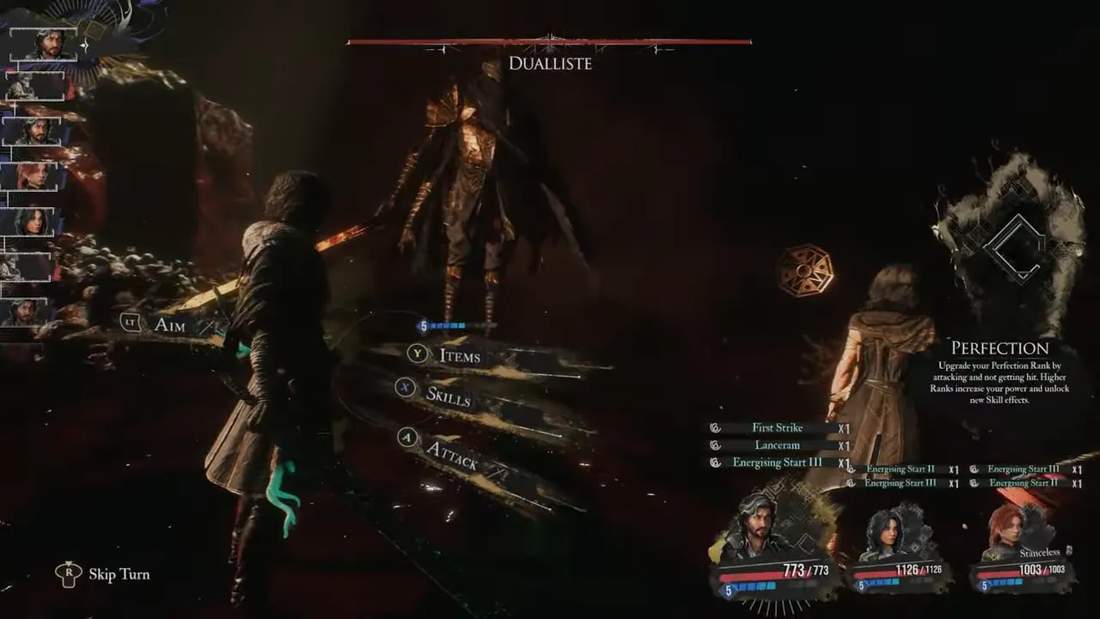
Why play it: If you want a fresh take on turn-based combat with a bold premise. Tip: learn the rhythm-based counter system; chaining combos is incredibly satisfying.
Desperados III
Think of Commandos but set in the Old West, with tight stealth and multiple approaches to every encounter. Timing and small improvisations make missions sing. The satisfaction from executing a carefully timed plan is immense, and the AI systems reward creative distractions and coordinated takedowns.
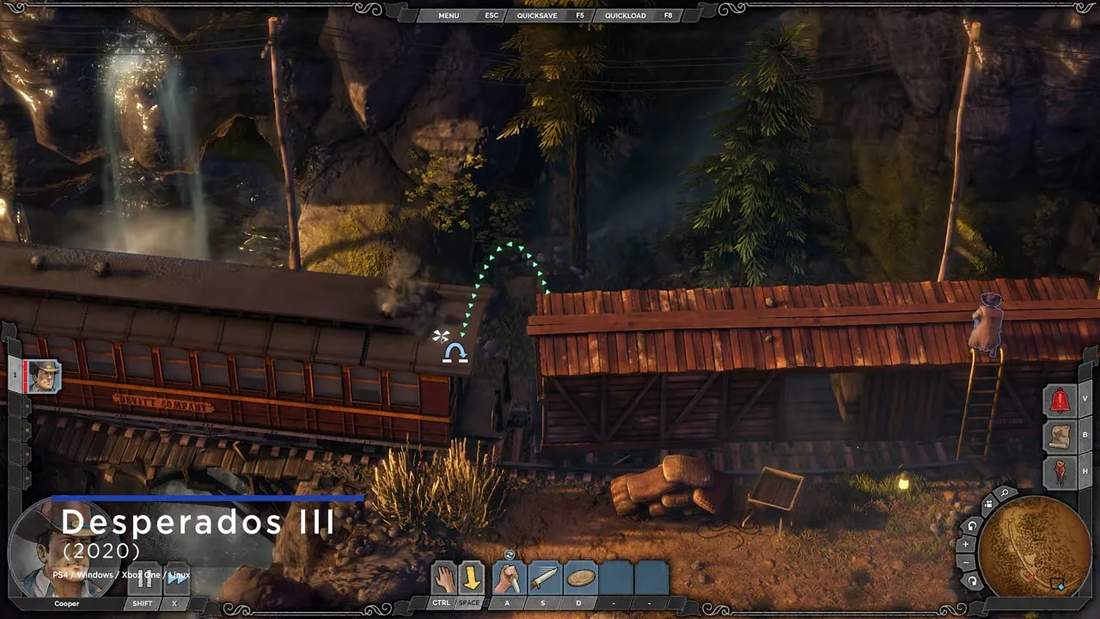
Why play it: For stealth puzzle fans who like methodical planning. Tip: experiment with different squad permutations; many maps have multiple viable strategies.
Fallout 4
Whether you loved or hated the controversy over its streamlined dialogue, Fallout 4 still delivers a compelling post-apocalyptic sandbox. Settlement building splits opinion, but gunplay and weapon modding are improvements over earlier entries. The main story about finding your son provides genuine emotional beats amid the wasteland.
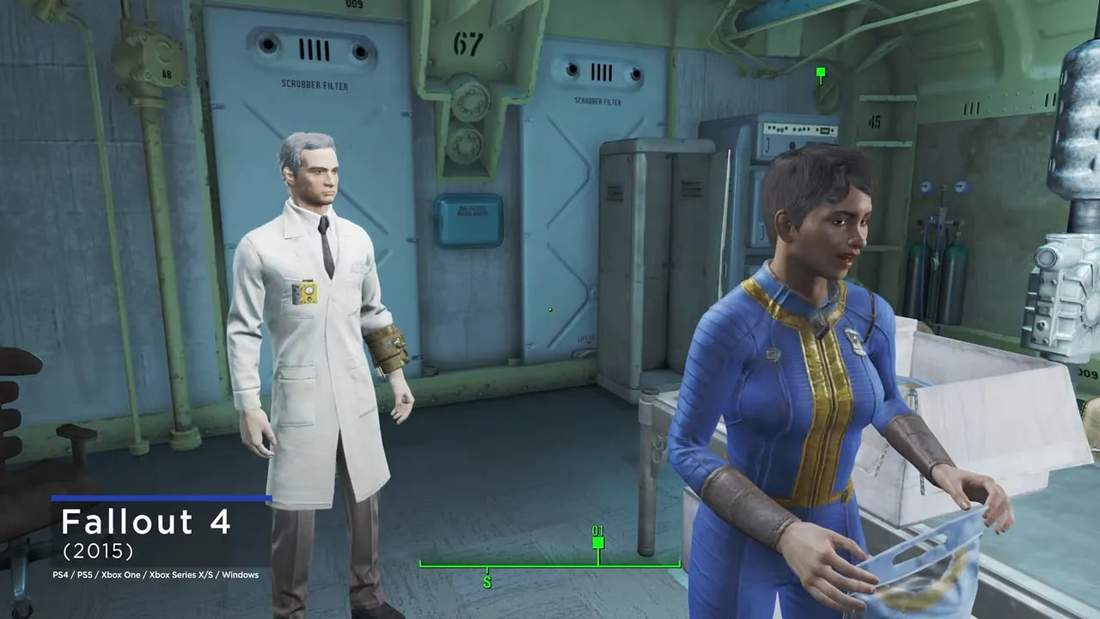
Why play it: Big sandbox, mod support, and excellent combat for an RPG of its era. Tip: build settlements only if you enjoy that type of play—the game works well if you ignore the system and focus on exploration and quests.
Starfield
Starfield is Bethesda’s long-gestating space RPG and a massive sandbox for player-driven stories. The planet-to-planet loop—land, loot, read a diary entry, steal something, blast off—can be addictive. It launched rough but has improved with updates that add crew mates and reasons to explore.
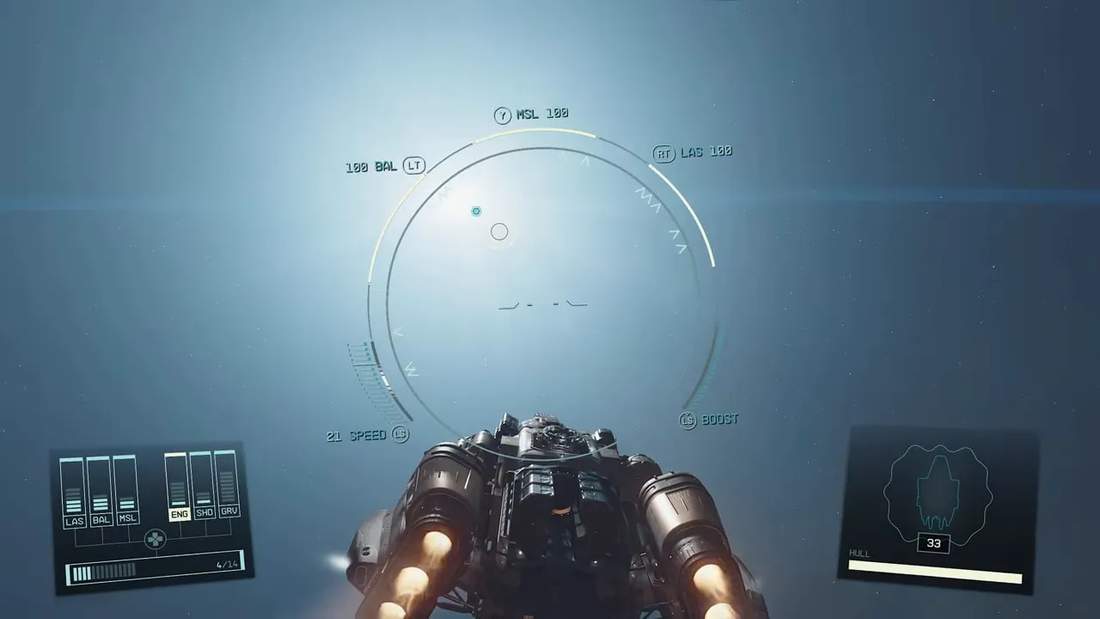
Why play it: For a sprawling sci-fi sandbox on PC. Tip: try smaller outposts and side stories; the best stories in Starfield often come from chance encounters.
XCOM 2
XCOM 2 remains one of the most intense strategy games. Its permadeath and tactical combat create real stakes. Managing resources, soldier development, and long-term strategy is as important as turn-by-turn combat. It’s unforgiving, and that’s the point—every victory feels earned.
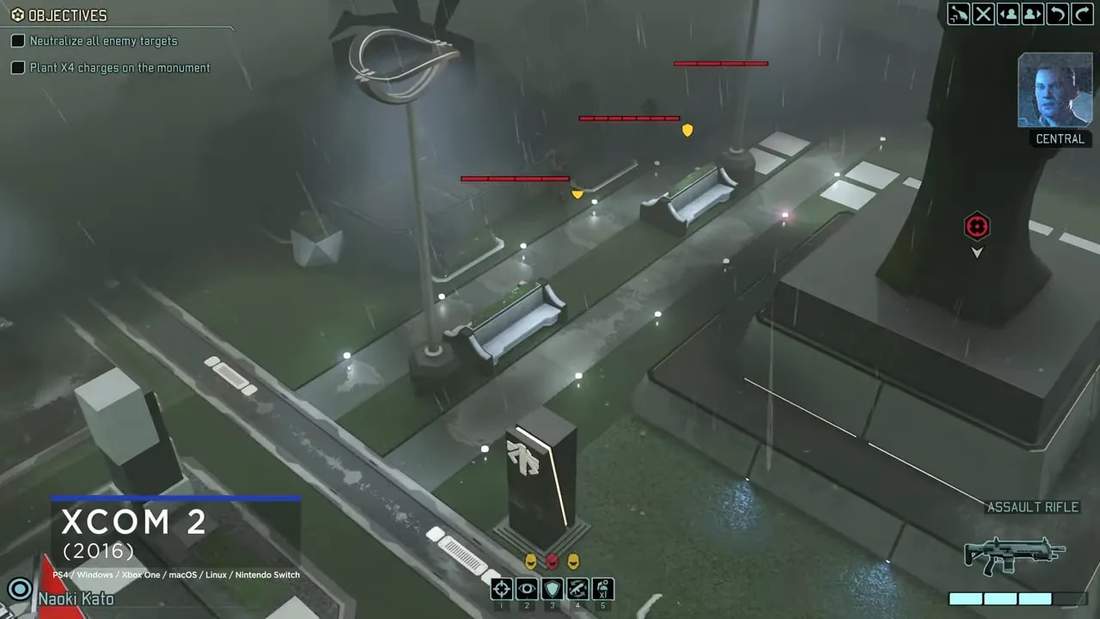
Why play it: For high-stakes, methodical strategy. Tip: diversify your squad roles and never underestimate cover and overwatch; small mistakes compound quickly.
Mass Effect 2
One of my all-time favorites, Mass Effect 2 perfected modern party-driven narrative design. Each squadmate has a loyalty mission that deepens their character and creates emotional investment. The pacing, the decisions, and the way crew loyalty impacts the finale make replaying this a must for RPG fans.
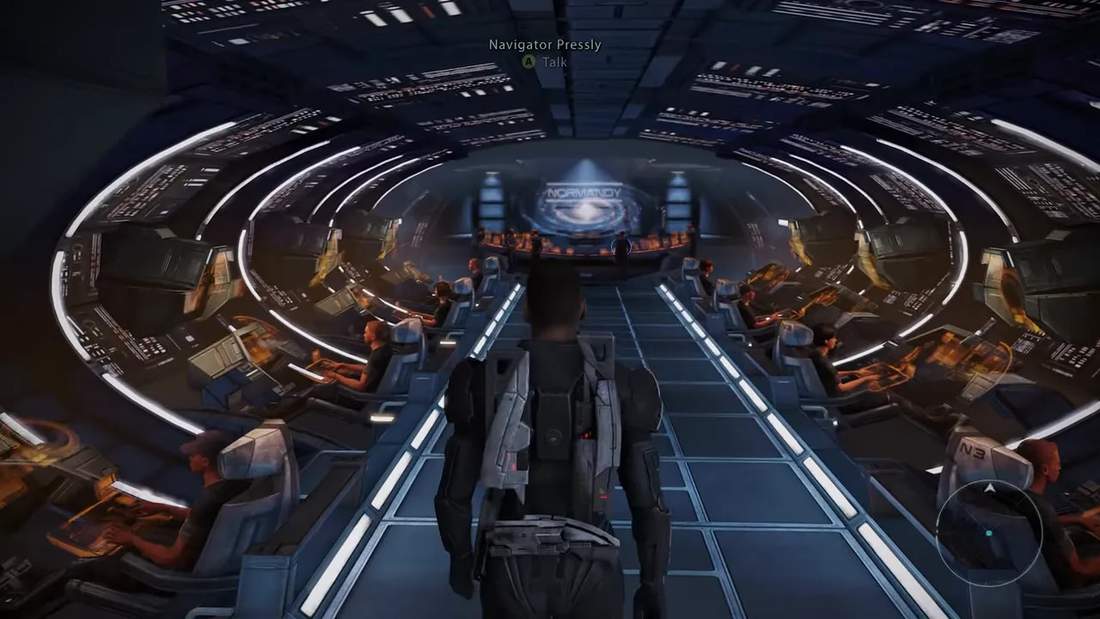
Why play it: For cinematic storytelling and squad-driven drama. Tip: invest time into loyalty missions—skipping them reduces the emotional weight of the endgame.
Red Dead Redemption 2
Rockstar’s masterpiece of open-world design is slow-burning and absorbing. The story balances gang loyalty with the inevitability of change, and the level of environmental detail is staggering. Many players savor quiet exploration, hunting, and the small interactions that make the world feel alive.
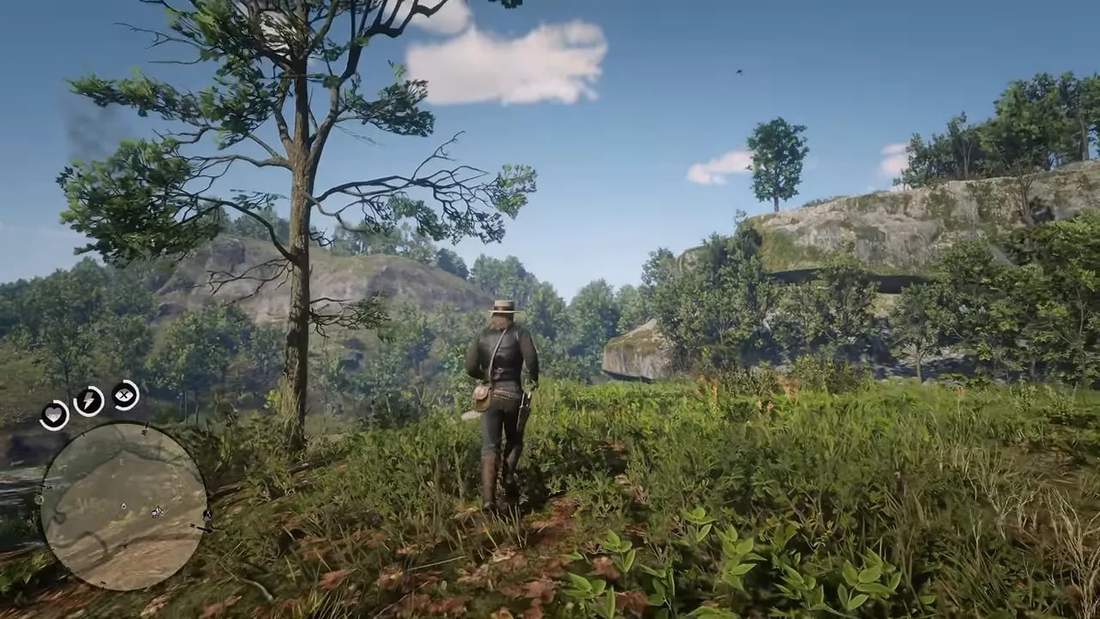
Why play it: For immersion and narrative craft. Tip: slow down—Red Dead rewards patience. The quieter moments are often the most memorable.
Why these 20 Best Single-Player PC Games still matter
This selection shows the range possible in 2026. Some games push mechanical boundaries, others double down on storytelling or atmosphere. Across genres, the common thread is investment: systems that reward learning, writing that respects players, and worlds that invite exploration.
- Replay value: Many entries (CRPGs, strategy games) change dramatically on subsequent plays.
- PC advantages: Higher fidelity, mod support, precise controls, and better frame rates when the hardware is right.
- Design variety: From rhythm-influenced turn-based combat to narrative-heavy dialogue systems, single-player games continue to innovate.
How to choose which of the 20 Best Single-Player PC Games to play next
Pick based on mood and time. Want a tight six-hour experience? Try Titanfall 2. Looking for hundreds of hours and endless story branches? Go with Baldur’s Gate 3 or the Mass Effect trilogy. Craving atmosphere and tension? S.T.A.L.K.E.R. 2 and Red Dead 2 deliver in different ways.
Consider hardware, too. Some of these games scale beautifully on high-end rigs (Final Fantasy VII Rebirth, Baldur’s Gate 3), while others are playable on more modest setups (Disco Elysium, Desperados III).
Quick recommendations
- Short and brilliant: Titanfall 2
- Deep and replayable: Baldur’s Gate 3
- Story-first: Disco Elysium
- Action and spectacle: Doom: The Dark Ages
- Strategy with stakes: XCOM 2
Final thoughts on the 20 Best Single-Player PC Games
Single-player games remain a vital space for designers to experiment with narrative, systems, and atmosphere. Whether you want to carve a path through a city block, argue with your own psyche, or lead a squad of misfits across a frozen wasteland, the 20 Best Single-Player PC Games above represent the best ways to spend solo time on PC in 2026.
If you haven’t played some of these, I recommend trying at least three across different genres to get a full sense of what modern single-player design can do.