
Pokopia! Pokopia Starter Tips is your roadmap to an efficient, fun first day on the island. I jumped in and immediately fell in love with the habitat system — you can mix and match items to spawn new Pokémon, terraform the land, farm, and build your way through the story. Below I’ve distilled everything I wish I knew on day one: what to prioritize, which Pokémon to unlock early, and how to use time travel and habitats to speed progress.
Why habitats are everything
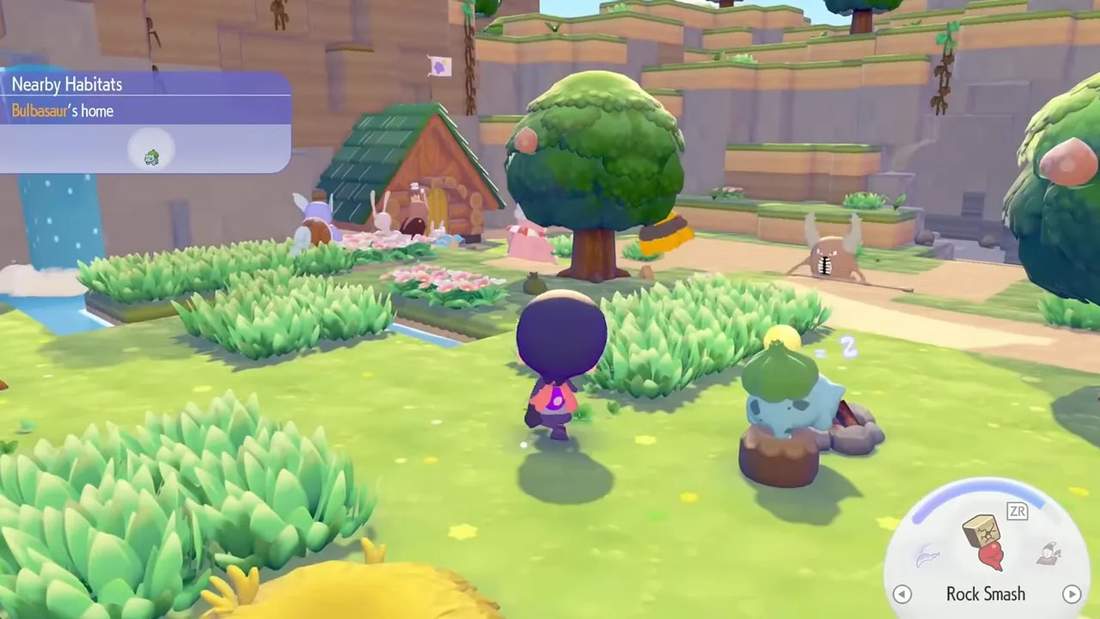
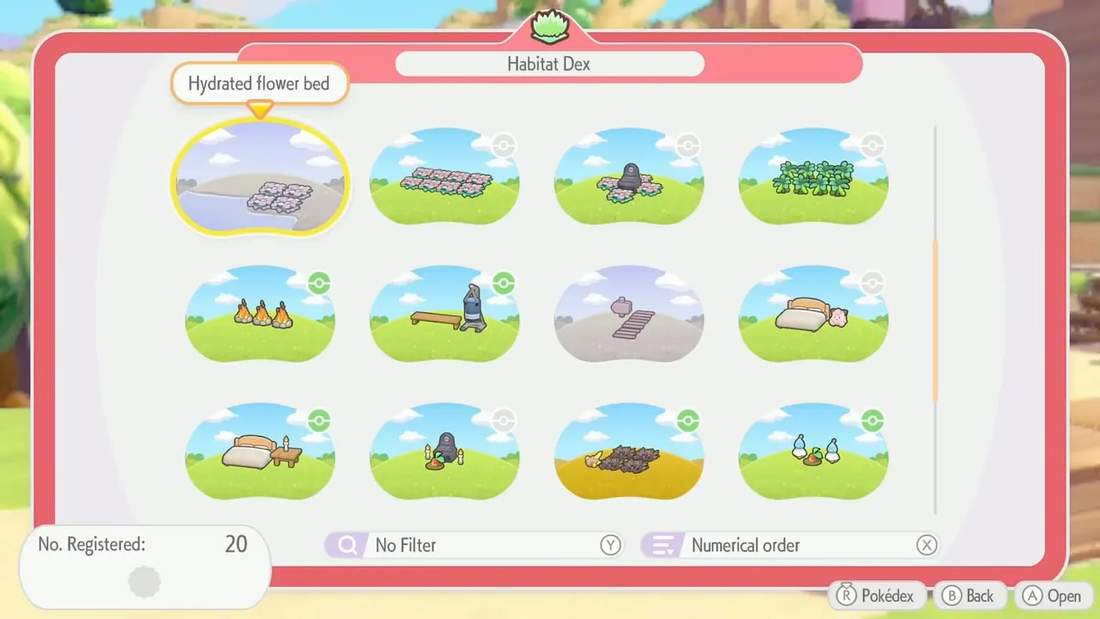
The habitat system is the core loop. Place things like grass, flowers, trees, rocks, lights, benches, or water near one another and new Pokémon will appear. The combinations matter. Small changes spawn different species, including rarer variants when you create elevated or larger habitat patches. I spend most of my time experimenting — it’s surprisingly addictive and the fastest way to diversify your team.
Practical habitat tips
- Mix items — put lights next to grass, add a tree beside a flower patch, or drop rocks near tall grass.
- Make larger patches — bigger patches unlock different spawns than tiny ones.
- Try elevation — do the same setups on mountaintops to get elevated variants.
- Watch specialty icons — some Pokémon bring benefits like hype (they dance when there’s music), build, grow, or terraform.
Early Pokémon to chase and why
Prioritize a handful of spawns that unlock vital skills and materials.
- Scyther (Cut) — essential for harvesting flowers and trees to get seeds. Spawn by watering the starting tree and growing at least four grass tiles around it. First spawn often gives you Scyther; subsequent repeats give other related Pokémon.
- Timber (Build) — unlocks timber for building. Put four grass tiles around a rock to spawn Timber near that rock.
- Hitmonchan / Rock smash — rock smash unlocks terraforming and reveals wet rock nodes that turn into water sources. Put a punching bag next to a log bench to create the Hitmon habitat and complete his quest to get rock smash.
- Magikarp / Jump — once rock smash opens a cave to the ocean, talk to Magikarp and set up a tiny fishing/log-stool habitat to unlock jump. Jump changes traversal instantly and is worth doing early.
How to farm seeds and create new habitats
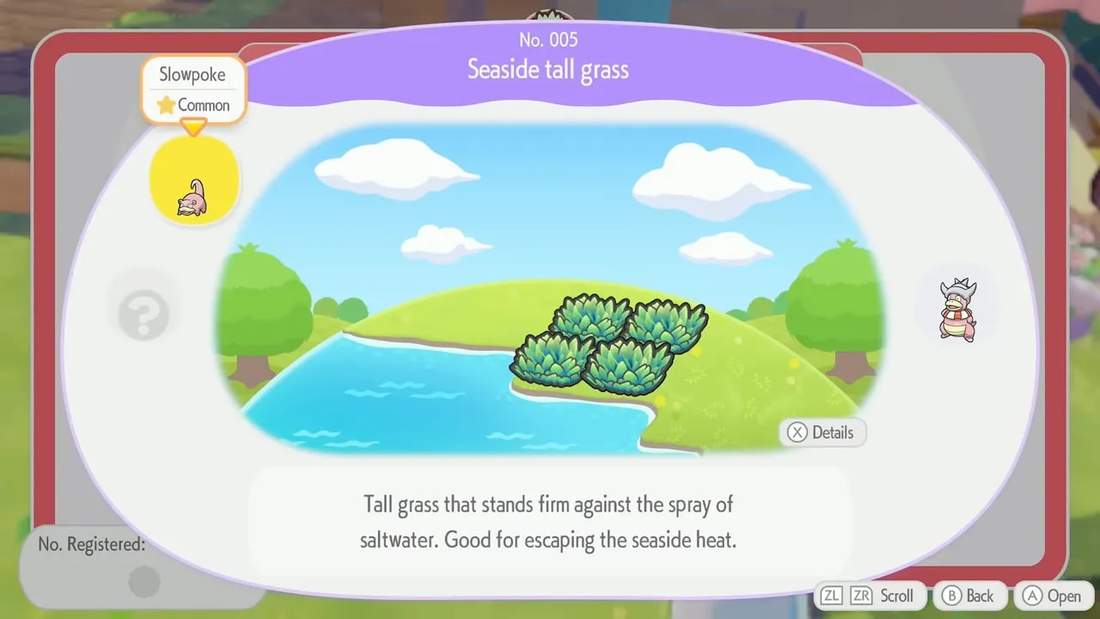
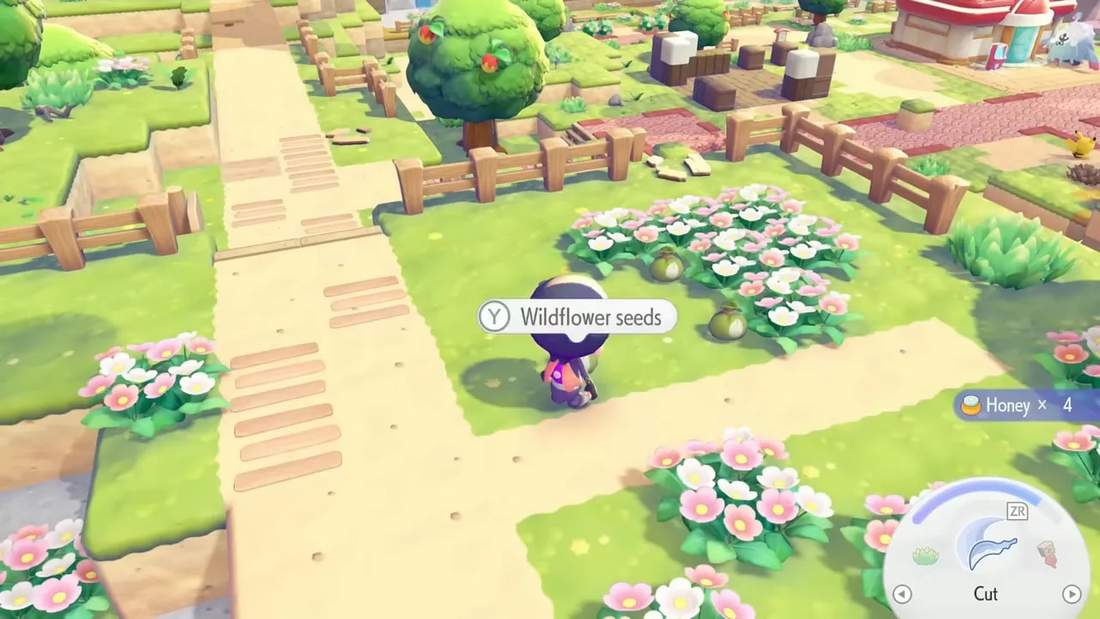
Once you have Cut, start chopping flowers and trees. That drops wildflower and tree seeds you can plant to craft different flower beds and tree clusters. Pair seeds with a grass or water base and a few adjacent items to create new habitat types.
- Chop flowers to collect wildflower seeds.
- Chop tree stumps after cutting to get tree seeds you can replant.
- Use growing-type Pokémon (grass specialists) to speed large patches.
Terraforming and water: how rock smash changes the island
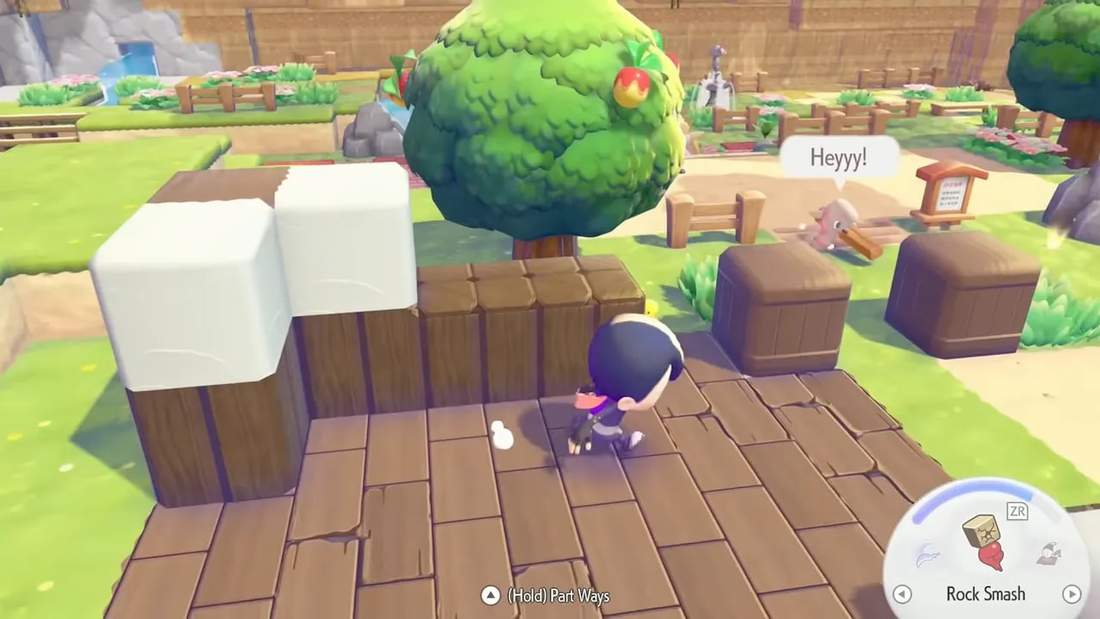
Rock smash isn’t just for breaking boulders. It lets you raise and lower 4×4 terrain blocks and smash wet rock nodes to release water. Water opens hydrated habitats, which are required to spawn many water and seaside Pokémon.
Buildings, helpers, and construction basics
Building requires Pokémon with specialty tags like build or fly and the right materials. You can have up to five Pokémon follow you to gather resources, then assign them and the materials to a construction project.
- Gather five followers — hit up on the D-pad to have a Pokémon follow you.
- Assign resources — when a build is queued the game calculates the real-world time needed to finish.
- Small builds usually take 1–2 hours; large builds can take a full day.
Time travel: fast-forward without penalty (mostly)
Time travel is extremely convenient. To speed up builds or wait out short timers, turn off the synchronized clock in system settings and change the console date/time forward by hours or days. The game reloads into the new day automatically so builds finish and events progress.
A few important cautions:
- Complete daily tasks first — stamp cards and daily challenges give week-long rewards. Time traveling before claiming stamps can make it harder to meet weekly requirements.
- Avoid time travel during rain if you want rain events to persist. Changing the date/time stops active rain, which can affect “greenified” island states.
Farming and the roto-tiller
Seeds like beans let you grow crops but you need the roto-tiller to plant. To get it, use rock smash to reach Drillbur deeper in the map. Drillbur teaches tilling, and once you have the roto-tiller you can turn empty plots into productive farms.
First-day checklist: get these done
- Follow main scenario quests — they guide you to critical unlocks and early Pokémon spawns.
- Spawn Scyther by watering the starter tree and surrounding it with four grass tiles.
- Unlock Cut and start harvesting flowers and trees for seeds.
- Spawn Timber for building resources by putting four grass tiles around a rock.
- Get rock smash from the Hitmon habitat (create a bench + punching bag habitat).
- Use rock smash to free water nodes and open the cave to the ocean.
- Talk to Magikarp at the ocean to unlock Jump.
- Collect honey and seeds continuously — they matter for materials and habitats.
Final thoughts
Pokopia! Pokemon Pokopia Starter Guide boils down to experimentation and prioritizing unlocks. Focus on Scyther for Cut, Timber for building, Hitmonchan for rock smash, and Magikarp for jump. Mix and match items to discover new habitats, farm seeds to expand options, and use time travel carefully to speed builds without losing weekly rewards. Most of all, have fun experimenting — that’s the heart of the island.
If you want a deeper dive into specific habitat combinations or a step-by-step guide to rock smash routes, say the word and I’ll write a follow-up.