A great game can survive a lot. Apparently, being released directly between Battlefield and Call of Duty is not one of those things.
That is what makes these franchise disasters so frustrating. I am not talking only about bad games that sold badly. I am talking about promising series buried by impossible expectations, developers secretly making something other than the game they were hired to deliver, licensing arguments, and publishers chasing whatever made money five minutes ago.
I am using “died” fairly loosely here. Some of these franchises still get remakes, remasters, or the occasional strange spin-off. Others have uncertain futures rather than confirmed endings. The point is that their momentum, identity, or prospects for a proper continuation took a spectacular hit. And in most cases, it did not have to happen.
Key Takeaways
- Titanfall, Dead Space, and Prototype lost momentum through poor scheduling, unrealistic expectations, or reduced support.
- Several franchises damaged their identities by chasing trends rather than building on their strengths.
- Impossible deadlines, licensing complications, and troubled publisher relationships could derail even established series.
- Not every franchise here is permanently dead: some remain dormant, survive through reissues, or face uncertain futures.
Table of Contents
- 20. Titanfall: A Great Shooter in a Terrible Release Window
- 19. Dead Space: When Millions of Sales Still Aren’t Enough
- 18. Dead Rising: Secretly Trying to Become The Last of Us
- 17. MotorStorm: Catastrophically Unfortunate Timing
- 16. Splatterhouse: Agreeing to One Game, Then Making Another
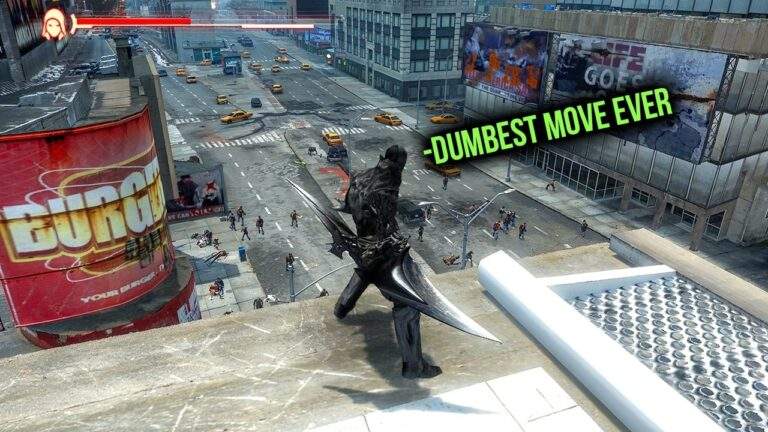
- 15. TimeSplitters: A Revival Built on Several Bad Bets
- 14. Prototype: Success Wasn’t Enough to Escape the Call of Duty Mines
- 13. Duke Nukem: Chasing the Perfect Shooter for 14 Years
- 12. Front Mission: Repeatedly Trying to Escape Its Own Strengths
- 11. Shenmue: An 18-Year Wait for Almost No Progress
- 10. Command & Conquer: Turning a Spin-Off Idea into the Grand Finale
- 9. Blood: An Impossible Deadline for a Sequel Nobody Could Finish
- 8. Judgment: A Successful Series Tangled in Likeness Rights
- 7. SimCity: Requiring the Internet to Build a City Alone
- 6. Conker: An Adult Comedy Nobody Seemed to Know How to Sell
- 5. Ultima: Punished for Failure and Trapped by Success
- 4. Marvel vs. Capcom: Corporate Synergy Meets a Fighting Game
- 3. The Conduit: A Water Game Allegedly Cancelled Over a Leak
- 2. Shadowrun: A Great Setting with No Consistent Direction
- 1. Dave Mirra Freestyle BMX: Replacing a Sports Identity with BMX XXX
- The Most Frustrating Part Is How Avoidable Most of This Was
20. Titanfall: A Great Shooter in a Terrible Release Window
Titanfall 2 arrived on 28 October 2016. Perfectly normal release date for a big shooter, right? Except EA had released Battlefield 1 exactly one week earlier, and Call of Duty: Infinite Warfare followed one week later.
EA put its smaller shooter franchise between its own enormous shooter and the biggest name in the genre. I understand Battlefield competing with Call of Duty. I do not understand throwing Titanfall into the middle and expecting everybody to buy three expensive games in three weeks.
This was not a problem that became obvious only afterwards. Analysts warned that the proximity to those releases would hurt sales. EA boss Andrew Wilson defended the schedule by pointing to the popularity of shooters and the different motivations of their audiences. Fine, but a popular genre does not give people unlimited money or time.
I consider Titanfall 2’s campaign one of the best examples of that cinematic FPS style. It was also a substantial improvement over the first game in several ways. Yet its launch sales were reported at roughly a quarter of its predecessor’s.
The release window denied a brilliant sequel room to breathe. Then Apex Legends became an unexpected success, giving the studio another major priority. Titanfall did not simply lose a sales contest. It lost the chance to establish itself outside the shadow of much bigger competitors.
19. Dead Space: When Millions of Sales Still Aren’t Enough
Dead Space is what happens when a publisher sees a successful horror franchise and decides that steady growth is somehow a failure.
The original sold around two million copies. Dead Space 2 reached roughly four million. Reported development budgets were about $37 million for the first and somewhere between $47 million and $60 million for the second, with additional marketing costs.
I would not turn those figures into a definitive profit calculation. Copies sold multiplied by full retail price is not what a publisher actually receives. But the underlying frustration remains: this was a horror series building a substantial audience, not an obscure experiment nobody wanted.
EA’s marketing and expansion plans did not always help. The shock advertising, including the campaign built around disapproving mothers, seemed more interested in provoking a reaction than explaining the appeal. Novels and animated films expanded the setting, but also added expense around a series already being judged against enormous expectations.
Then Dead Space 3 tried to become something else:
- More conventional third-person shooting, including human enemies and cover-based encounters.
- Universal ammunition that weakened the tension around managing different weapons.
- A weapon-crafting system tied to resource microtransactions.
- A major emphasis on co-op in a series built around isolation.
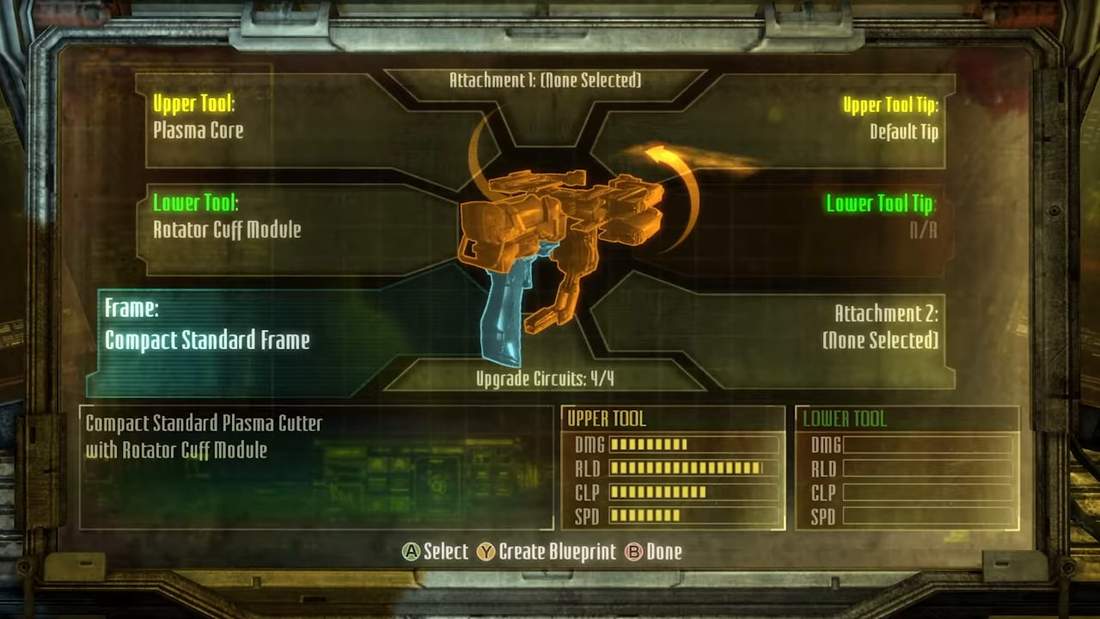
The problem was not that every individual idea was automatically worthless. It was the cumulative effect of pushing a tense survival horror game towards a different audience. I think the developers deserve credit for how much of Dead Space 3 still worked despite that identity crisis.
The well-received remake made the situation frustrating all over again. The sensible approach would be to budget around an established horror audience and treat anything beyond that as a bonus. Expecting every worthwhile franchise to become a blockbuster on somebody else’s scale is how a publisher ends up disappointed by games people actually love.
18. Dead Rising: Secretly Trying to Become The Last of Us
For a change, I can sympathise with the publisher here.
Capcom took a risk by handing Dead Rising 2 to Vancouver-based Blue Castle Games. The result was a respectable sequel that expanded the original’s ideas. The studio became Capcom Vancouver, and Microsoft later helped fund Dead Rising 3 as an Xbox One exclusive.
The trouble reportedly escalated during early work on Dead Rising 4. Accounts from people involved describe Microsoft taking a substantial role before Capcom, the actual franchise owner, had been properly brought into the process. The proposed direction was a grimmer game positioned closer to The Last of Us.
I cannot think of many franchises less suited to that particular transformation. Dead Rising’s appeal was not simply that it contained zombies. Its absurdity, improvisation, and chaotic personality mattered.
According to those accounts, the project spent about six months heading in that direction before Capcom saw it and demanded a reset. That helps explain why the finished game felt pulled apart and reassembled. Leadership departures, disappointing sales, and the eventual studio closure followed.
Wanting to make something different is understandable. Quietly turning somebody else’s franchise into that different thing is not a great development strategy.
17. MotorStorm: Catastrophically Unfortunate Timing
This one belongs in a different category. There is nothing stupid about responding sensitively to a real disaster, and nobody could reasonably have planned around what happened.
MotorStorm: Apocalypse took the arcade off-road racing series into an earthquake-stricken city. As a fictional racing environment, collapsing streets and unstable buildings made sense. Unfortunately, its planned March 2011 launch fell just after the devastating Tōhoku earthquake and tsunami.
The Japanese release was cancelled. Launch plans elsewhere were disrupted, and the marketing campaign lost its momentum. A game built around spectacular destruction suddenly had an unavoidable connection to an unfolding tragedy.
I find this especially painful because the developers had consistently delivered strong work. MotorStorm had been a meaningful part of PlayStation’s identity, and Apocalypse’s setting was not inherently a misguided creative choice.
There was another release afterwards, MotorStorm RC, including a PS Vita version. But Apocalypse’s disrupted launch dealt the series a blow it never properly recovered from. Unlike most entries here, this was not corporate idiocy so much as terrible luck with lasting consequences.
16. Splatterhouse: Agreeing to One Game, Then Making Another
Bandai Namco’s brief for a modern Splatterhouse was not especially mysterious. Bring back the recognisable horror property as a gory action game, drawing on the appeal of something like Devil May Cry or Resident Evil.
BottleRocket Entertainment looked like a reasonable choice. It had an established reputation, including work on The Mark of Kri. The problem, according to accounts of the troubled production, was that its leadership did not really want to follow the agreed direction.
Instead, the studio reportedly pursued its own designs, including creatures and ideas that drifted away from Splatterhouse. Publisher visits would produce the material Bandai Namco expected to see. Once those visits ended, the team would return to its preferred plans.
I am all for creative disagreement. Have the argument. Show the alternative. Try to reach a compromise. Pretending to follow the brief while secretly working around it just turns disagreement into wasted development.
Bandai Namco eventually removed BottleRocket from the project. Development continued through its Carlsbad operation, involving former BottleRocket staff and people associated with Afro Samurai. The reboot finally arrived, but it was not the convincing comeback the franchise needed.
A straightforward revival became a production salvage job. Splatterhouse never got another proper chance.
15. TimeSplitters: A Revival Built on Several Bad Bets
The biggest factor in the collapse of the TimeSplitters revival was Embracer’s financial mess. The group had expanded aggressively, then lost an anticipated deal worth around $2 billion, reportedly involving Saudi-backed Savvy Games Group. Restructuring followed, and the reformed Free Radical Design was closed.
That alone is enough to make this an infuriating story. But the proposed game had its own strange complications.
The initial pitch was reportedly a free-to-play shooter resembling Fortnite. Not a natural continuation of the classic TimeSplitters games, but a familiar franchise name attached to a fashionable business model.
One anonymous developer’s account suggested that this was not necessarily the intended destination. Steve Ellis reportedly hoped to secure funding through that pitch, then demonstrate that the team could efficiently build a more traditional single-player experience. Internal prototypes and campaign work were part of that effort.
I respect the desire to get an actual TimeSplitters game made. I am considerably less convinced by the plan to sell a publisher one concept and gradually substitute another.
Ultimately, the financial collapse made that argument academic. A fragile corporate expansion strategy swallowed a revival that was already trying to navigate a questionable pitch.
14. Prototype: Success Wasn’t Enough to Escape the Call of Duty Mines
The first Prototype gave Activision a successful original property. It topped Steam’s sales chart around release, earned Xbox 360 Platinum Hits status, and was reported to have sold about 2.1 million copies worldwide by March 2012.
That should have been a good foundation. Instead, Prototype 2 was built in just under two years with a smaller team, received less marketing support, and arrived with an irritating approach to downloadable content.
Extra challenges and open-world activities, including the sort of time-attack content I would normally expect to find in the game, became premium additions. It is difficult to build enthusiasm for a sequel while making the package feel smaller and then charging to fill it out.
The follow-up underperformed, and Radical Entertainment was reduced to a support role rather than continuing as the home of Prototype.
I cannot prove that Activision intended the series to fail. I can say that the combination of reduced support, a tight production schedule, and awkward monetisation did it no favours. The outcome fits an all-too-familiar pattern: an original property struggles, and another studio ends up supporting Call of Duty.
13. Duke Nukem: Chasing the Perfect Shooter for 14 Years
Duke Nukem Forever was supposed to follow Duke Nukem 3D in 1998. Instead, development stretched into roughly 14 years of restarts, technological anxiety, and changing priorities.
George Broussard wanted a shooter that would be ahead of everything else. The problem was that every attempt to catch the cutting edge pushed the game further behind it.
I find that obsession particularly strange because Duke Nukem 3D’s appeal was never dependent on remaining the most advanced-looking shooter. Quake arrived only months later and moved the technical conversation forward. That did not erase Duke’s personality or make its levels stop being fun.
Rather than building a strong sequel around those strengths, the project repeatedly changed direction. The eventual release, finished after Gearbox became involved, felt like a collection of ageing ideas: limited weapon carrying, regenerating health, muddy visuals, cramped levels, and gimmicks that no longer seemed fresh.
This is the perfect-is-the-enemy-of-the-good problem stretched to an absurd extreme. A timely sequel might have built the franchise. The impossible pursuit of the definitive FPS left it with a game that felt outdated on arrival.
Buying the rights and getting Forever released did not become the foundation of a meaningful Duke revival either.
12. Front Mission: Repeatedly Trying to Escape Its Own Strengths
Front Mission built its audience through tactical mech combat, starting on the Super Nintendo and continuing through the PlayStation 2 era. It was never the biggest franchise in the world, but it had an identity and people who cared about it.
Square Enix’s push towards Western audiences brought Front Mission Evolved, a third-person action game developed by Double Helix, also known for Silent Hill: Homecoming.
An action spin-off was not automatically a bad idea. Front Mission: Gun Hazard had already shown that the setting could work outside the main tactical format. Evolved’s problem was execution.
Then came Left Alive in 2019. On paper, a survival-stealth game in the Front Mission universe, with Metal Gear artist Yoji Shinkawa providing key artwork, sounded genuinely promising. I understand why somebody approved that concept. The actual game was a miserable fumble.
That is what makes the whole thing so unnecessary. A carefully budgeted tactical sequel could have served the existing audience. A well-executed action game might have expanded it. Instead, repeated disappointments damaged trust, and even the remakes did not deliver the polished fresh start I wanted.
11. Shenmue: An 18-Year Wait for Almost No Progress
Shenmue’s first two games did not become the commercial phenomenon Sega hoped for, but they built an extraordinarily devoted audience. When Shenmue III was announced in 2015, it seemed like a second chance that barely anyone had dared expect.
I do not think every fan demanded a complete ending. Yu Suzuki had envisioned a much longer story, often discussed in terms of at least six games. But after an 18-year gap between releases, expecting meaningful movement in Ryo’s journey was hardly unreasonable.
Instead, Shenmue III offered what felt like a long detour. There were new places, routines, training, and conversations, but precious little central plot progression. It preserved the experience of Shenmue more successfully than it justified another instalment of the story.
The apparent hope was that this game could lead to a larger publishing deal and a future sequel where more substantial developments would happen. I cannot understand gambling that hard on another opportunity when this one was already so unlikely.
A revival has to reward the people who kept it alive. Shenmue III did not need to abandon its peculiar personality. It needed to make the wait feel worthwhile and give the next chapter a stronger reason to exist.
10. Command & Conquer: Turning a Spin-Off Idea into the Grand Finale
EA was not always disastrous for Command & Conquer. Command & Conquer 3, Red Alert 3, and Generals all had worthwhile qualities, even if I would not put them above Westwood’s best work.
Then came Command & Conquer 4: Tiberian Twilight.
The project’s origins were reportedly closer to an online-focused spin-off, aimed at competitive play, than a conventional numbered sequel. Somewhere along the way, that radically different design became the finale to the Tiberium saga.
That was the fatal mismatch. A game abandoning so much of the familiar RTS structure was being asked to provide the definitive conclusion for people invested in that structure and world.
I found the result caught between audiences. It lacked what I wanted from Command & Conquer without delivering a compelling alternative. The online-only requirement added another unnecessary obstacle, and the live-action storytelling lost the entertaining camp that helped earlier games get away with their silliness.
EA then managed to make the aftermath worse. Generals 2 became a free-to-play project before being cancelled, while mobile outings did little to restore confidence in the series’ direction.
A spin-off can experiment. A grand finale should probably understand why people liked the series in the first place.
9. Blood: An Impossible Deadline for a Sequel Nobody Could Finish
Blood is one of the great old-school shooters, and for plenty of people it is the finest game built on the Build engine. Its development history, unfortunately, reads like a relay race in bad publisher relationships.
Monolith’s relationship with original publisher 3D Realms deteriorated amid complaints about inadequate payments, long absences, and demands for changes. GT Interactive eventually published the game, but that arrangement brought new problems.
The team wanted to make Shogo while also producing Blood II. Developing both was not inherently impossible, but progress became difficult. Shogo shipped only about two months before the deadline GT had imposed for the sequel.
There would be no meaningful extension. Blood II went out unfinished and represented a spectacular drop in quality from the original.
I put responsibility on both the inflexible release demand and the decision to stretch the studio across two projects. The combination left Blood with a sequel that did enormous damage to its future.
Even preservation has been awkward. Nightdive’s remaster work faced source-code access problems, requiring substantial reconstruction, and later support was reportedly constrained by limited patch funding. The original remains accessible through Blood: Fresh Supply, but keeping a classic available is not the same thing as giving its franchise a healthy future.
8. Judgment: A Successful Series Tangled in Likeness Rights
Judgment is not a confirmed dead franchise. I want to be clear about that, because the explanation for its uncertain future involves reporting and speculation rather than an official obituary.
The detective spin-off produced Judgment and Lost Judgment, while its parent Like a Dragon series continued at a remarkable pace. Given that studio’s output, the absence of another instalment naturally raises questions.
The reported sticking point involved Takuya Kimura, whose likeness and performance define protagonist Takayuki Yagami, and his talent agency, Johnny & Associates. Reports suggested that the agency’s restrictions complicated PC releases.
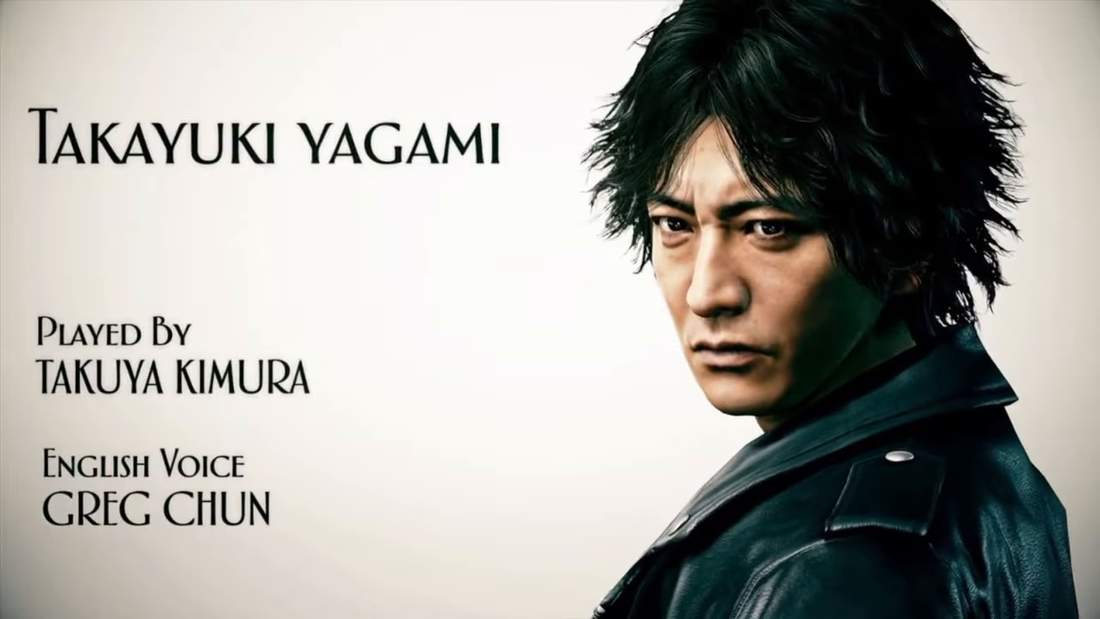
That ran directly against Sega’s growing commitment to PC as a major release platform. Both games eventually reached Steam, including the original Judgment, so the obstacle was not permanent.
Still, I can understand the concern that difficult licensing negotiations might make future entries less attractive. That is a plausible explanation, not a confirmed reason for cancellation. If the series returns with a different lead, I would not be shocked. It would be a ridiculous shame if a successful detective series lost momentum over the logistics of where its main character’s face could appear.
7. SimCity: Requiring the Internet to Build a City Alone
SimCity’s 2013 reboot is one of the clearest examples of a disastrous launch built around an avoidable requirement.
The game demanded a persistent internet connection. Servers then struggled, people were disconnected, progress became unreliable, and a city-builder turned into an exercise in trying to access the thing somebody had paid for.
Maxis initially defended the connection requirement as necessary to major systems. Subsequent offline experiments and modifications undermined the idea that the simulation fundamentally could not run without that connection.
I do not object to a city-building game offering connected regions or multiplayer features. I object to making access to a largely solitary experience depend on infrastructure that cannot reliably support it.
The backlash became so severe that some storefronts stopped selling the game temporarily, and EA offered affected customers a free game in March 2013.
The damage outlasted the immediate server crisis. Maxis’s Emeryville studio closed in 2015, although the Maxis name continued elsewhere. The main PC SimCity line never received the convincing follow-up that might have restored its position.
An offline option at launch would have avoided a huge part of this disaster. It is hard to find a more obvious self-inflicted wound.
6. Conker: An Adult Comedy Nobody Seemed to Know How to Sell
Conker began as something much closer to a conventional, child-friendly Rare platformer. The early Conker’s Quest concept looked like it belonged alongside Banjo-Kazooie, and Conker’s Pocket Tales retained that sweeter approach.
Then Rare made an audacious pivot. Bad Fur Day became a game full of drinking, sexual references, swearing, violence, and gleefully inappropriate jokes.
I respect that commitment. The marketing problem was that Nintendo wanted to preserve its family-friendly image. Rather than using all the usual promotional outlets, North American advertising leaned on adult magazines and late-night television. That made an unusual game even harder to position.
There were limits even then. Nintendo requested the removal of a particularly grim wartime surgery scene, and a Pokémon-related gag was also cut, although remnants remained in the code.
Microsoft’s acquisition of Rare in 2002 should have created a fresh opportunity. Instead, Conker: Live & Reloaded improved the graphics while censoring more of the language and changing the multiplayer in ways I found disappointing. The odd result was an Xbox version that was more restrained in important respects than the Nintendo original.
Later appearances only made the confusion worse: a Project Spark outing, then Young Conker for HoloLens in 2016.
The character survived, but the understanding of what to do with him apparently did not. A distinctive adult platformer became an IP repeatedly wheeled out for things its existing audience was not asking for.
5. Ultima: Punished for Failure and Trapped by Success
I could spend an entire article on EA, Origin, Richard Garriott, and Ultima. The short version is that the relationship repeatedly undermined the studio’s ability to make its games properly.
Demanding schedules, particularly around Christmas releases, contributed to rushed production and games arriving in incomplete or buggy states. Moving a deadline late in development did not magically undo the damage caused by planning around an unrealistic one.
Then Origin pursued Ultima Online. EA initially seemed unconvinced and provided limited support. Once the online game became a major success, the pressure reversed: concentrate resources there.
That is the maddening part. A risky new idea was difficult to support before it proved itself. After it proved itself, it became the reason to narrow the studio’s purpose.
I would not call Ultima Online itself dead. Its success is central to this story. The casualty was the broader creative pipeline around Ultima and Origin. A hit became a reason to stop doing other things rather than a foundation that made those things possible.
4. Marvel vs. Capcom: Corporate Synergy Meets a Fighting Game
Marvel vs. Capcom 3 did well enough to make another entry seem sensible. Marvel’s films were becoming enormous. Surely that meant ideal conditions for Marvel vs. Capcom: Infinite.
Unfortunately, making a fighting game that reflects the appeal of a long-running crossover is not necessarily the same thing as making a product that fits a movie-focused brand strategy.
Reported restrictions shaped the roster, presentation, and marketing. Mutants and the Fantastic Four were absent. The visual direction leaned towards a more realistic, film-adjacent style, while the soundtrack lacked the energetic personality I associated with earlier entries.
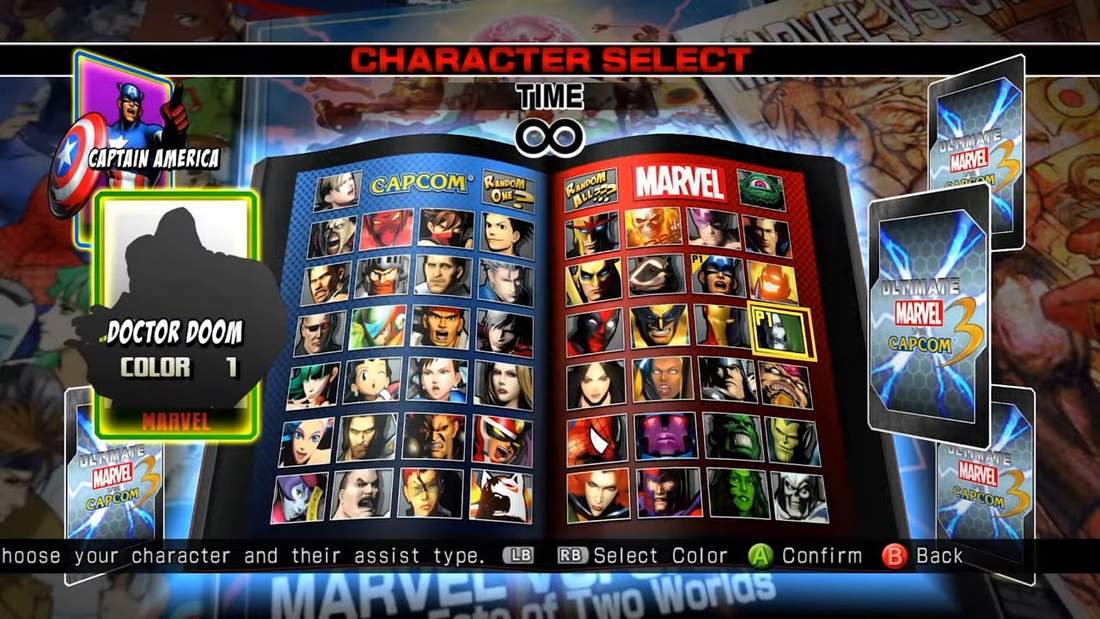
One particularly absurd reported marketing restriction concerned Marvel heroes taking hits from Capcom characters in promotional footage. Protecting a superhero brand from the sight of a superhero getting punched in a fighting game is quite a concept.
Capcom also reportedly gave Infinite a very limited budget. An insider account put it below the cost of a single season of Street Fighter V content. That comparison is not a public audited budget, but it captures how little confidence the project appeared to inspire.
I see a game squeezed between restrictive brand demands and limited investment. The result weakened precisely the colourful crossover identity that should have been its biggest selling point.
3. The Conduit: A Water Game Allegedly Cancelled Over a Leak
The Conduit found an audience on Wii partly because a motion-controlled FPS was a relatively distinctive proposition on that console. Conduit 2 sold substantially less, but that did not necessarily mean developer High Voltage’s relationship with Nintendo had to end.
The studio was reportedly developing a water-gun game for Wii U, featuring robots with a Mega Man-like flavour. The broad idea invites comparison with Splatoon, although it was a different project, not an early version of Nintendo’s eventual game.
According to a source from the studio, Nintendo was interested until information leaked. Nintendo then demanded that High Voltage identify the person responsible. The studio could not establish who it was, and the project was cancelled.
I have to qualify that as a reported account, but it is an extraordinary explanation for a promising partnership falling apart.
Would a successful water-gun project have led to The Conduit 3? That is impossible to know. It might at least have kept a valuable relationship alive. Instead, the developer lost an opportunity over an unresolved leak. For a game about water, the irony is almost offensively obvious.
2. Shadowrun: A Great Setting with No Consistent Direction
Shadowrun combines cyberpunk, fantasy, corporate power, and role-playing possibilities in a setting that should be a gift to game developers. Its history has instead been a sequence of promising starts and abrupt swerves.
The 1990s console RPGs established a strong legacy. Then Microsoft and FASA Studio’s 2007 version turned the property into a team-based multiplayer FPS. I am not saying a setting can never support a different genre, but that was a strange way to serve an audience attached to its role-playing potential.
Harebrained Schemes brought that potential back into focus with its trilogy released between 2013 and 2015. For a while, the series had a convincing direction again.
That did not turn into a steady stream of follow-ups. The studio’s later relationship with Paradox, its move into original IP, and the difficult aftermath of that work left no clear continuation. Rumours of an Obsidian Shadowrun project offered another possible future, but the reported project did not materialise.
The tabletop side has also faced criticism over rules, editing, and polish under Catalyst Game Labs. I would not declare an entire setting beyond recovery, but the contrast with Cyberpunk’s increased visibility is painful.
Shadowrun has repeatedly demonstrated that it can work. What it has lacked is consistent stewardship willing to build on that proof.
1. Dave Mirra Freestyle BMX: Replacing a Sports Identity with BMX XXX
There are misguided attempts to broaden an audience, and then there is taking a recognisable BMX series and deciding its future should be an adult-themed stunt game called BMX XXX.
That is where Acclaim went. Instead of building on Dave Mirra Freestyle BMX’s sports identity, it leaned into sexualised content and controversy. Mirra did not want his name associated with that direction, and the dispute became a legal matter.
Major retailers refused to stock BMX XXX. That is a fairly significant problem for a game whose apparent strategy depends on attracting attention and selling copies.
I can almost follow the desperate logic: generate outrage, turn the outrage into publicity, and hope the publicity becomes sales. Except publicity is not automatically demand. The game performed terribly.
Its failure is often cited as one contributor to Acclaim’s collapse in 2004, not a complete explanation for the bankruptcy. The publisher was already producing an impressive catalogue of desperate ideas.
Those included a proposed UK promotion around paying speeding fines, which authorities opposed, and a baby-naming stunt involving Turok that used paid participants rather than representing the spontaneous enthusiasm it suggested.
BMX XXX earns the top spot because the destructive decision was so completely unnecessary. A sports franchise already had an identity. Acclaim chased a controversy-driven replacement that alienated its star, limited its retail reach, and failed to find a meaningful audience.
The Most Frustrating Part Is How Avoidable Most of This Was
I do not expect every franchise to last forever. Audiences change, development is difficult, and sometimes a good game simply does not sell enough to justify another one.
What bothers me is how often these stories are about refusing to give a series a sensible chance. Release it away from bigger competitors. Budget for the audience it actually has. Do not sell one concept while secretly building another. Do not make a solo city-builder inaccessible because a server is having a bad afternoon.
None of that guarantees a hit. But it might prevent a good franchise from becoming another example of how much damage one spectacularly bad decision can do.