
An Earth-sized fantasy planet. A zombie strategy game that treats the entire United States as its battlefield. A bloke bringing modern military hardware to a medieval sword fight. Apparently, sensible ambitions are no longer enough.
What makes this batch of upcoming games exciting isn’t just scale, though. I’m equally interested in developers trying unfamiliar genres, remakes that could fix genuinely flawed classics, and sequels that finally pick up stories abandoned years ago.
There’s plenty of uncertainty here. Some games have substantial gameplay demonstrations, while others are little more than a name and a very persuasive promise. Release plans can change, and my enthusiasm is absolutely not a guarantee of quality. With that healthy bit of scepticism established, here are the 25 upcoming games I’m most excited about.
Key Takeaways
- Light No Fire, Ebbtide and Kingmakers stand out for ambitious worlds and unusual gameplay combinations.
- Remakes including Max Payne and Resident Evil Veronica could do much more than update the visuals.
- Owlcat, RGG Studio and FromSoftware are taking interesting risks with new formats and systems.
- Okami 2 and Divinity lead my list, although limited gameplay details mean much of the excitement rests on their creators.
Table of Contents
- 25. Light No Fire
- 24. Total War: WARHAMMER 40,000
- 23. The Expanse: Osiris Reborn
- 22. Metro 2039
- 21. Fable
- 20. Resident Evil Veronica
- 19. Soulframe
- 18. Tomb Raider: Legacy of Atlantis
- 17. Ebbtide
- 16. Kingmakers
- 15. Serious Sam: The Third Encounter
- 14. Stranger Than Heaven
- 13. Metroid Ravenous
- 12. Final Fantasy VII: Revelation
- 11. The Witcher 3: Songs of the Past
- 10. Clockwork Revolution
- 9. Max Payne Remake
- 8. Bradley the Badger
- 7. The Duskbloods
- 6. Alien Isolation 2
- 5. ILL
- 4. Darksiders 4
- 3. Spyro: A Realm Beyond
- 2. Divinity
- 1. Okami 2
25. Light No Fire
The easiest way to describe Light No Fire is fantasy No Man’s Sky, but that comparison only gets so far. Hello Games isn’t building another universe of separate planets. This time, the ambition is one procedurally generated planet as large as Earth.
Exploration and building appear to be central, multiplayer is part of the plan, and flying mounts look like an excellent way to appreciate just how enormous the landscape is. More importantly, the environments shown so far have distinct identities. A massive world means very little if every mountain and forest looks interchangeable.
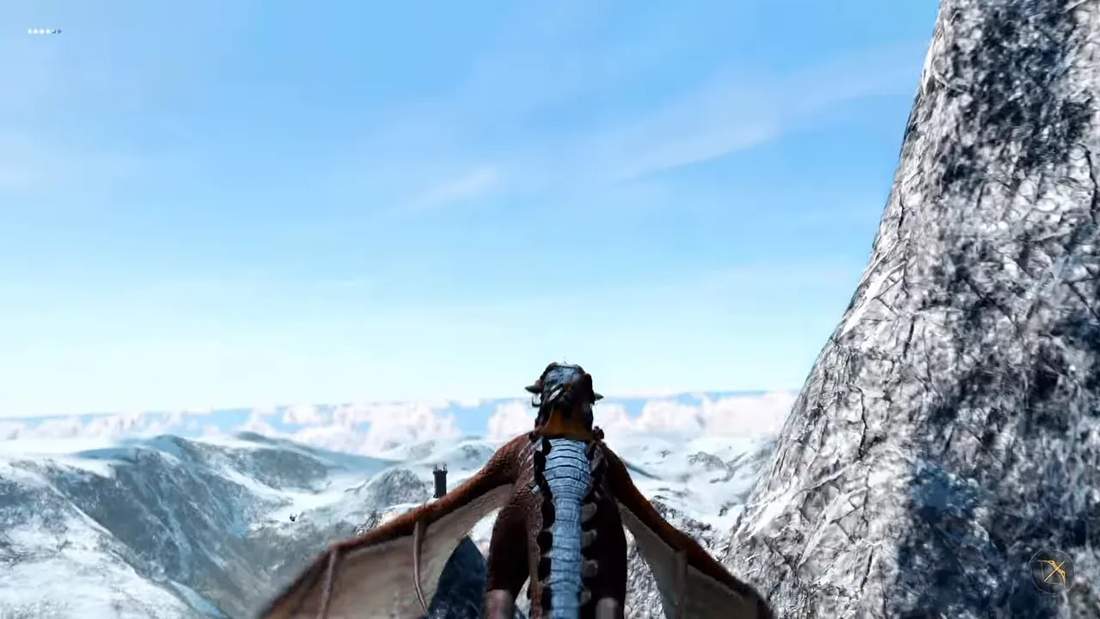
The big unanswered question is what fills the space between those impressive journeys. What does progression look like? What keeps exploration interesting over time? I’m excited, but those details matter more than a spectacular number attached to the map.
Hello Games is keeping release timing quiet. A 2027 arrival is a guess rather than an announced commitment, and I wouldn’t be surprised if it took longer. After No Man’s Sky’s launch, restraint seems like a pretty sensible approach.
24. Total War: WARHAMMER 40,000
Creative Assembly moving from Warhammer’s Old World to the 41st millennium is a much bigger leap than simply replacing swords with guns.
Total War’s traditional battles revolve around formations and relatively readable clashes between armies. Warhammer 40,000 needs something more chaotic, destructive and unpredictable. Translating that into a full-scale battle system is the interesting challenge, and the material shown so far makes me optimistic.
I’m less certain about the strategic campaign and the initial four-faction line-up. Those are important pieces of the experience, not minor details to worry about later.
Then there’s Creative Assembly itself. I love plenty of its games, but that affection usually comes with a list of frustrations. Aggressive DLC, lingering bugs or some baffling design decision could still spoil the party. I’m not predicting which annoyance turns up. I’m saying that excitement and caution can comfortably occupy the same chair.
23. The Expanse: Osiris Reborn
Exodus has the more direct connection to former Mass Effect developers, but The Expanse: Osiris Reborn is the Mass Effect-like project that really has my attention.
That’s largely because of Owlcat. Pathfinder and Warhammer 40,000: Rogue Trader established the studio’s ability to build substantial role-playing games with meaningful options. Moving from top-down CRPGs to a fully 3D, action-oriented RPG is a serious undertaking, but the underlying expertise is relevant.
For all its shooting, Mass Effect’s appeal depended heavily on characters, decisions and consequences. I want Owlcat to bring its willingness to let players make complicated, potentially dangerous choices into this larger production, rather than sanding everything down.
I’m not deeply familiar with The Expanse myself. Its mostly hard science-fiction setting sounds like a strong fit, but my main attraction is the developer tackling this kind of RPG. The anticipated window is the fourth quarter of 2027, with the usual allowance for plans changing.
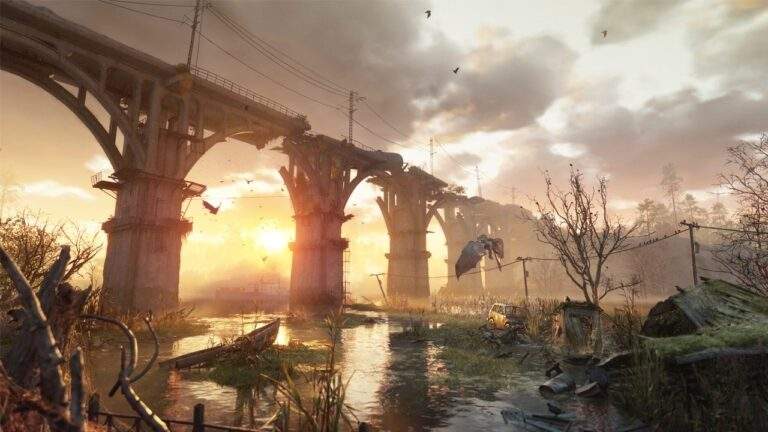
22. Metro 2039
Metro has become one of those series where I’m interested almost automatically. The original release had rough edges, but its Redux version helped make even that first entry an easy recommendation.
Metro 2039 appears to be stepping away from Exodus’s larger, open-ended areas and returning to a more linear, story-led structure. I don’t take that to mean every encounter happens in a narrow corridor. It means the priority seems to be a directed narrative rather than roaming across broad zones.
That sounds perfectly reasonable to me. Bigger isn’t always better, particularly when atmosphere and pacing are such important parts of the appeal.
The fourth entry also looks exceptionally bleak, even by Metro standards. Calling it potentially the darkest game in this series is saying something. It looks thoroughly miserable, and I mean that as a compliment.
21. Fable
February 2027 looks crowded enough that some perfectly good games could disappear into the release schedule. Fable is one I’m less worried about getting lost.
Playground Games is taking over a series born at Lionhead, and this looks like a substantial reinvention rather than an attempt to recreate every old feature. That’s probably healthy. The important thing is preserving the sense that your character’s behaviour matters.
Instead of a universal good-or-evil score and the associated physical transformations, the new approach centres on reputation. Choices still shape how the world responds, but morality isn’t treated as quite so absolute. Property ownership and marriage remain part of the fantasy, too, so the opportunity to become a questionable local landlord survives.
One of the most appealing details is the roughly 20-hour story length. There should be room to spend much longer with the wider game, but a big-budget open-world RPG that doesn’t demand an enormous commitment just to finish its main plot sounds refreshing.
20. Resident Evil Veronica
A Code: Veronica remake makes a lot of sense. The 2000 original is important to Resident Evil’s wider story, including Albert Wesker’s return, but importance and consistent quality aren’t the same thing.
Its fully 3D environments were an interesting step at the time. Today, I find much of the presentation drab, and the overall experience has stretches that could badly use a rethink. This is exactly the sort of game where a remake can do more than improve textures.
My biggest hopes involve pacing, storytelling and characterisation. Steve needs work, and the villain needs to feel more threatening. Some of the original’s sillier material will need careful handling if the remake is going to land.
Capcom’s recent Resident Evil record gives me confidence. I don’t put the Resident Evil 3 remake alongside its very best work, although I think it gets more criticism than it deserves. With Veronica, there’s a real opportunity to turn an uneven but pivotal entry into something excellent.
19. Soulframe
Soulframe is still changing enough that I’m reluctant to pretend I have its final identity pinned down.
Digital Extremes has already revised major gameplay systems during development, and the pre-alpha tests make clear that this remains a work in progress. Further testing should make it easier to understand what the complete experience is becoming.
Even with those uncertainties, bringing some of Warframe’s distinctive sensibilities into a slower, Soulslike-style fantasy game is a compelling idea. The more recent footage suggests that the pieces are beginning to fit together.
I expect repetition and grinding to be part of it. That isn’t automatically a problem. The question is whether the loop feels rewarding and supports progression rather than becoming an obstacle designed to wear me down. Playable tests and a finished release are also very different milestones, so I’m not assuming the latter is close.
18. Tomb Raider: Legacy of Atlantis
Another remake of the first Tomb Raider? Honestly, I’m fine with that.
Flying Wild Hog and Crystal Dynamics appear to be drawing from several eras of the series. I can see the influence of the original games, the Legend period and the Survivor trilogy, with exploration and puzzle-solving getting welcome attention.
That mixture could be exactly what a new direction for Tomb Raider needs. I want Lara exploring places that feel worth investigating, not simply moving between action sequences.
A few additions leave me unconvinced. Cooking food, for instance, doesn’t immediately strike me as something Tomb Raider was desperately missing. Maybe its purpose will become clearer in the finished game. For now, the classic adventure elements are what have me interested, and I hope the extra systems support them rather than get in the way.
17. Ebbtide
Ebbtide takes zombie survival strategy to a scale that is genuinely difficult to get my head around. Instead of isolated RTS maps, the proposed playground is the entire United States.
You command forces on a strategic map, zoom into individual battles, issue orders and even directly control units. Air strikes, naval guns and cruise missiles are part of the arsenal. It’s a lot.
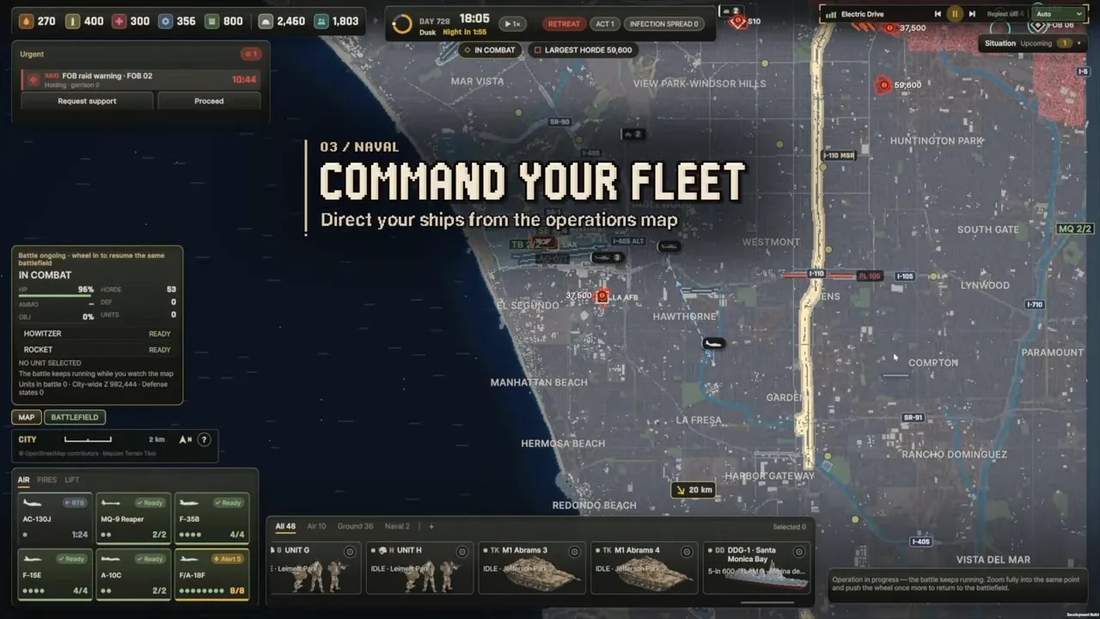
The exciting part is the connection between those scales. A national campaign is one kind of challenge; directing troops through a specific outbreak is another. Letting the player move between them could produce something unusually satisfying.
It could also become overwhelming. There are enough competing systems here that balance and usability will matter enormously. I can imagine a brilliant strategic puzzle or an exhausting collection of emergencies.
Either way, it looks meaningfully different from the usual RTS pitch. I don’t know when it will arrive, but I absolutely want to find out whether this absurd ambition works.
16. Kingmakers
Kingmakers sounds like somebody combined Army of Darkness with Mount & Blade, removed the supernatural elements, then decided a shotgun wasn’t nearly enough of an advantage.
The modern intruder gets access to hardware including a tank and an attack helicopter. Where does it all come from? At a certain point, I’m happy to stop asking and appreciate the ridiculousness.
There’s still no firm release date in this outlook, although a playtest is a meaningful step towards proving that the concept exists beyond spectacular demonstrations. Each new showing seems to introduce another outrageous feature.
That is also the risk. Expectations are now incredibly high, and I’m sceptical that every advertised element will come together as smoothly as the trailers suggest.
Could it be a disaster? Sure. But even a less ambitious version of this concept could be a glorious mess. I don’t need perfection to enjoy modern vehicles causing absolute confusion on a medieval battlefield.
15. Serious Sam: The Third Encounter
Sometimes a title does most of the work. The Third Encounter immediately tells long-time Serious Sam fans why this matters.
Croteam is finally pursuing a proper follow-up to The Second Encounter after the series wandered through prequels and other diversions. The prospect of settling matters with Mental, the alien conqueror looming over these games for years, is enough to get me interested even without much demonstrated gameplay.
I’m not asking for an elaborate reinvention. Serious Sam’s appeal is wonderfully straightforward: enormous spaces, enormous crowds of monsters and enough ammunition to make a dent.
Yes, that often means firing while retreating. That simplicity is part of the charm, not a flaw that needs a skill tree stapled onto it. Give me satisfying guns, ridiculous enemy numbers and a few stupid secrets. There’s no need to complicate a formula that already knows exactly what it is.
14. Stranger Than Heaven
RGG Studio stepping away from Like a Dragon to make something stranger is immediately interesting. Stranger Than Heaven looks like one of its biggest experiments yet.
The story spans 50 years and five Japanese cities, with the music industry helping give it an identity of its own. I don’t have a firm handle on the plot, but the setting alone gives the studio plenty to work with.
Combat is getting a substantial overhaul. Shoulder buttons and triggers control attacks associated with different sides of the body, and even individual opponents appear dangerous. This doesn’t look like the familiar fantasy of being an almost unstoppable street-fighting machine.
The presentation is flashier, too, with the project built entirely for the newer console generation. The anticipated release is 15 January 2027.
I enjoy RGG’s games even when they’re uneven. A more vulnerable protagonist, a different combat model and a decades-spanning story could make this one especially personal and intriguing.
13. Metroid Ravenous
MercurySteam earned a lot of goodwill with Metroid Dread in 2021. Metroid Ravenous looks like a follow-up that takes Samus’s already considerable confidence and turns it up another notch.
The action shown so far has a much more flamboyant edge. Dread already gave Samus moments of swagger that wouldn’t look out of place in a PlatinumGames production. This seems happy to push that energy further.
My main wish is for a little more freedom in exploration. Dread could feel tightly directed, and I’d appreciate easier backtracking and more room to investigate the world at my own pace.
The apparent absence of Dread’s divisive E.M.M.I. sections will also appeal to some people. I don’t need every detail to change, though. A familiar foundation with sharper action is a pretty persuasive proposition. The expected January arrival makes it one of the nearer prospects in this line-up.
12. Final Fantasy VII: Revelation
When Final Fantasy VII Remake arrived, reaching the end of an entire remake trilogy still felt like a distant possibility. Revelation is positioned to bring that story to its conclusion, with 8 April 2027 given as the expected release date.
The additions sound suitably enormous: an airship, gigantic Weapon bosses and whatever the developers have been building towards with Zack and Aerith.
I’m interested in the spectacle, but the conclusion is the real draw. There are enough unanswered questions that even familiarity with the original game doesn’t remove the curiosity.
The commitment to side content and minigames continues, too. Personally, I like having that variety, even if Rebirth’s individual diversions weren’t equally successful. Optional is the important word. Give me plenty to do, but let me decide how much of it I want.
This looks like an evolution of Rebirth rather than a completely different game. Since I thought Rebirth was great, that’s hardly a problem.
11. The Witcher 3: Songs of the Past
More Witcher 3 is already a strong pitch. A substantial new expansion for a game this old is the surprising part.
Songs of the Past is described as being in roughly the same length bracket as Blood and Wine, with a new region characterised by rural abundance and superstition. That combination sounds like a promising setting for a Witcher story: somewhere superficially pleasant with plenty lurking underneath.
Geralt’s friendship with Dandelion is expected to be central, including an opportunity to meet Dandelion’s family. I like that focus. Familiar relationships can give a new investigation more weight than simply introducing a bigger monster.
The apparent emphasis on monster investigation is another positive. That’s where The Witcher 3 is often at its strongest.
A 2027 expansion would also help build anticipation for The Witcher 4. That may be part of the strategy, but I’m not going to complain if the result is another substantial adventure for Geralt.
10. Clockwork Revolution
Clockwork Revolution’s first-person combat looks potentially entertaining, but that isn’t the main reason it has my attention.
The hook is changing the past and seeing the consequences in the present. Decisions can apparently transform the city itself, taking it from a polished urban environment towards something much grimmer, including a near-apocalyptic police state.
That’s the kind of ambition I want from an RPG developer moving into a flashier format. The production values may make the initial impression, but the possibility of a genuinely reactive, branching narrative is what could make the game memorable.
There are still open questions about how the whole structure works. Time travel is easy to pitch and much harder to make coherent. If those choices have the breadth and immediate impact being suggested, though, this could be far more interesting than a shooter with an attractive setting.
9. Max Payne Remake
Max Payne and Max Payne 2 are among my favourite shooters, but combining them into one remake package raises some fascinating questions.
The first is a harsh, pulpy revenge story with that unmistakable Remedy oddness. The second is a twistier noir tale that sometimes feels like it is deliberately undermining the assumptions of its predecessor. It also has smoother, more responsive and generally more forgiving shooting.
Even Max’s face changes between them. The original uses Sam Lake’s famously strained expression; the sequel takes a different approach.
So how much gets unified? Does the first game inherit moves from the second? Do both use one character design? Do the comic-book story sequences survive, or does the remake lean towards fully animated scenes?
I don’t have those answers. What I do know is that Remedy is returning to Max Payne, and that is enough to get me through the door. Whether the result is closely faithful or substantially reworked, I’m playing it.
8. Bradley the Badger
Bradley the Badger has one of my favourite concepts here: a platformer set inside broken, unfinished worlds that parody familiar game franchises.
The clever part is that the unfinished state isn’t merely a joke. Debug-style tools let you manipulate the environment, potentially giving you much more freedom than a conventional platform action game.
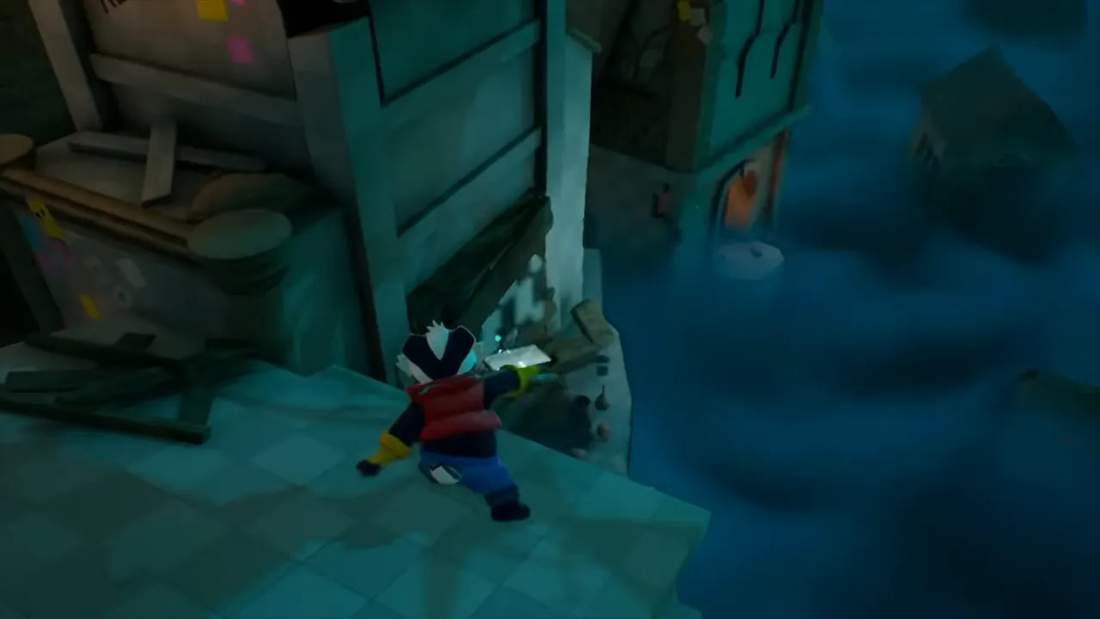
The platforming looks enjoyable, the parody feels genuinely playful, and the abilities appear complex enough to support more than a string of references.
Developers with experience on the Mario + Rabbids games are involved, which is encouraging. Those games were far better than the phrase “Rabbids crossover” had any right to suggest.
After its reveal at The Game Awards 2025, Bradley quickly became a game I wanted to know more about. I’m hoping that same inventive, slightly unhinged energy carries through the whole adventure.
7. The Duskbloods
My first reaction to The Duskbloods being a multiplayer-focused, battle-royale-style project was disappointment. I’m not going to pretend otherwise.
Once that initial reaction passed, though, the more interesting question became what FromSoftware could do with the format. The studio has an opportunity to make something genuinely unusual rather than simply delivering the next familiar Souls experience.
The move to 2027 to address playtest feedback is encouraging in that context. The feedback I encountered was largely positive, so taking additional time to respond to criticism seems sensible rather than automatically alarming.
There’s no guarantee the experiment works. Multiplayer design brings its own demands, and admiration for the developer doesn’t settle those questions.
Still, I respect the willingness to try. Another conventional Souls game would be a much easier proposition to sell me. That makes this stranger choice worth considering on its own terms.
6. Alien Isolation 2
Alien: Isolation was terrifying inside a space station. Moving the sequel to a planet adds an unpleasant new possibility: the alien could be somewhere out in the wilderness, rather than somewhere inside a reasonably understandable network of corridors and vents.
I say “reasonably understandable” because knowing the layout never made the original particularly comforting.
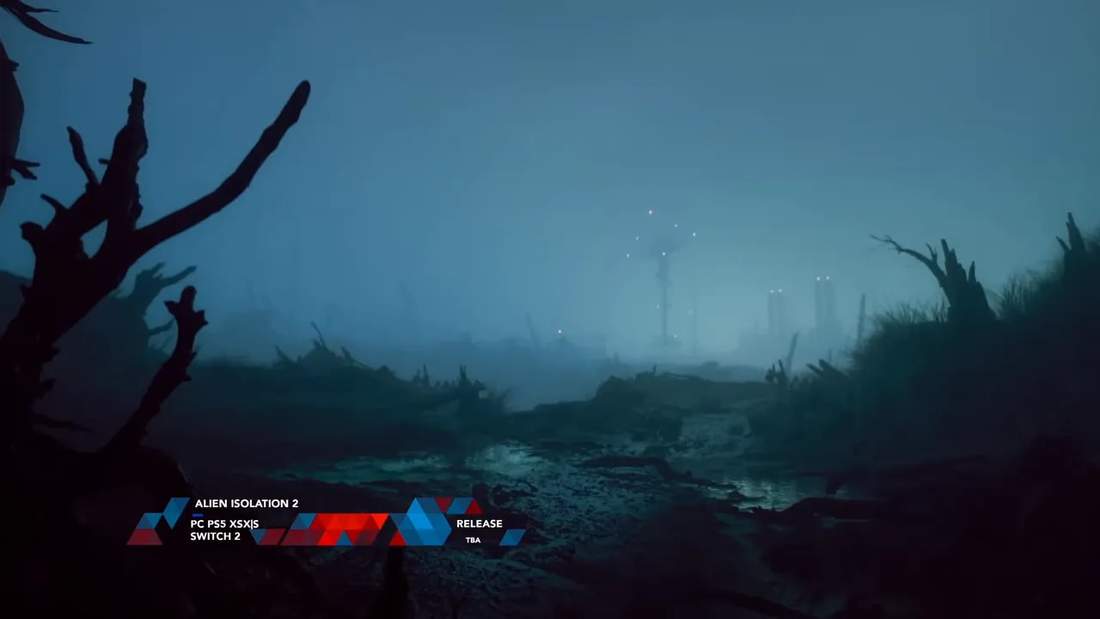
The new environment appears to include both open areas and colony facilities. That should leave room for unfamiliar outdoor tension alongside enclosed spaces closer to the first game’s strengths.
The protagonist remains uncertain. A prologue shown to the press featured a character called Blake, but that doesn’t necessarily establish who carries the full story, or rule out a switch after the opening.
I expect scavenging, improvised tools and desperate attempts to avoid or deter whatever is hunting me. Those are expectations, not a complete feature list. Mostly, I expect Creative Assembly to make me deeply uncomfortable again.
5. ILL
ILL looks disgusting. That is very much the attraction.
The first-person survival-horror setup invites Resident Evil comparisons, but the grotesque monster designs are what distinguish it. Bodies twist into things that barely seem governed by a consistent set of rules, and the footage keeps finding new ways to be revolting.
Combat looks intense and dangerous. What I’m really hoping for, though, is a sustained ability to surprise me with creatures and situations I couldn’t have predicted.
There is a practical question underneath all that enthusiasm: how does this succession of outrageous moments become a coherent game? Spectacular horror imagery can sell an idea without proving that the pacing, progression and encounters work together.
I don’t have that answer yet. But if the intention is to deliver a parade of deeply unpleasant surprises, ILL certainly looks committed to the job.
4. Darksiders 4
The first Darksiders ended with a tremendous promise: War and the other Horsemen were finally heading towards a confrontation together.
Then came sequels and a side game that kept moving backwards in the timeline. Interesting adventures, sure, but not the follow-up that ending made me want.
Darksiders 4 seemingly offers the long-awaited continuation, with all four Horsemen playable and co-op part of the proposition. There isn’t much else to assess yet, which makes this an entry driven heavily by anticipation.
My preference would be a return towards the first two games’ mixture of action and well-designed dungeons, rather than repeating the third game’s more Soulslike direction.
I’m excited, but I’m also prepared for the difficulty of living up to roughly 16 years of expectation. A cliffhanger can become a much larger thing in your imagination than any actual sequel can reasonably satisfy.
3. Spyro: A Realm Beyond
Toys for Bob did excellent work bringing the original Spyro trilogy back. A new adventure with the purple dragon is an easy thing for me to get excited about.
The intriguing change in Spyro: A Realm Beyond is the ability to fly whenever you want. It’s also the detail that gives me pause.
Unrestricted flight could open up exploration in wonderful ways. It could also change the relationship between movement, obstacles and level design so much that the familiar appeal gets diluted.
Part of what made Crash Bandicoot 4 work was its willingness to build on the original formula without replacing the entire thing. I’d like Spyro’s evolution to show a similarly clear understanding of what should stay.
That isn’t a verdict against free flight. It might be brilliant. Toys for Bob has earned enough trust with these revivals that I’m inclined to give the idea a chance.
2. Divinity
There’s very little concrete gameplay to discuss with Divinity. The excitement comes from Larian returning to its own territory after Baldur’s Gate 3.
Divinity: Original Sin 2 already contained much of the design foundation that made Baldur’s Gate 3 special. These are RPGs that reward creative problem-solving, react to unusual decisions and allow behaviour that would derail a more rigid game.
Then Larian adds multiplayer to those systems, which sounds like a development nightmare every time the studio discusses how everything fits together. I appreciate the suffering when it produces that much freedom.
The new Divinity has only been represented by a CGI reveal so far, so I’m not treating particular mechanics as confirmed. My enthusiasm is based on the developer’s ability to make dense, open-ended RPGs at an unusually high level of presentation.
I want to see what Larian does when it takes that experience back into its own world.
1. Okami 2
Okami getting a full sequel still feels slightly unreal.
The biggest reason for my excitement is Hideki Kamiya returning to the series. This isn’t simply a familiar title being handed to an unrelated creative team. The original creator is involved again, which makes the prospect much more compelling.
Okami wasn’t an instant commercial phenomenon. It became a cult favourite, and its beauty and creativity made a lasting impression on the people who connected with it. There was an earlier handheld follow-up, but this feels like the substantial return I never really expected.
I also don’t think the original was flawless. It could be slow, occasionally dull, and some of its attempts to follow The Legend of Zelda’s example didn’t quite work. Loving a game doesn’t require pretending every part of it was perfect.
That’s why a sequel is so exciting. There’s room to improve the pacing and structure while building on an extraordinary artistic identity. Maybe it moves towards a more open design. Maybe it does something completely different. There isn’t enough information to know, and I’d rather leave those possibilities open than invent a feature list.
Okami has enormous potential beyond what the first game managed to realise. More than anything else on this list, I want to see where that potential goes. The fact that I’m even getting the chance is still a ridiculous, wonderful surprise.