Spend enough time reading gaming news and it can feel like the sky is falling. Studio problems, exhausting monetisation, projects that take forever to arrive. I get it. There is plenty to be frustrated about.
But I also think it is worth taking a breath and celebrating the good stuff. Handhelds are everywhere again. Classic RPGs have found a huge audience. Developers are remembering that a game does not need an enormous map or a battle pass to justify its existence.
Not all of these trends disappeared completely, and not every comeback is a finished success story. Some are small improvements. Others are beloved ideas finally getting the attention they deserve. Either way, these are 20 gaming trends I am genuinely happy to have back.
Key Takeaways
- Handhelds, couch co-op and turn-based games are offering more ways to fit gaming into everyday life.
- Linear adventures, substantial expansions and New Game Plus remain valuable alternatives to endless open-world activities.
- Classic franchises can make meaningful comebacks when publishers balance care for their history with new ideas.
- Indie games, original IP and modding communities are keeping creativity central to gaming.
Table of Contents
- 20. Handheld Gaming Has Something for Everybody
- 19. Capcom Is Being Awesome Again
- 18. Classic CRPGs Have Found Their Audience Again
- 17. Smaller and Mid-Sized Games Are Making an Impact
- 16. Couch Co-op Is Still Fighting the Good Fight
- 15. People Are Talking About Physical Games Again
- 14. Not Every Game Needs to Be Open World
- 13. Proper Expansion Packs Feel Worth Celebrating
- 12. Destruction Is Making Games Feel Physical Again
- 11. World of Warcraft Is Calling People Back
- 10. New Game Plus Is Being Treated Like a Real Feature
- 9. Multiplayer Does Not Always Need a Battle Pass
- 8. Remakes and Remasters Are Getting More Care
- 7. Castlevania and Silent Hill Feel Like Active Franchises Again
- 6. Instrument-Based Rhythm Games Have Life Left in Them
- 5. Indies and Original IP Are Still Breaking Through
- 4. Call of Duty Campaigns Still Deserve Some Love
- 3. Turn-Based Games Are Thriving Across Different Genres
- 2. Star Wars Games Have Variety Again
- 1. Modding Is Reaching More People
- The Best Comebacks Give Me More Choice
20. Handheld Gaming Has Something for Everybody
There was a time when it felt like every kid had a Game Boy tucked away somewhere. Depending on the era, that might have been a Game Boy Color or a Game Boy Advance, but portable gaming was just part of the deal.
After a quieter stretch, the choice available now is ridiculous in the best possible way. Nintendo Switch 2 sits alongside the Steam Deck, ASUS ROG Ally and Lenovo Legion handhelds. Portable PC gaming has become an entire category rather than an odd little experiment.
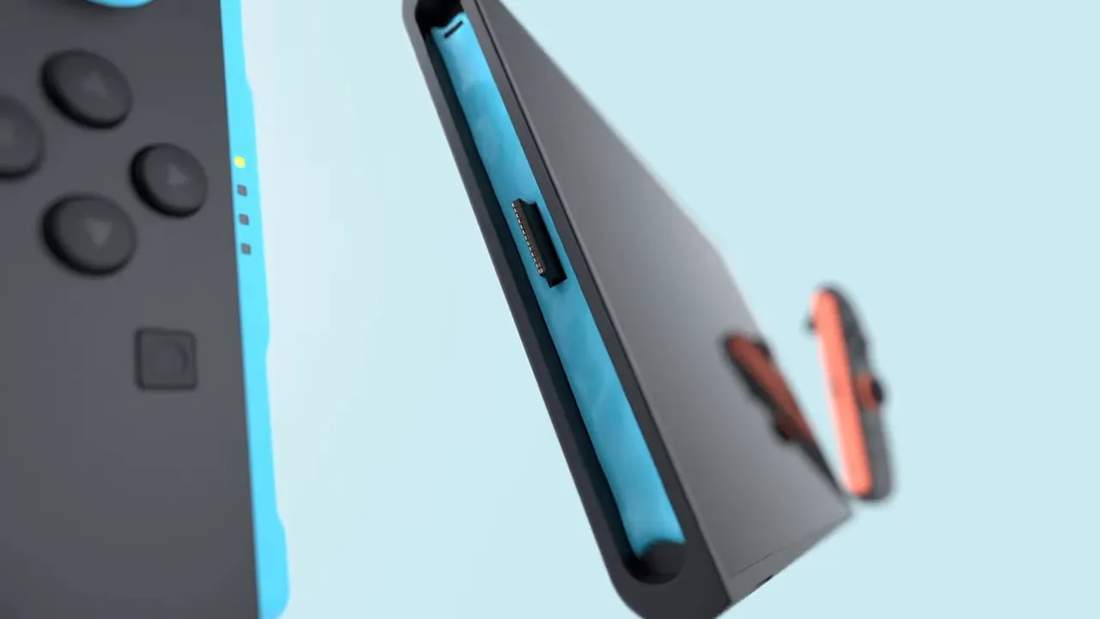
Then there is the more specialised stuff: ModRetro, Playdate, Analogue and all the different retro-focused or emulation-oriented devices. A smartphone can also handle some excellent games, with foldable screens adding another option.
What I love is the variety. A modern PC library, old cartridges, a strange little game built around a crank: portable gaming no longer means one particular kind of experience. There is probably something that suits both your taste and your backpack.
19. Capcom Is Being Awesome Again
Capcom has had its rough patches, but its run around Resident Evil 2’s remake and Devil May Cry 5 helped establish a much more exciting direction. Since then, it has felt like a company that understands why people care about its games.
Monster Hunter has grown into something enormous. Resident Evil has kept delivering, and Street Fighter remains an important part of the picture. Those are the obvious big franchise wins.
What makes me happier is that Capcom has also made room for original ideas. Kunitsu-Gami: Path of the Goddess, from 2024, and Pragmata show a willingness to do something beyond another familiar sequel. And the return of Onimusha? I honestly did not see that coming.
Good sequels and creative new games should not be mutually exclusive. Capcom’s willingness to pursue both is exactly what I want from a publisher with that kind of history.
18. Classic CRPGs Have Found Their Audience Again
For a while, the classic computer RPG felt like something I mostly talked about in the past tense. Fallout, Planescape: Torment and a handful of other favourites carried a lot of that conversation.
Now, opening Steam’s RPG categories can feel like discovering another bottomless backlog. Baldur’s Gate 3 is the obvious giant here. Its success showed just how exciting a deeply involved, classic-style RPG could be to a huge audience.
But the appeal goes beyond one massive hit. Pathfinder and Pillars of Eternity II offer substantial adventures. Disco Elysium represents the more narrative-driven side. Solasta II, Warhammer 40,000: Dark Heresy, a new Divinity project from Larian and the Gothic remake add to the sense that there is room for different interpretations of old-school role-playing.
Some of those games sit outside a strict definition of CRPG, but that wider variety is part of the point. If I want demanding systems, unusual worlds or a story that asks me to really engage with it, I have options again.
17. Smaller and Mid-Sized Games Are Making an Impact
I know the argument about whether AA development is truly recovering is complicated. A few good games do not magically fix the economics of running a mid-sized studio.
Still, it is hard not to be encouraged by projects that sit somewhere between tiny indie productions and the enormous blockbuster machine. Games such as Hellraiser: Revival and projects associated with Saber Interactive help keep that space interesting.
The Blood of Dawnwalker has the appeal of a creative RPG with Witcher-style ambitions on a more contained scale. Clair Obscur: Expedition 33 is another important example, breaking through with a comparatively small core team rather than a gigantic production structure.
I am not arguing that every game should be small. I just like being reminded that a compelling game does not automatically need a decade of development and an army of people. Focus and personality can still matter more than sheer scale.
16. Couch Co-op Is Still Fighting the Good Fight
There are still too many games where the absence of couch co-op feels glaring. Online multiplayer is great, but it does not replace having somebody beside you, sharing the same screen and reacting to the same ridiculous mistake.
Thankfully, some developers still build entire experiences around that feeling. Hazelight has made a real home for it with It Takes Two and Split Fiction. Smaller co-op games, including A Game About Getting Over It-style challenges such as An Extremely Hard Game, keep exploring the potential for shared frustration and teamwork.
Orbitals brings another creative split-screen adventure into the mix on Nintendo Switch 2. That kind of support matters because local co-op is more than an extra checkbox in a feature list.
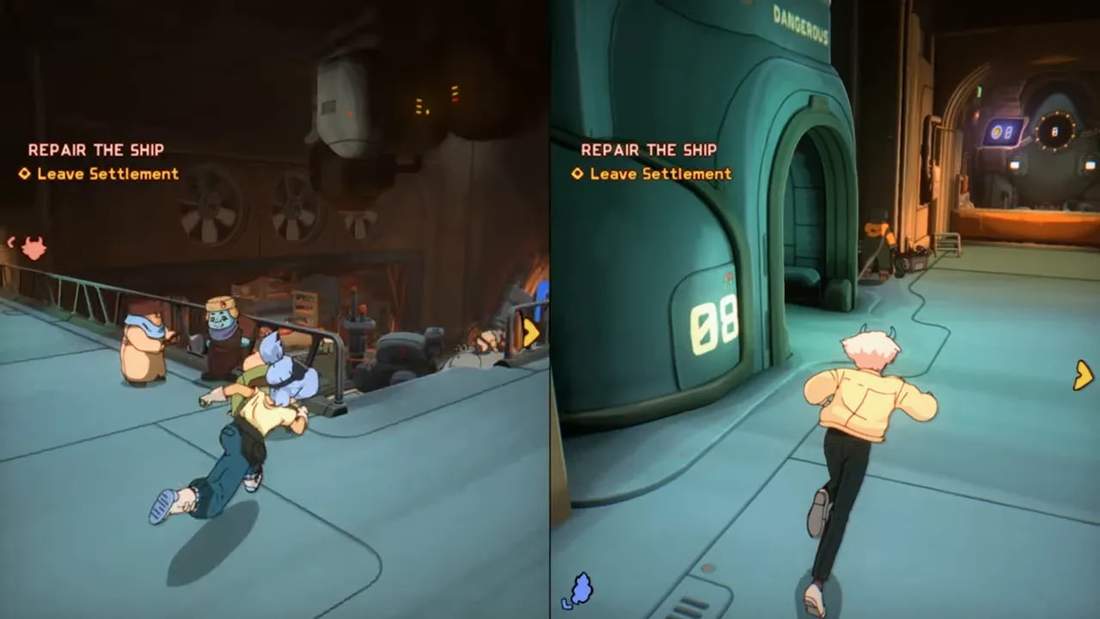
I would absolutely like more of it. But I am glad there are still games designed around the very simple pleasure of playing together in the same room.
15. People Are Talking About Physical Games Again
This one is more of a bright spot inside a frustrating situation. The move away from discs, including the announced direction towards ending physical releases on PlayStation, has reignited a conversation that should never become irrelevant: what does owning a game actually mean?
There is the practical side of ownership, but there is also collecting. A shelf of games means something to people. So does being able to hold a favourite release rather than seeing it as another tile in a digital library.
I have no problem with somebody preferring digital purchases. Convenience is a perfectly understandable reason to use them. What I appreciate is that people still care enough about physical games to push back when that choice feels threatened.
Smaller publishers and studios continuing to produce interesting physical editions are part of that picture. Renewed appreciation is not a solution by itself, but it is better than quietly accepting that physical games no longer matter.
14. Not Every Game Needs to Be Open World
I love a good open-world game. What wore me down was the assumption that almost everything needed to become one.
After Grand Theft Auto’s enormous influence, a huge map started to feel like a default ambition, even when it did not suit the game. More space did not always mean more interesting things to do.
Mafia: The Old Country is a useful example of a different priority. The series has always had an interesting relationship with open-world design, often caring more about its story than filling a city with distractions. The Old Country leans into that focus, using its setting to support the narrative rather than burying it beneath endless activities.
Marvel’s Wolverine and Phantom Blade Zero also represent the appeal of more directed experiences. Meanwhile, something like Control Resonant can pursue a more open structure.
I want developers to choose the structure that fits the game, not the one that makes the map look biggest in a marketing image.
13. Proper Expansion Packs Feel Worth Celebrating
There is a difference between a substantial expansion and a handful of extras sold in little pieces. I miss the feeling of buying an expansion pack and getting something big enough to properly settle into.
Cyberpunk 2077: Phantom Liberty is the kind of release that makes the distinction clear. It feels like another substantial helping of a game, not a few scraps added around the edges.
The renewed attention around Warcraft III expansions and The Witcher 3’s planned Songs of the Past expansion for 2027 points towards the same appetite. People still want meaningful reasons to return to worlds they care about.
There is also something especially appealing about support for older games. Returning to a beloved RPG roughly a decade later with a full expansion is a much more exciting proposition to me than simply finding another small item pack in its shop.
Not every genre needs this model, but a proper expansion can offer both value and a satisfying new adventure.
12. Destruction Is Making Games Feel Physical Again
Red Faction, and especially Red Faction: Guerrilla, set expectations that games have not always continued to chase. For a while, it felt strange that I could do less damage to some newer environments than I could in much older ones.
That is why I appreciate games putting destruction back on the agenda. Battlefield 6 offers large-scale damage, even if it does not precisely recreate every aspect of the older games. The Finals has made destruction central to its identity and has continued improving it.
There are also destructible elements in less obvious places, including Star Wars Zero Company and Onimusha. Crimson Desert adds another kind of appeal, with its world showing damage as combat spills through the environment.
I know this stuff is technically difficult. But when a wall breaks, a structure collapses or a weapon visibly tears through something, my actions feel connected to the world. That tactile feedback adds a lot to an otherwise familiar fight.
11. World of Warcraft Is Calling People Back
For plenty of people, World of Warcraft never went anywhere. I am not pretending it vanished.
What feels encouraging is seeing it become part of the wider cultural conversation again, with World of Warcraft Forever presented as another reason to return. There is a particular pull to the promise of recovering some classic WoW flavour. For a game that shaped so many people’s gaming lives, that is powerful stuff.
I am cautious about declaring the whole effort a success too early. Nostalgia can get somebody interested, but it takes more than that to keep them invested.
Still, I like seeing Blizzard put work into the qualities that made Warcraft matter in the first place. The prospect of StarCraft returning in some form, even with a distant timeframe around 2030, adds to that feeling. There is something nice about these names feeling active and relevant again.
10. New Game Plus Is Being Treated Like a Real Feature
New Game Plus is not for everybody, but for the people who love it, it can be a huge part of a game’s value.
After finishing an adventure, sometimes I want to start again with the experience and progress I have already earned. It is a different kind of enjoyment from that first run, and it gives a finished game another life.
For a stretch, particularly around the PlayStation 3 and Xbox 360 era and beyond, the feature felt inconsistent. More recently, it also became something that might arrive weeks or months after launch.
Seeing more games include it from the start is a welcome improvement. A post-launch addition is better than nothing, but I would rather have the option when I actually finish the game and feel like going again.
It is not a revolutionary idea. That is exactly why it feels so good when developers simply remember to include it.
9. Multiplayer Does Not Always Need a Battle Pass
The live-service gold rush made it feel like every multiplayer game needed currencies, microtransactions and an elaborate battle pass, whether those systems suited the experience or not.
Sometimes they were awkward. Sometimes they felt poorly thought out. Sometimes the whole thing seemed tuned around getting more out of the player rather than giving the player a better game.
I am not declaring the battle pass dead. It is still everywhere, and publishers are still chasing that model. But I do appreciate the occasional move back towards straightforward multiplayer progression.
Gears of War: E-Day stands out here as an example of a major multiplayer release without a battle pass. It still has a currency, so this is not some completely untouched vision of the past. But a familiar progression system without another pass to work through is still worth acknowledging.
I will take the small wins. Sometimes I just want to play a multiplayer game without another layer of business attached.
8. Remakes and Remasters Are Getting More Care
I understand being tired of remakes and remasters. New ideas matter, and nobody wants a release schedule made entirely of things they already played.
But if publishers are going to revisit older games, I want them to do it properly. The Silent Hill HD Collection remains a painful reminder of how badly that can go.
Resident Evil 4’s remake shows the more encouraging side of the trend. Other examples include the Black Flag remake, The Witcher 3’s visual update, modern-console attention for Ghost Recon Wildlands and a remastered version of The Wolf Among Us. The prospect of a full visual remake of Ocarina of Time adds another beloved game to that conversation.
Not every rerelease gets everything right. My point is that more of these projects feel like someone has made a serious effort, rather than simply repackaging a famous title and assuming affection will do the rest.
If I am going to return to an old favourite, that care makes a difference.
7. Castlevania and Silent Hill Feel Like Active Franchises Again
There was a long stretch when Konami’s relationship with its own game history felt deeply frustrating. It had these incredible properties, yet at times seemed almost uninterested in being part of the games business.
That is why renewed attention for Castlevania and Silent Hill feels significant. I want these names to mean new games, not just memories of how good things used to be.
Silent Hill’s range is especially interesting. The Silent Hill 2 remake revisits a defining entry, while Silent Hill f takes a weirder, more creative approach to the series. Townfall points towards another shift through first-person horror.
Those projects do not all need to achieve the same thing, and their success can vary. What matters to me is that Konami is treating the franchises as something worth developing again.
A comeback is more exciting when it leaves room for experimentation, rather than simply repeating the safest possible version of the past.
6. Instrument-Based Rhythm Games Have Life Left in Them
Guitar Hero and Rock Band were enormous, then the wider craze moved on. But the dedicated audience did not simply stop caring.
Fan projects such as Clone Hero are evidence of that lasting enthusiasm. People still want to master songs, dig out their instrument controllers and share that particular kind of musical chaos with friends.
Stage Tour is an especially interesting attempt to bring that experience forward. The pitch is familiar in a good way: popular songs, instrument-based play and a chance to get a group together again.
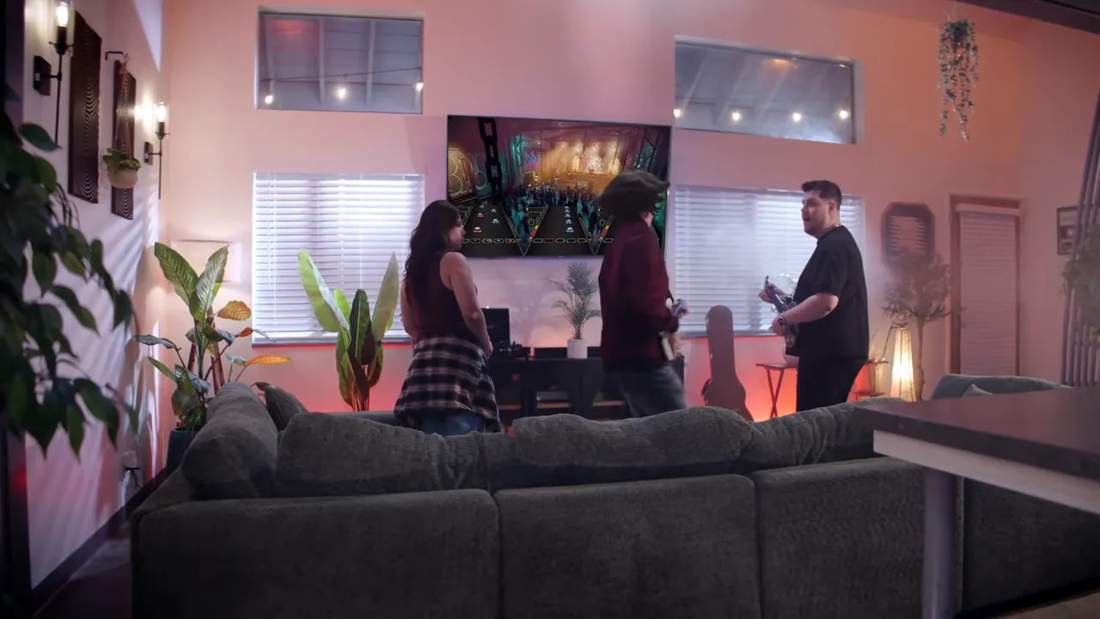
I do not know how successful it will be. A project like this is ambitious, and enthusiasm alone does not guarantee a huge comeback.
But I hope it works. These games may have been treated as a passing trend, yet there is clearly a committed audience that never stopped wanting them. I would love to see that audience get more than nostalgia.
5. Indies and Original IP Are Still Breaking Through
It is easy to look at a release calendar full of sequels and conclude that original games cannot compete. The more encouraging picture is that new ideas are still finding buyers.
A report cited by GamesIndustry.biz, drawing on research and analytics firms, looked at games selling more than 500,000 units in their first month. In that group, 43% were indie games and 53% were the first entry in a new series.
Those figures describe a particular set of successful releases, not the entire market. But they still challenge the idea that only established franchises can get anywhere. The report also described 2026 as stronger than 2025 on that measure.
The examples span very different kinds of projects, from odd, viral games such as Metamorphosis-style chameleon experiments and How to Fish to larger releases such as Wardogs and Crimson Desert.
The encouraging part is not that everything has become easy for independent developers. It is that weirdness, creativity and unfamiliar names can still connect with people commercially.
4. Call of Duty Campaigns Still Deserve Some Love
I know a huge number of people primarily buy Call of Duty for multiplayer. That does not make the campaign an optional bit of packaging in my eyes.
Single-player adventures have been part of the appeal since the early games. There is still something enjoyable about a well-paced military action story with memorable characters and enormous set pieces.
After disappointing campaigns in Modern Warfare III and Black Ops 7, Modern Warfare 4 represents the kind of return to form I want: cinematic action, strong Captain Price moments and big war scenes that keep the adventure entertaining.
I do not need every campaign to reinvent the shooter. I do need it to feel like a proper part of the game, rather than a rushed obligation sitting beside multiplayer.
When Call of Duty gets that balance right, the whole package feels more worthwhile. A good, bombastic campaign is still a perfectly valid reason to be excited about one of these games.
3. Turn-Based Games Are Thriving Across Different Genres
This one probably says something about my own tastes, but I am very happy with the range of turn-based games available.
It is not only traditional RPG combat. Mewgenics, Final Fantasy Resonance and Star Wars Zero Company show different directions for the format. Then there are games such as Slay the Spire, Darkest Dungeon and Die in the Dungeon, each finding its own appeal in giving the player room to think.
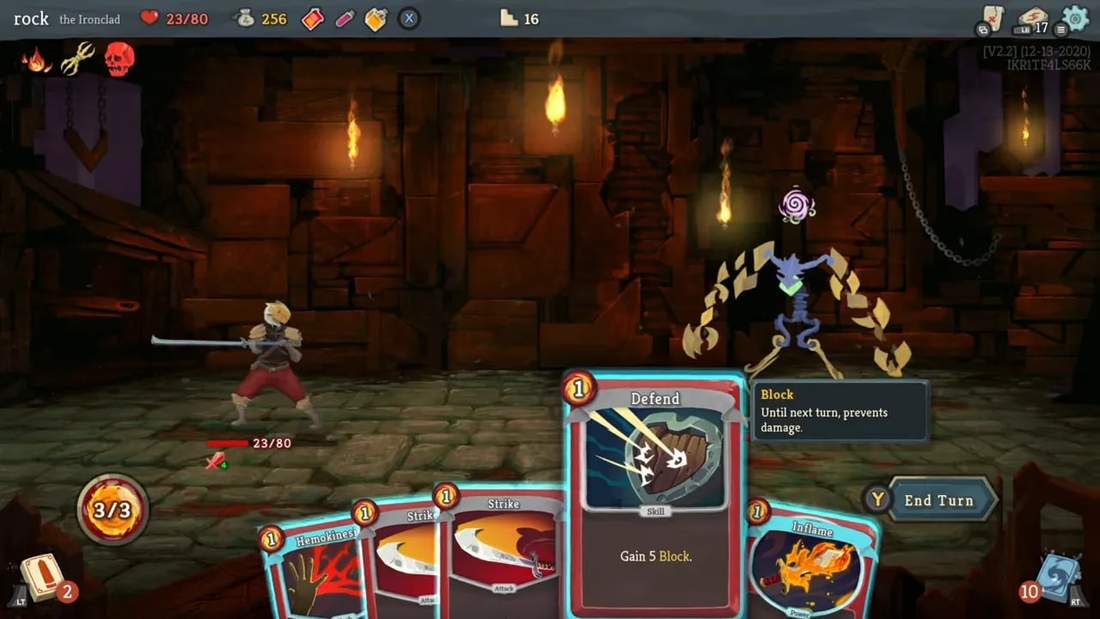
That variety is what makes the trend exciting. Turn-based design is not one narrow category or a relic that only works when attached to an old franchise.
It also pairs beautifully with the handheld comeback. On Steam Deck, Nintendo Switch or a phone, these games can fit around a busy day without demanding constant reflexes.
I like a frantic action game as much as anybody, but sometimes having time to consider the next move is exactly what I want.
2. Star Wars Games Have Variety Again
The 1990s felt like a golden age for Star Wars games partly because there were so many different kinds. Some were brilliant, some were strange and some were not especially good. But there was a sense that the universe could support almost anything.
The more recent run has recovered some of that variety. The Star Wars Jedi games offer substantial action adventures. Star Wars: Squadrons, which I still think is underrated, serves a very different fantasy. Zero Company brings tactical play into the picture, while Galactic Racer explores racing.
That is more interesting to me than repeatedly putting the same familiar characters into the same kind of game.
There is also value in games improving after release. I had issues with Star Wars Outlaws, but its updates have helped people find more to enjoy. Battlefront II’s turnaround after its disastrous microtransaction controversy is another example.
Whatever I might think about individual films or television series, I am glad the games have been providing a fairly consistent run of worthwhile Star Wars experiences across multiple genres.
1. Modding Is Reaching More People
Modding has always been one of the best things about gaming. The old Doom and Quake communities showed just how creative, strange and ambitious fans could be when they had room to experiment.
What feels different now is how much more mainstream that activity has become. More games offer some form of console mod support, allowing people outside the traditional PC audience to take part.
Development tools are also becoming more approachable. Unreal Engine 5 and other creation tools help more people try their hand at building, tweaking and changing things, although support still depends on the individual game.
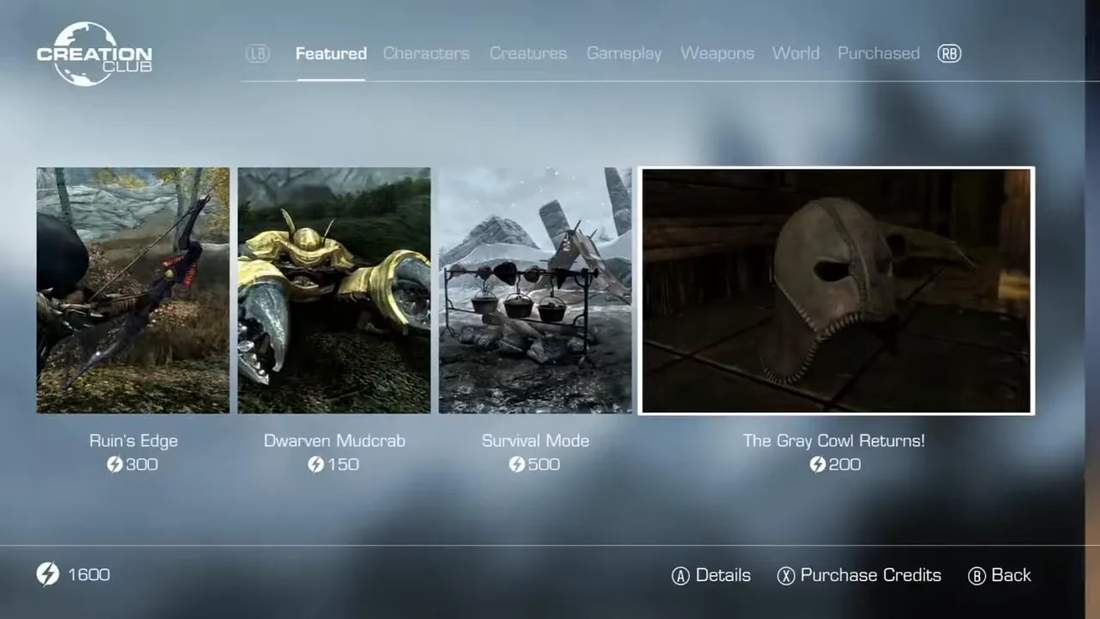
The results can range from fixes and visual updates to changes that transform how a favourite game feels. Communities gathered around places such as Nexus Mods make that creativity easier to discover.
I love the relationship at the heart of it. Somebody cares enough about a game to improve it, repair something or try a completely ridiculous idea. Other players then get to enjoy the result.
A game’s possibilities do not have to end with its official release. Seeing more people participate in that process is a brilliant thing.
The Best Comebacks Give Me More Choice
The common thread here is not simply that old things are good. I do not want gaming frozen in the era I happen to remember most fondly.
What I like is having more ways to play. A focused linear adventure alongside an enormous open world. A proper expansion alongside something completely new. Online multiplayer when that suits me, and couch co-op when somebody is sitting beside me.
None of this erases the industry’s problems. But those problems do not erase the good games, clever ideas and passionate communities either. Sometimes it is worth taking the small wins seriously. And right now, there are quite a few worth celebrating.